The “Ecosystem” Leader
About Us
Vision, Mission, and Core Values
The “Ecosystem” Leader
Vision: To become the global benchmark for integrated sustainable agriculture, transforming Vietnam’s fertile landscapes into the world’s most trusted “soil-to-shelf” ecosystem.
Mission: To operate a vertically integrated value chain—combining elite Japanese inputs, precision farming, and world-class certification—to deliver premium, 100% traceable produce that exceeds the safety and quality standards of the global market.
Core Values
Integrity of the Chain: We believe quality is only as strong as its weakest link. We control every step to ensure total transparency.
Biological Precision: We use science and organic-standard inputs to work with nature, not against it.
Global Compliance: We don’t just meet standards; we set them. Our “Passport to the World” is our commitment to USDA, EU, and GlobalG.A.P. excellence.
Shared Prosperity: We grow alongside our farmers, our investors, and our international retail partners.
CEO Message
The Vision: Architecting a Future of Agricultural Certainty
“Agriculture is the oldest industry in the world, yet it faces the most modern of challenges. In an era of global volatility and heightened food safety demands, the traditional model of ‘buying and selling’ is no longer enough. To succeed on the world stage, we must move beyond the transaction and embrace the Ecosystem.”
When I founded Flora Global, my vision was to bridge a specific gap that had long held back the true potential of Vietnamese agriculture: the gap between the incredible fertility of our soil and the uncompromising safety standards of the global market.
For too long, supply chains have been fragmented—plagued by uncertainty in inputs, lack of certification, and inconsistent quality. We built Flora Global to be the Single Point of Accountability. By vertically integrating our Japanese-standard organic inputs, our own 25-hectare Honey No. 9 farming network, and our in-house global certification stewardship, we have removed the ‘unknowns’ from the equation.
We are not just a farming company; we are an Integrated Supply Chain Architect.
Our commitment to the Honey No. 9 variety is a testament to this precision. We don’t just grow passion fruit; we engineer a sensory experience that meets the 17–19% Brix levels demanded by the most discerning palates in Singapore, Japan, and the EU. This is only possible because we control the soil health, we manage the biological protocols, and we lead the audit.
To our global partners, Flora Global represents Trust. We are your eyes and ears on the ground in Vietnam. We offer you the sovereignty of our local network and the sophistication of our global compliance.
As we continue to expand our ecosystem—from the deltas of Kien Giang to the highlands of Duc Trong—we remain focused on one core belief: that when you control the integrity of the chain, you guarantee the excellence of the harvest.
I invite you to grow with us. Together, we are not just exporting fruit; we are elevating an industry.
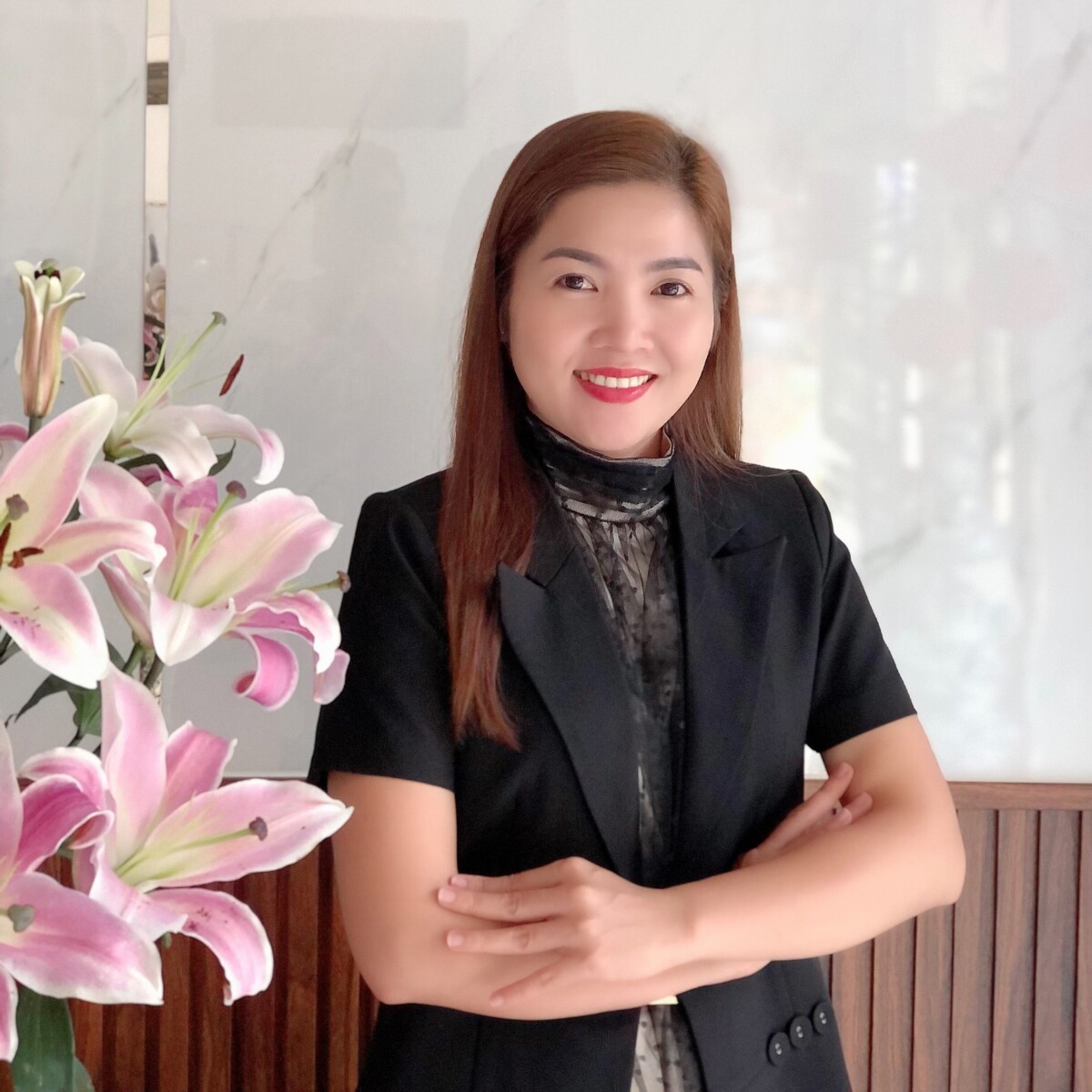
Ms Flora Le Thi Thuy Hoa
Chief Executive Officer, Flora Global


