
Blog
Knowledge

Exporting is more than just selling: building long-term trust with partners
For Flora Global, an export contract is the starting point of a relationship, not the ending point of a transaction. The article shares how the company approaches relationships with international buyers.
Read more →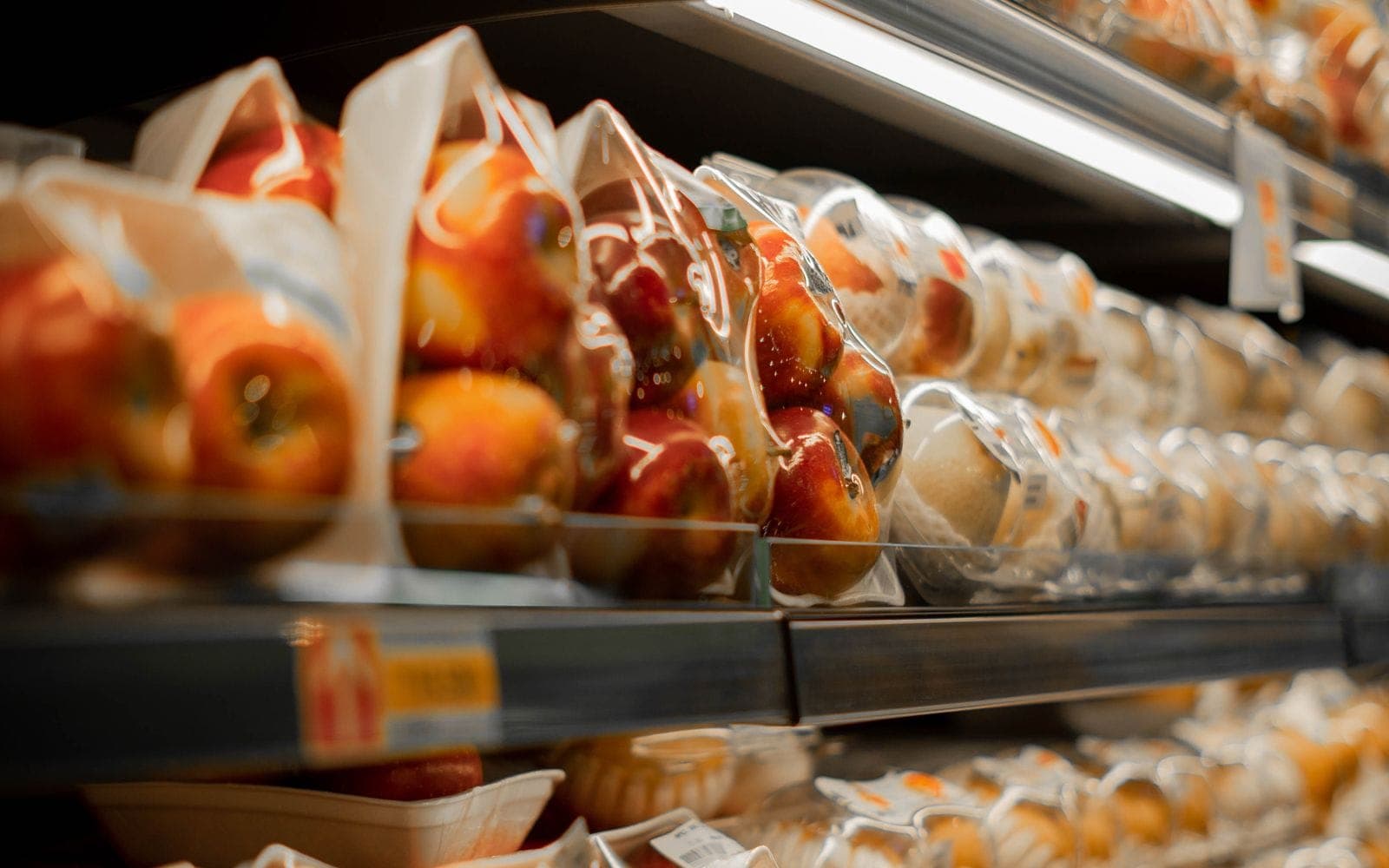
Supply chain transparency: ecolabels, carbon footprints and new buyer expectations
Buyers in many markets increasingly demand information beyond organic certification: carbon footprint, labor conditions, packaging. The article reviews new requirements, associated with EU regulations on anti-deforestation and the border carbon adjustment mechanism.
Read more →
Traceability in the supply chain of organic agricultural exports
Traceability is the ability to trace a product back to the plot of land and the time of harvest. The article presents the components of a reliable retrieval system.
Read more →
Duy trì chứng nhận hữu cơ: đánh giá định kỳ và những lỗi thường gặp
Đạt chứng nhận đã khó, giữ được còn đòi hỏi kỷ luật liên tục. Bài viết điểm lại các lỗi hồ sơ và lỗi hiện trường phổ biến trong đánh giá giám sát hằng năm, phân loại mức độ và cách phòng ngừa.
Read more →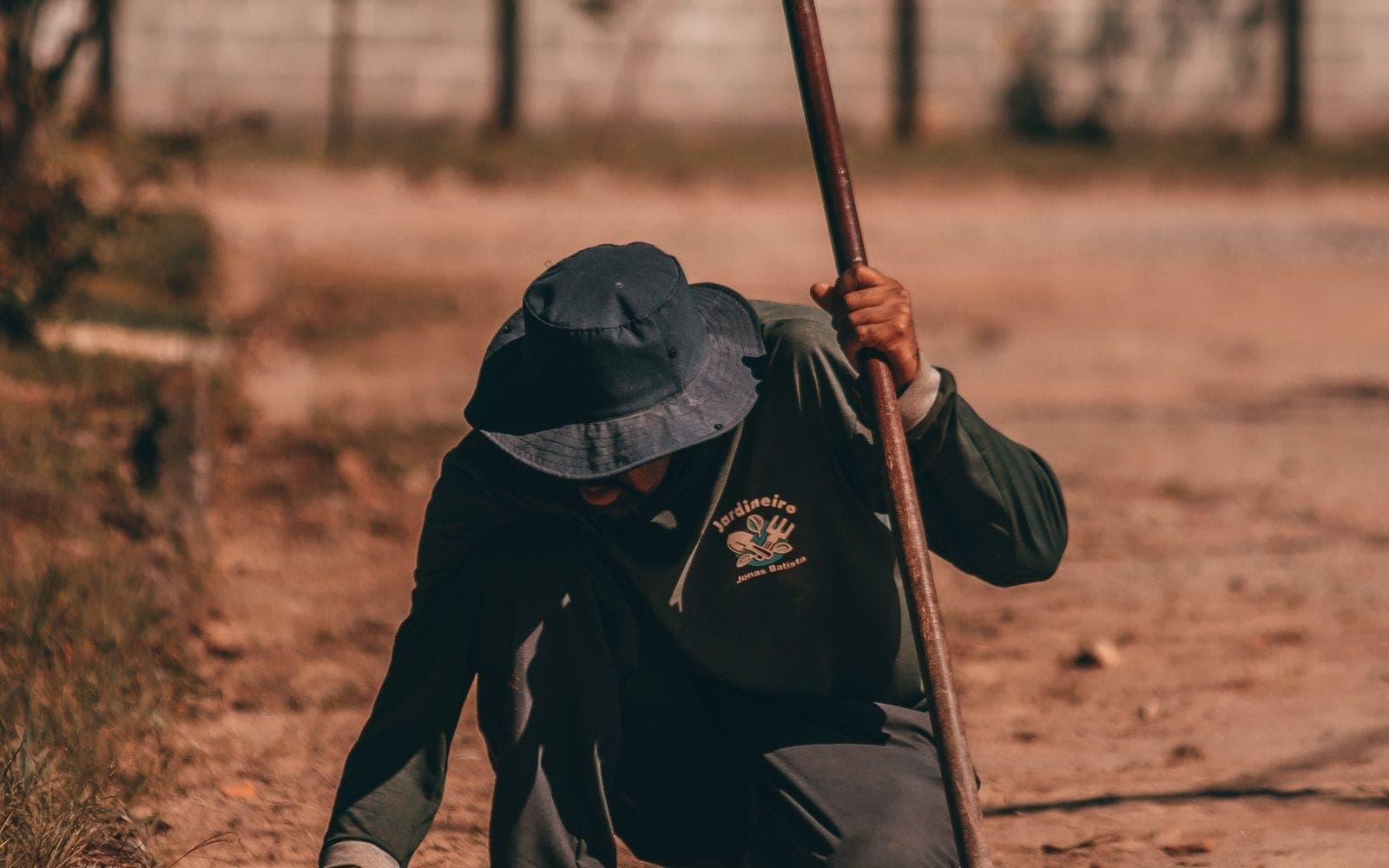
Control weeds in organic farming without using herbicides
Weeds are one of the biggest challenges when going organic. This article summarizes mechanical, ecological and management measures to keep weeds at acceptable levels.
Read more →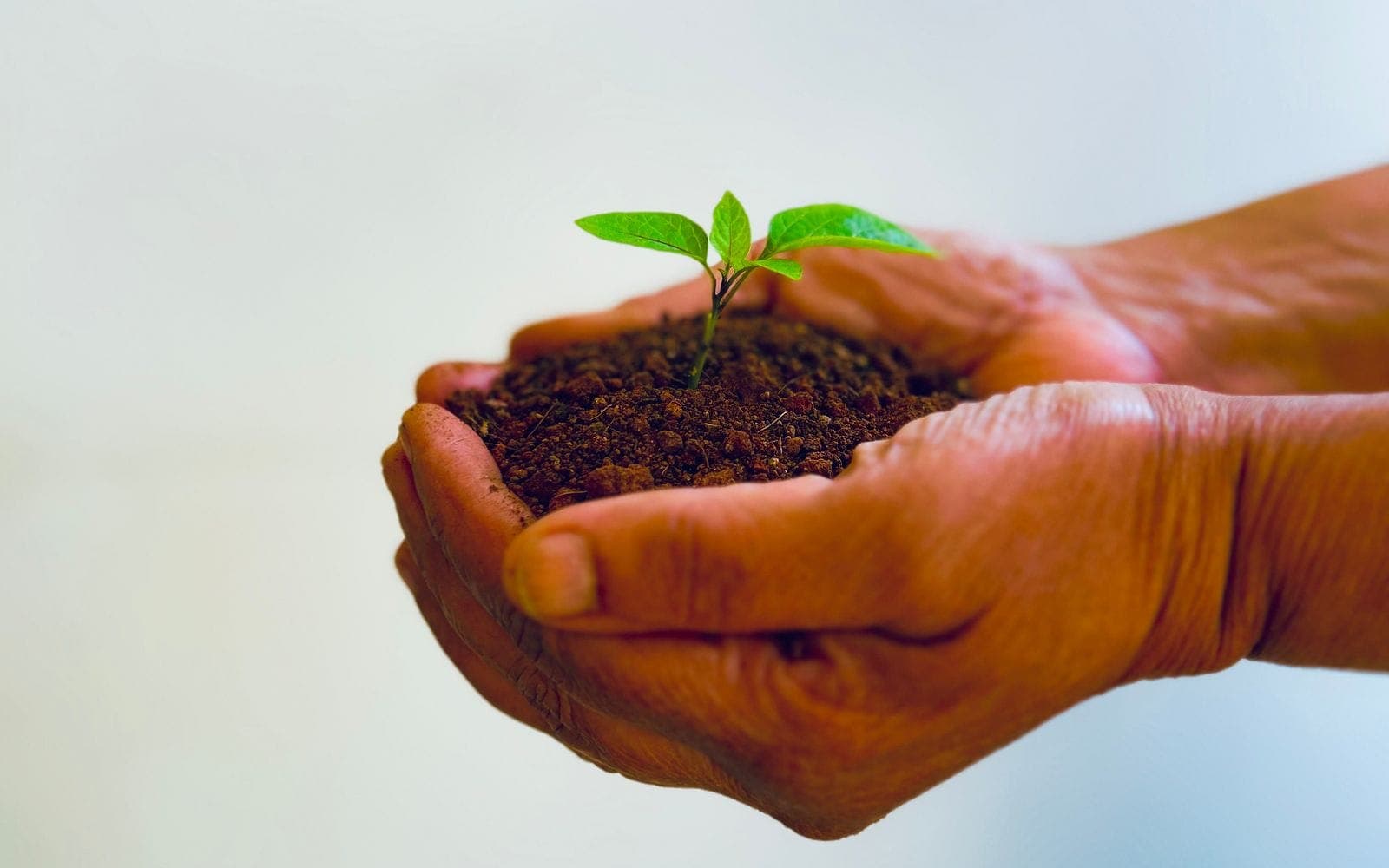
Patience in organic agriculture: why a transition period is necessary
The multi-year transition period is often seen as a barrier. The article argues that it is essentially the time needed for the farming system to function properly.
Read more →
Costs and pricing in organic production: understand correctly to avoid losses
Higher organic selling prices do not automatically mean higher profits. The article analyzes the specific cost structure, how to calculate costs from the source, and why the value/hectare target in Project 885 is important.
Read more →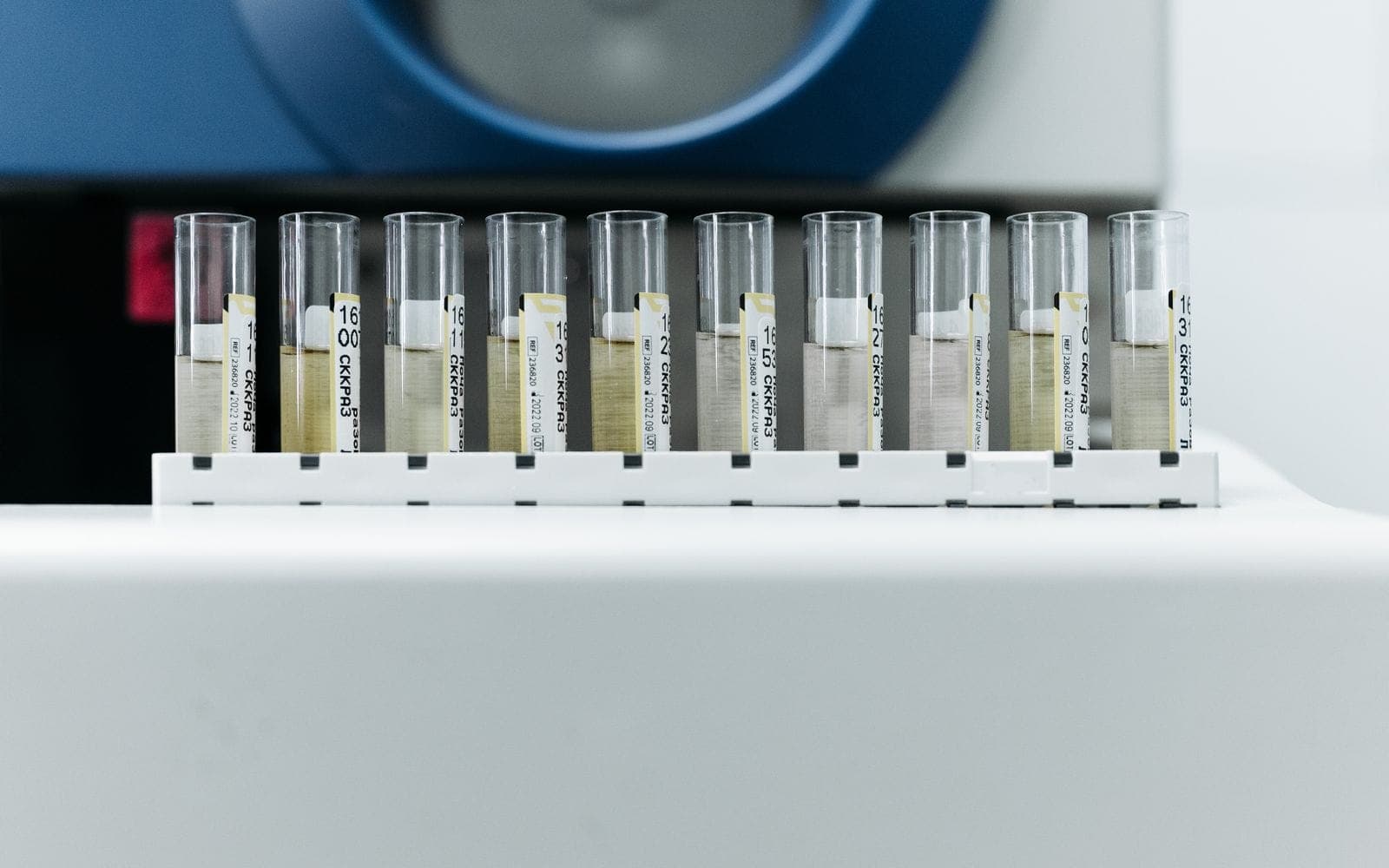
Residue management and testing before exporting organic agricultural products
Residue testing is a verification tool, not the sole proof of organicity. This article explains the role of testing and how to develop a reasonable sampling plan.
Read more →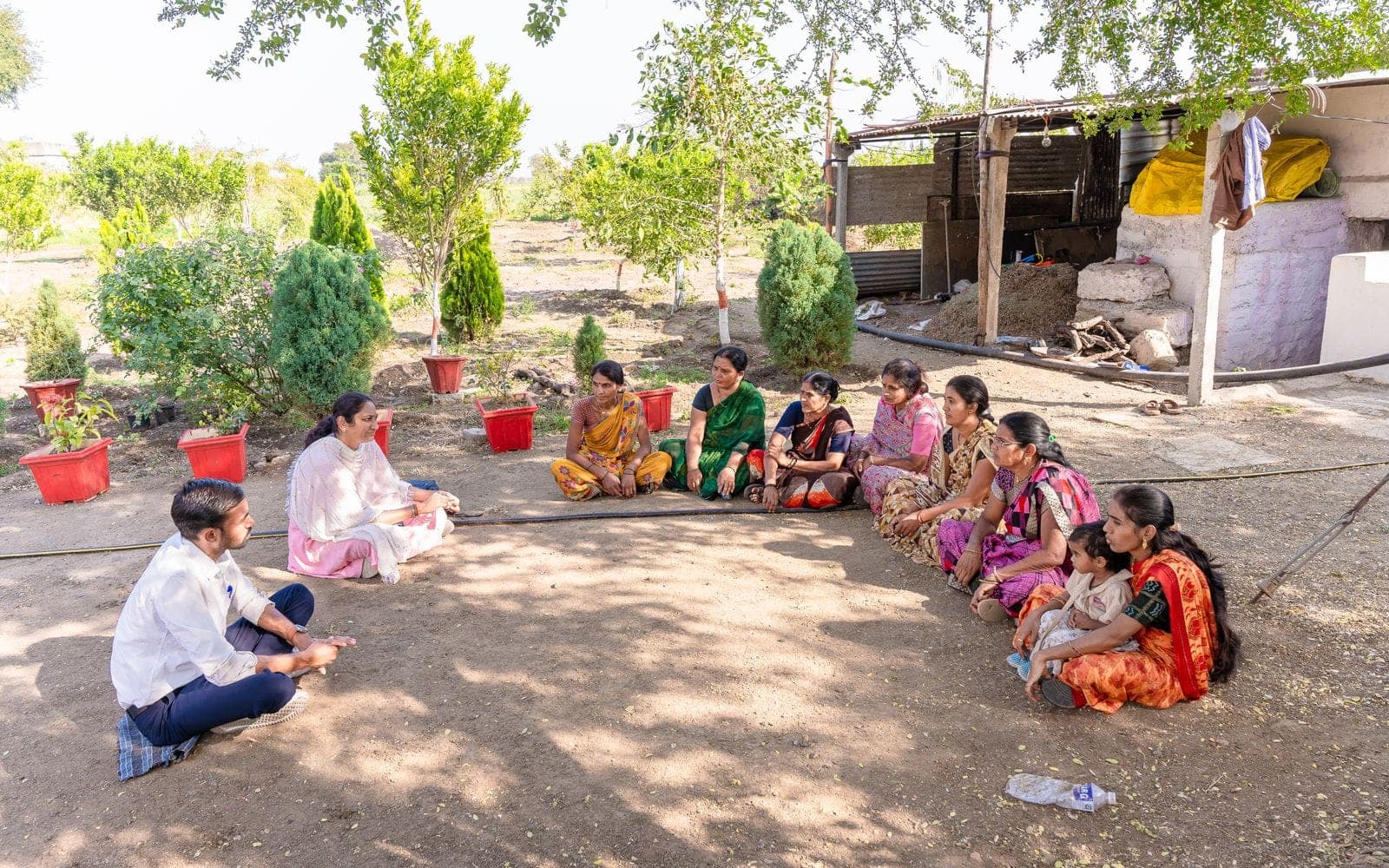
Group certification for smallholder farmers and internal control systems
Individual certification is often too expensive for small farmers. The article explains the group certification mechanism and internal control system (ICS), comparing it with the PGS model encouraged by Decree 109/2018/ND-CP.
Read more →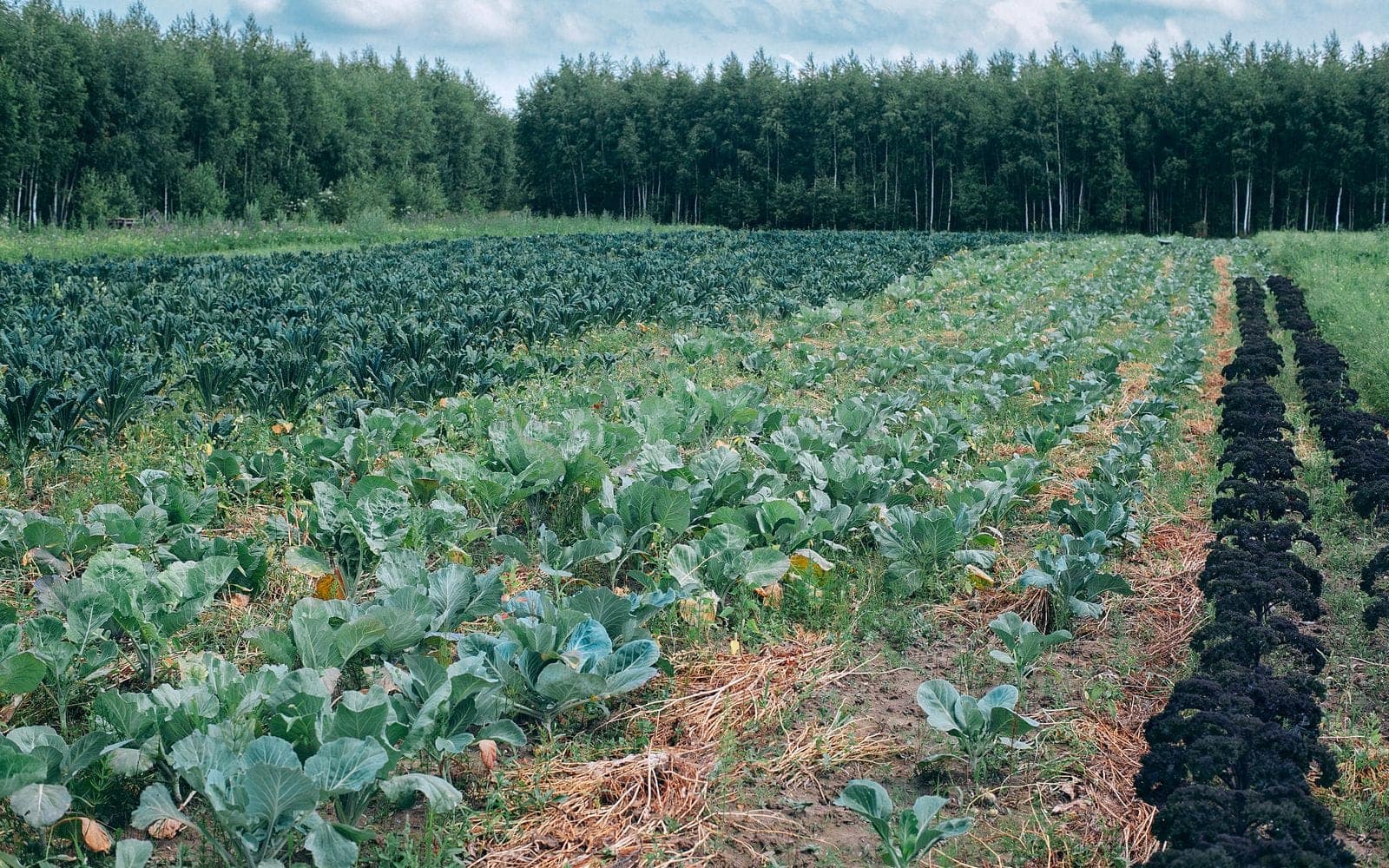
Crop rotation and cover crops: two foundational tools of organic systems
Proper crop rotation and cover crops help manage nutrients, cut pest life cycles and protect soil. This article explains how to design a crop rotation cycle for an organic farm.
Read more →
Quality starts from the soil: Flora Global's production philosophy
Flora Global views agricultural product quality as the result of a series of decisions starting with the soil. The article outlines how this philosophy shapes the company's priorities.
Read more →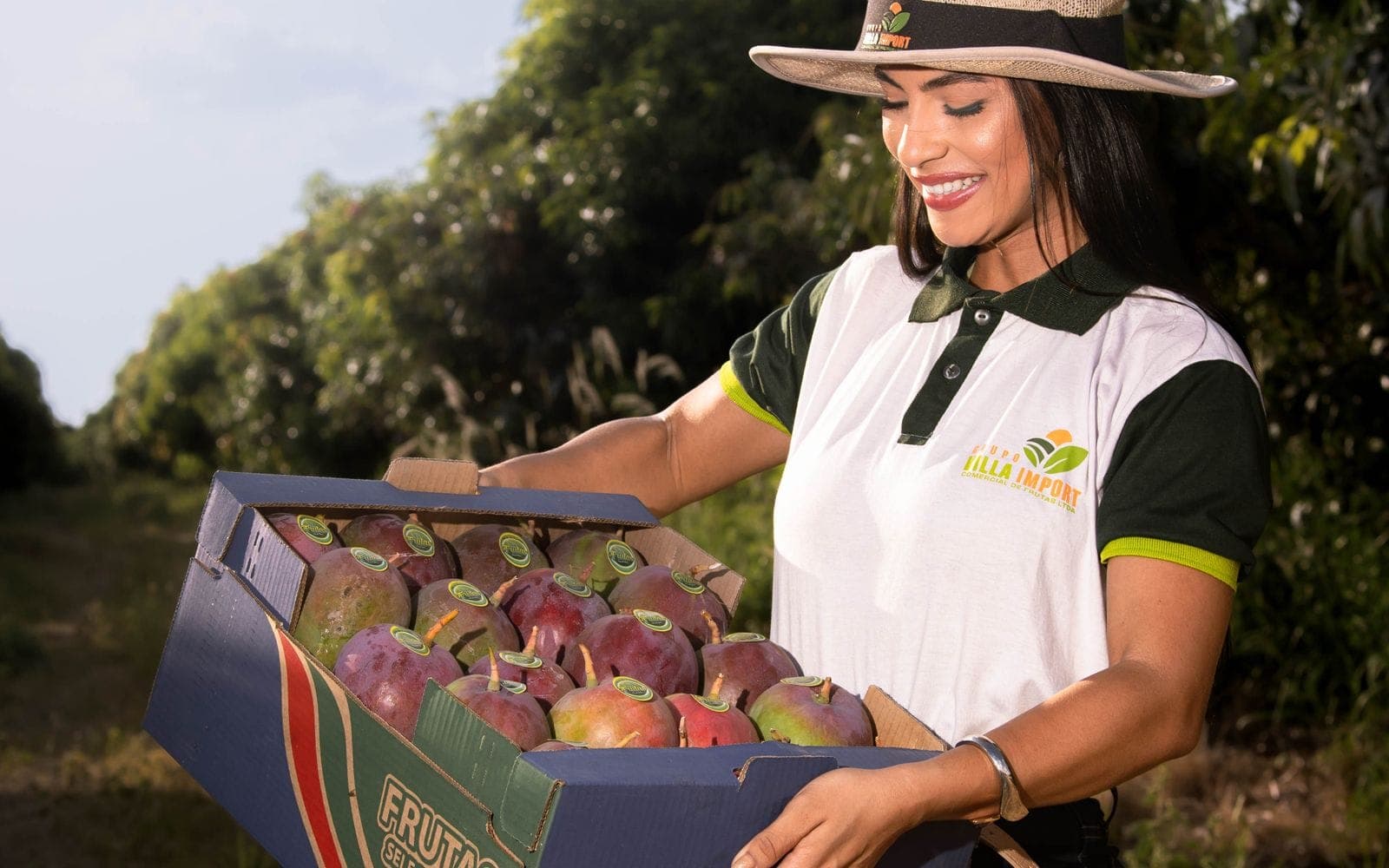
Cơ hội cho nông sản nhiệt đới hữu cơ của Việt Nam trên thị trường thế giới
Khí hậu và cơ cấu cây trồng tạo cho Việt Nam lợi thế trong phân khúc nông sản nhiệt đới hữu cơ. Bài viết phân tích cơ hội, đối chiếu với mục tiêu cây trồng của Đề án 885, và các điều kiện để biến lợi thế thành đơn hàng.
Read more →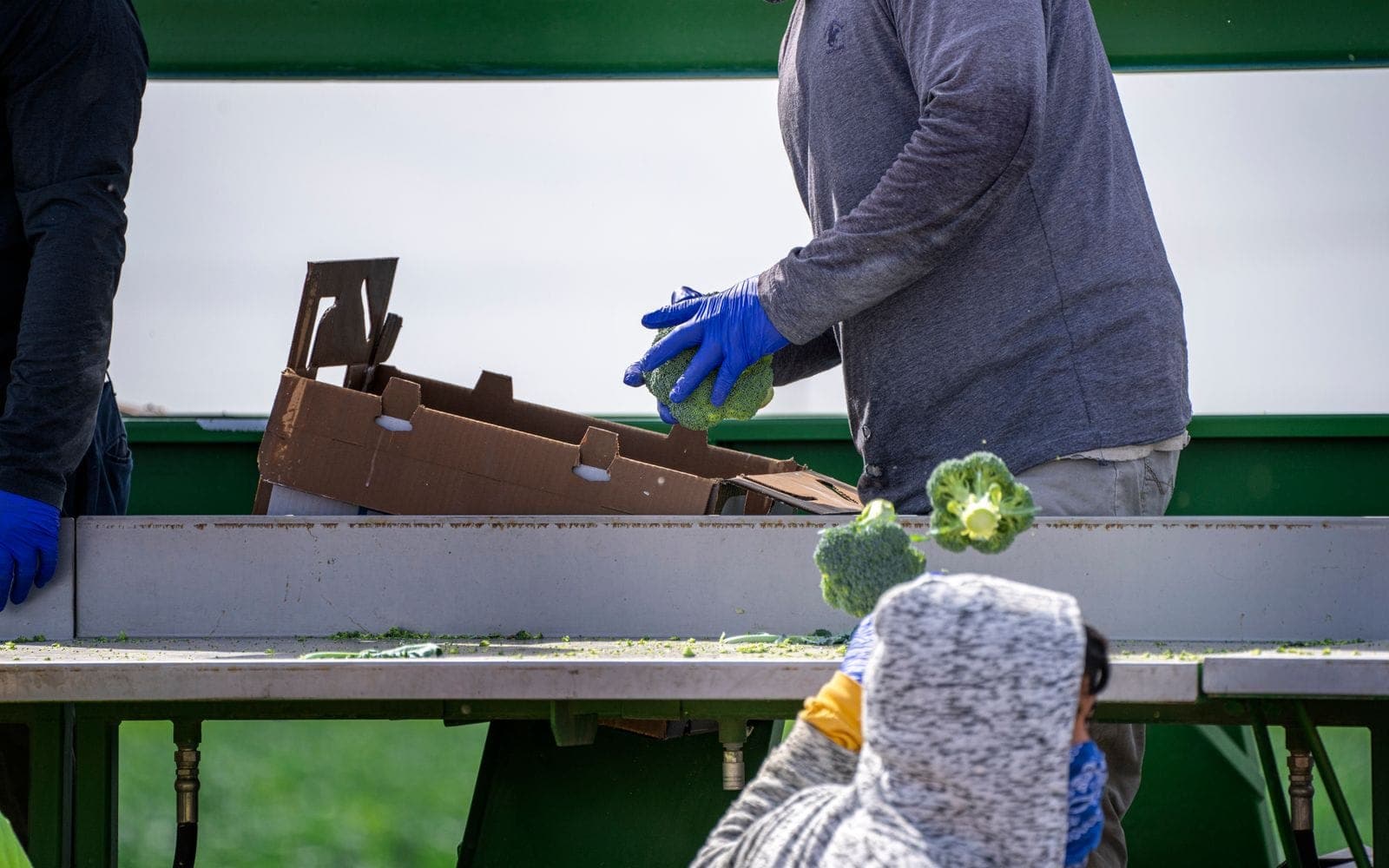
Packaging and labeling organic agricultural products for EU, US and Japanese markets
Packaging and labels not only protect and identify products, but also must comply with each market's specific regulations. This article outlines the points that exporters need to check.
Read more →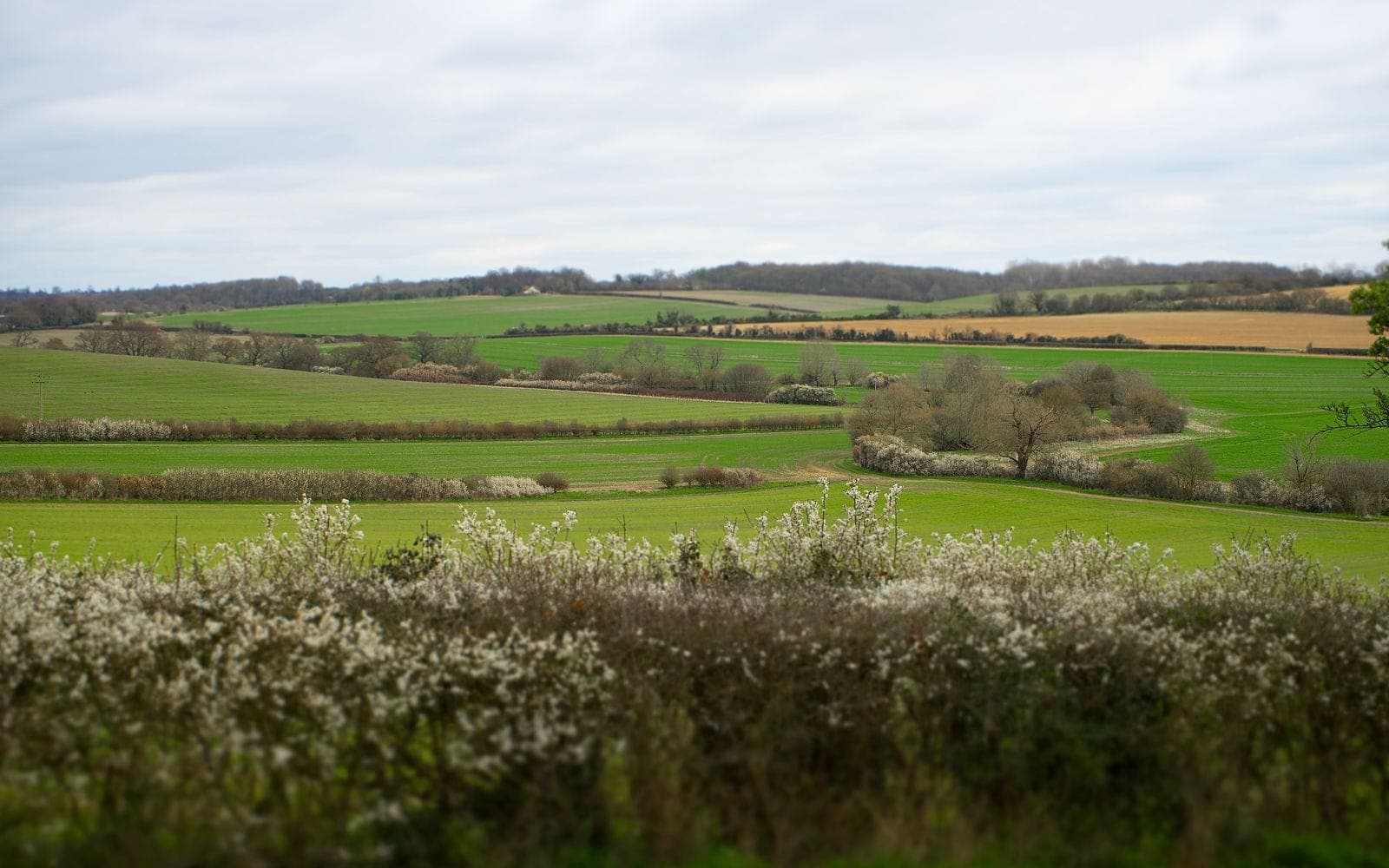
Buffer zones, cross-contamination and risk control on organic farms
A properly cultivated farm can still be contaminated with prohibited materials from outside. This article classifies sources of cross-contamination, how to set up buffer zones according to risk level, and treatment procedures when contamination is suspected.
Read more →
Organic fertilizers: classification, composting and principles of use
Manure, green manure, compost and other organic products have different roles. This article guides how to distinguish and use correctly to avoid risks to the tree and for certification.
Read more →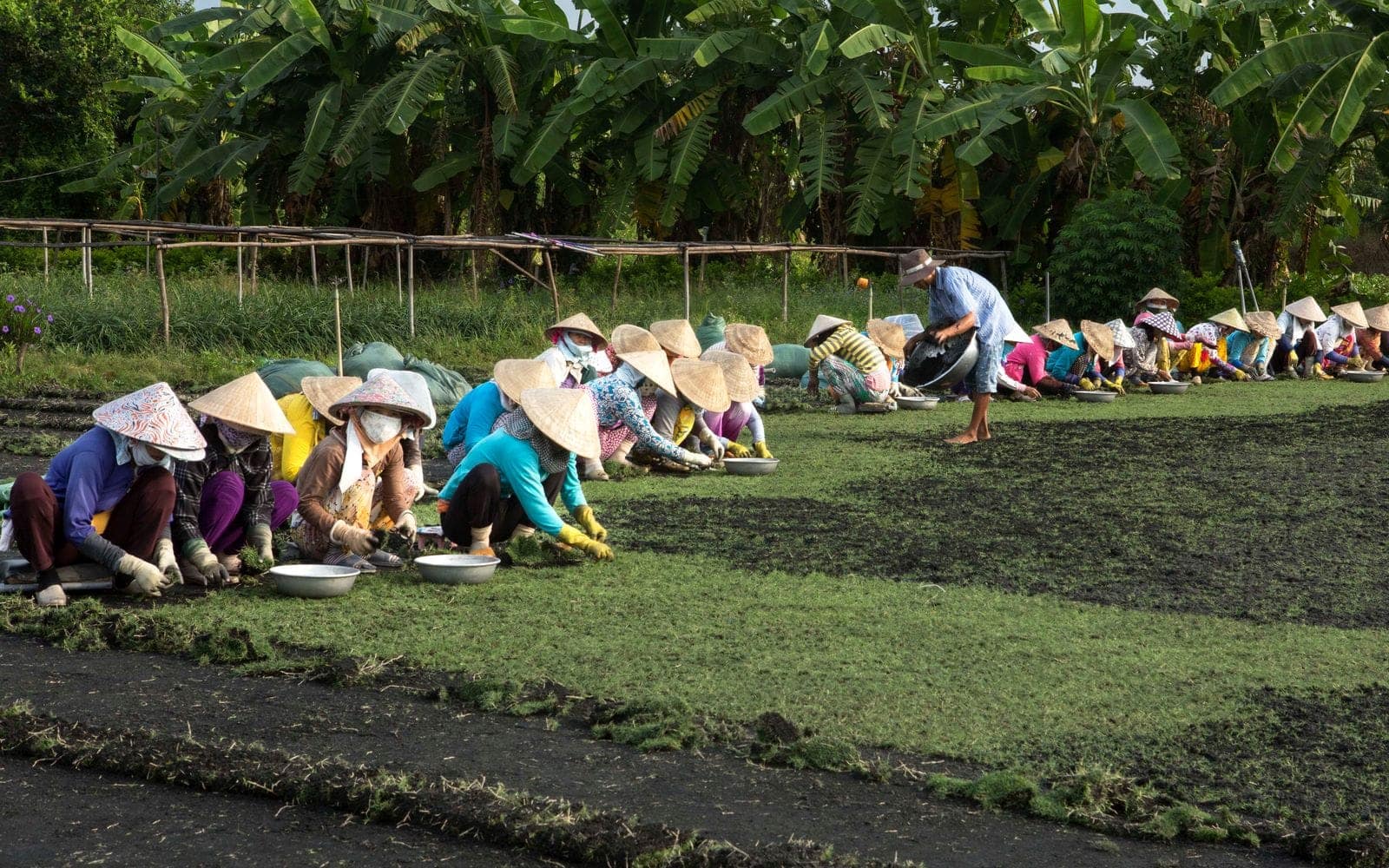
Accompanying farmers: Flora Global's cooperation model
The quality and stability of exported organic agricultural products depends on the capacity of hundreds of farming households. The article shares how Flora Global organizes cooperative relationships with producers.
Read more →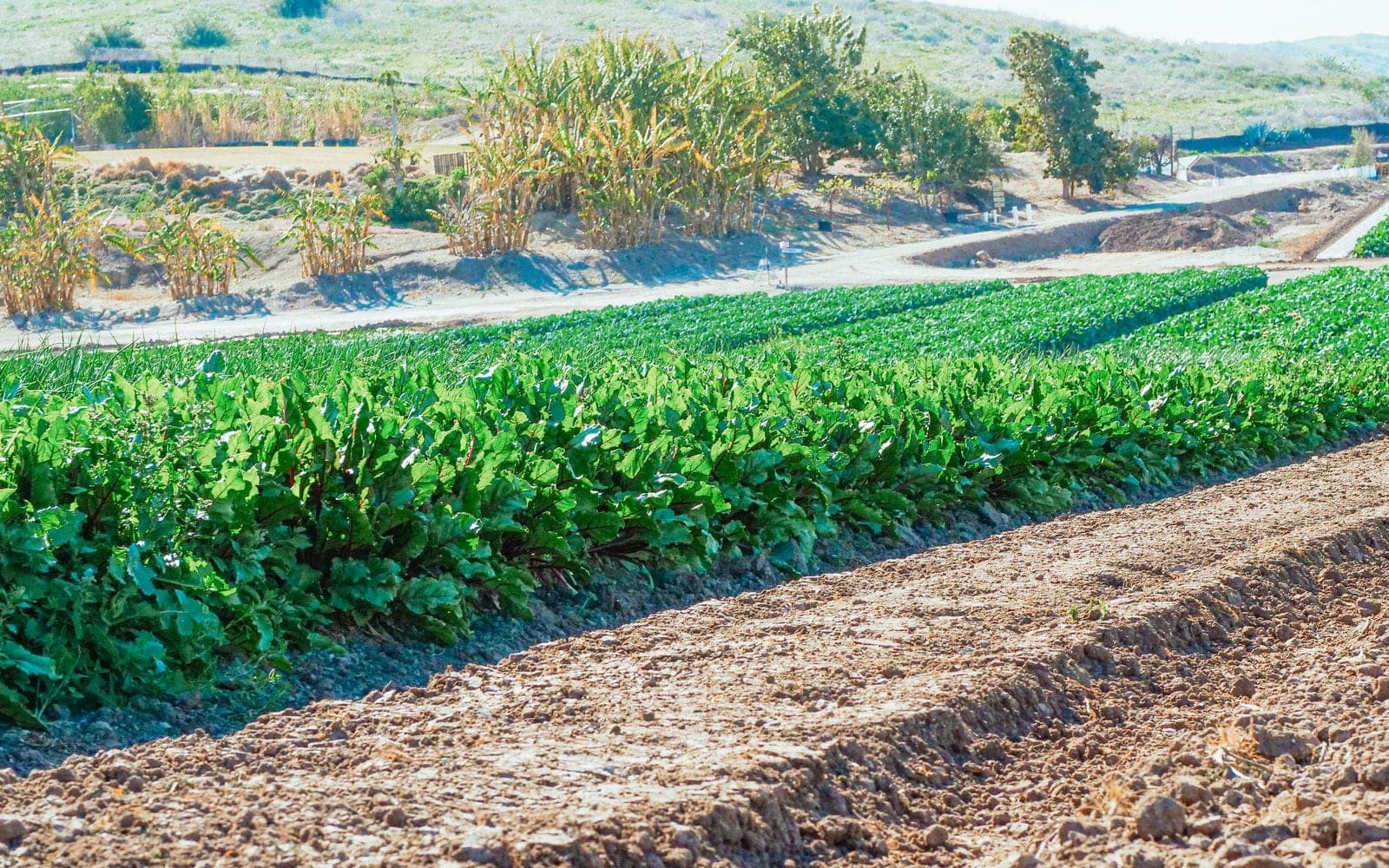
Regenerative agriculture and its relationship to organic farming
Nông nghiệp tái tạo đang được nhắc đến nhiều trong cam kết của các tập đoàn thực phẩm. The article clarifies the concept, intersections and differences with certified organic farming, and relates it to Vietnam's circular agriculture orientation.
Read more →
Documents in exporting organic agricultural products: core documents
An exported organic shipment comes with many different types of documents. This article explains the role of each and why consistency between them is important.
Read more →
Nhật ký đồng ruộng và hồ sơ truy xuất: nền tảng của mọi cuộc đánh giá
Đánh giá viên chỉ có mặt tại trang trại một, hai ngày mỗi năm — phần còn lại được chứng minh bằng hồ sơ. Bài viết liệt kê các loại hồ sơ bắt buộc, cách làm phép cân đối khối lượng, và kết nối với hệ thống truy xuất nguồn gốc quốc gia.
Read more →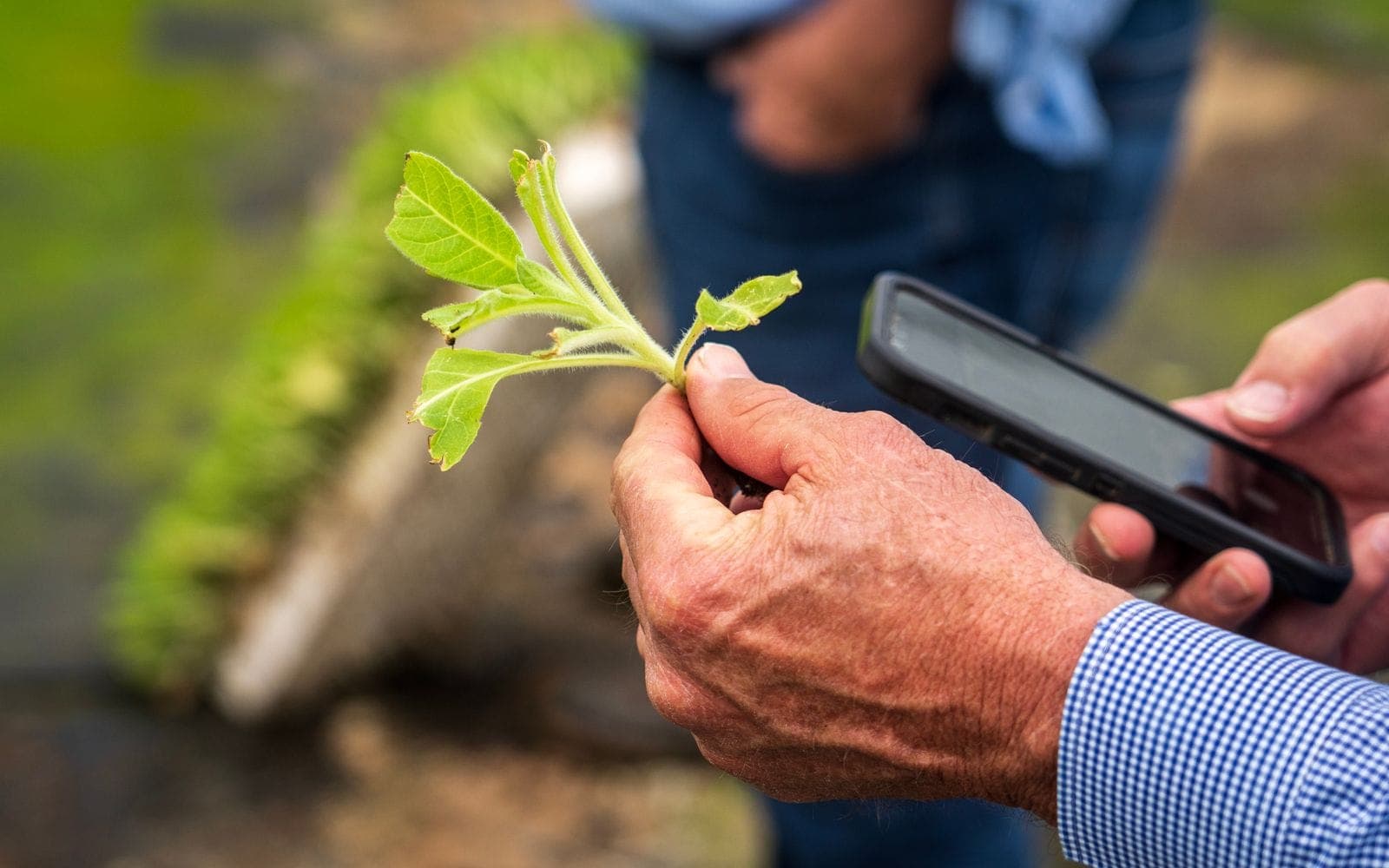
Pest management in organic farming without synthetic chemicals
Not using synthetic pesticides does not mean giving up on pests. The article presents the multi-layered prevention approach that organic farming takes.
Read more →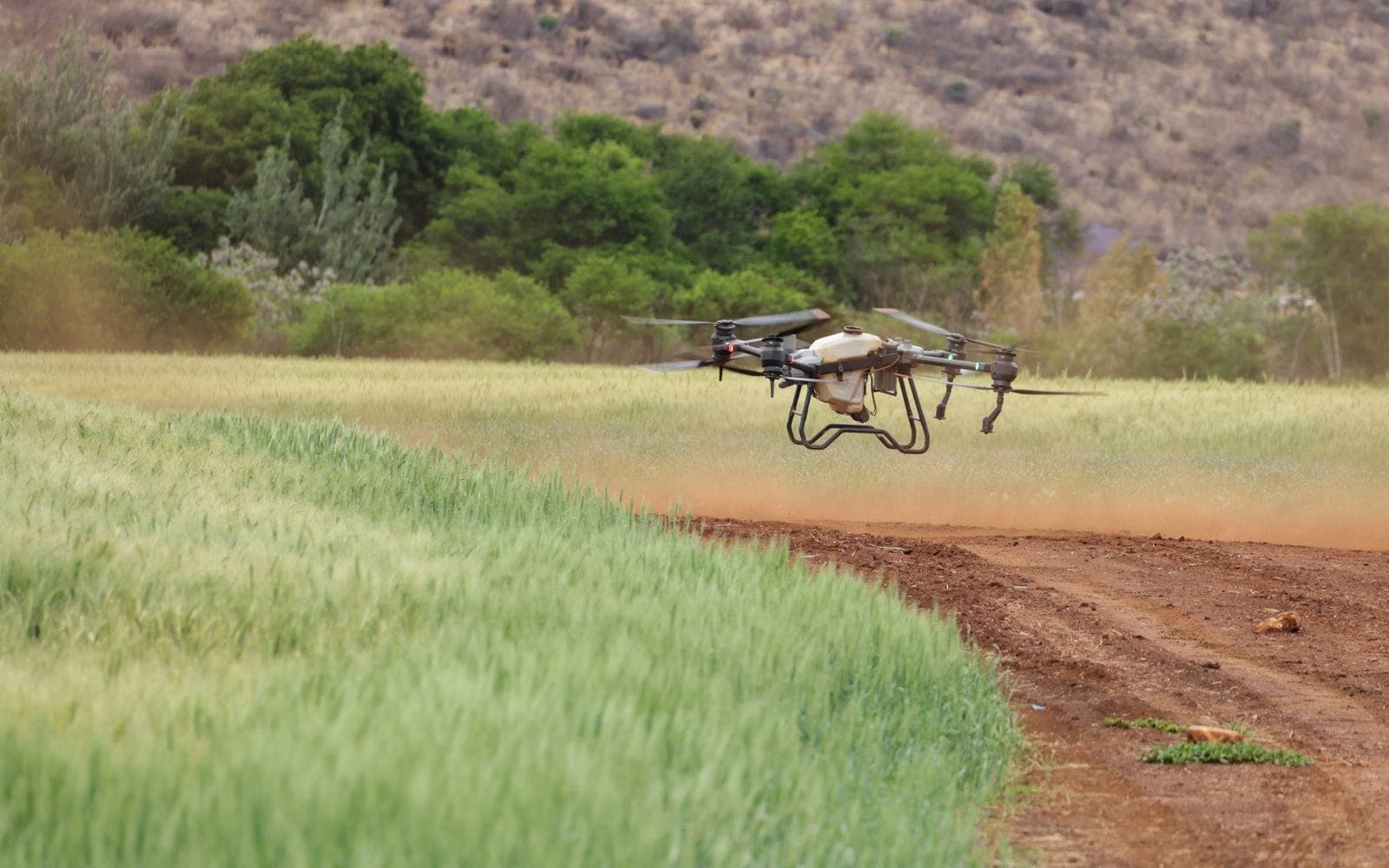
Precision farming and the "Honey No. 9" legacy: data-driven farming
Precision farming is not in conflict with organic farming. The article shares how Flora Global incorporates systematic observations and field data into the production process.
Read more →
How is "organic" different from "clean", "safe" and "natural"
"Organic", "clean", "safe", "natural" have very different levels of constraints. The article compares four concepts with the Vietnamese legal framework: Decree 109/2018/ND-CP, VietGAP (TCVN 11892-1:2017) and the Law on Food Safety.
Read more →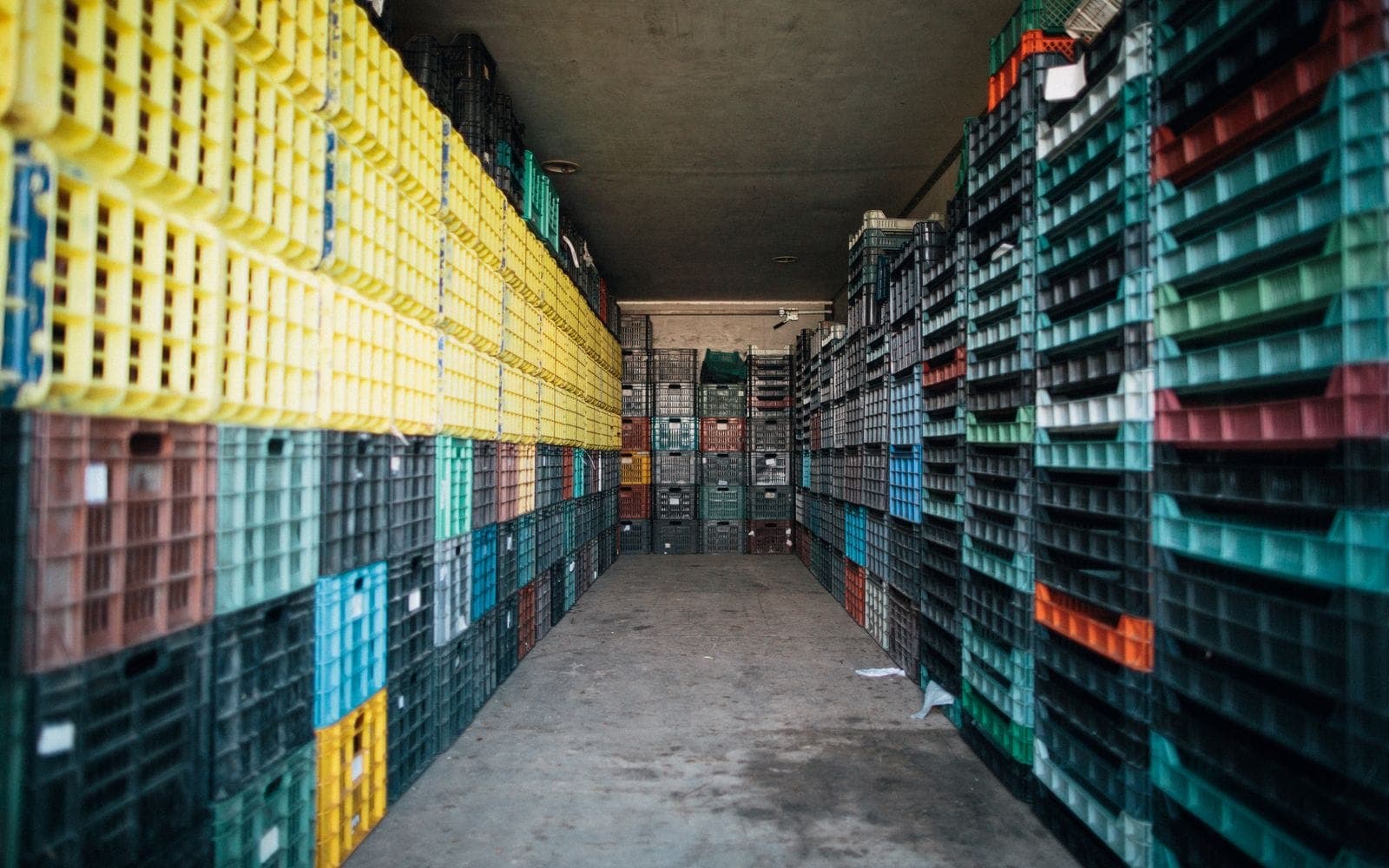
Separate organic and conventional product lines in warehouse and transportation
Organic integrity doesn't stop at the farm gate. This article describes measures to keep organic shipments from being mixed or contaminated during storage and logistics.
Read more →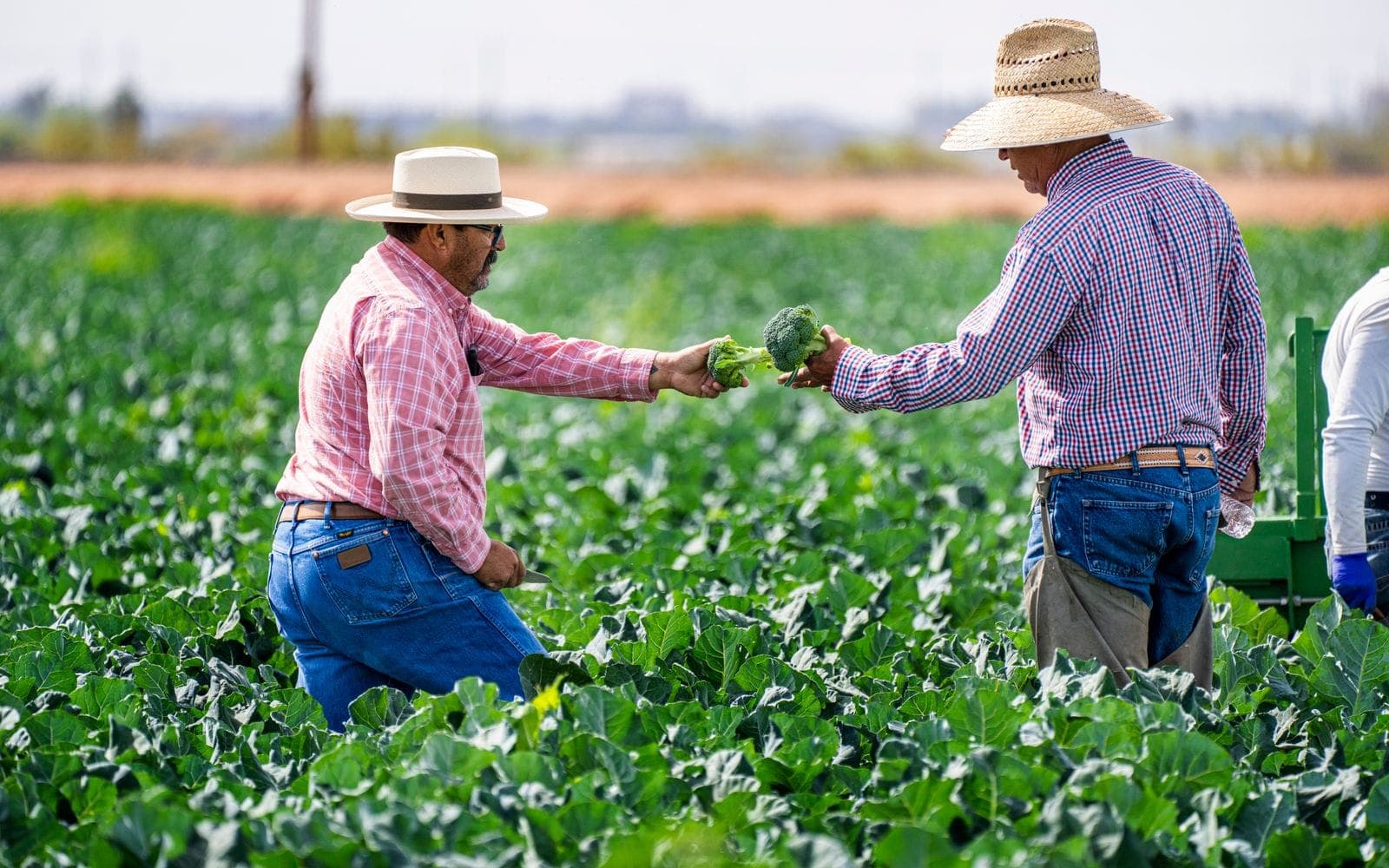
The process of achieving organic certification: from registration to the first audit
Organic certification is a standardized process. The article describes each step from choosing a certification organization to the first on-site assessment, comparing it with TCVN 12134:2017 and Decree 109/2018/ND-CP.
Read more →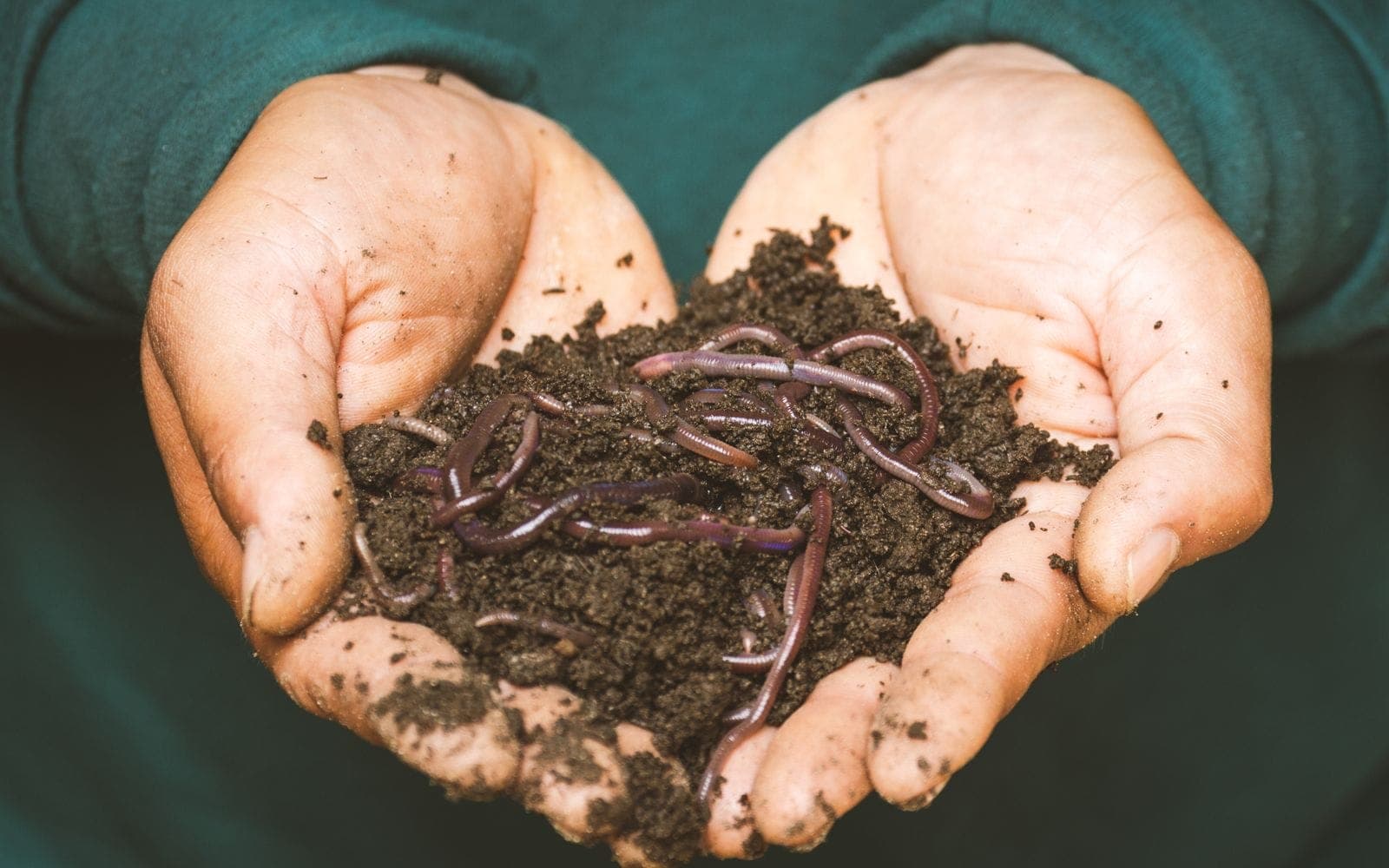
Soil health is fundamental: organic matter, microorganisms and natural fertility
In organic farming, soil is not just a support for plants but a living system that needs to be nurtured. The article explains the role of organic matter and the microbiome in long-term fertility.
Read more →
Why did Flora Global choose the Japanese agricultural materials platform?
Choosing input sources shapes the quality of the entire farming process. The article shares why Flora Global built a production platform on Japanese agricultural materials.
Read more →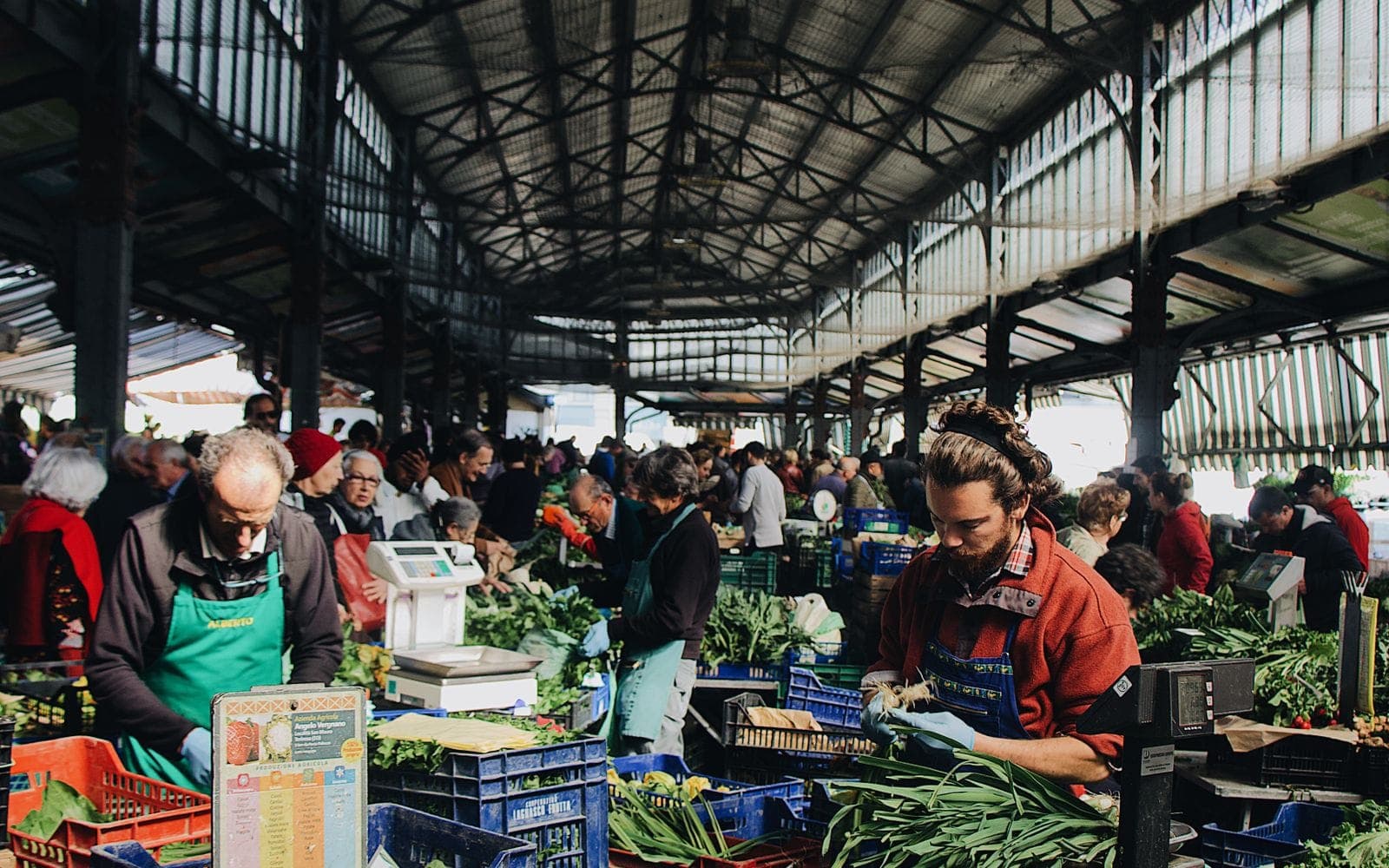
Global organic food demand: long-term drivers
Demand for organic food in many developed markets is driven by structural factors, not just trends. The article analyzes long-term dynamics with data from the FiBL–IFOAM report.
Read more →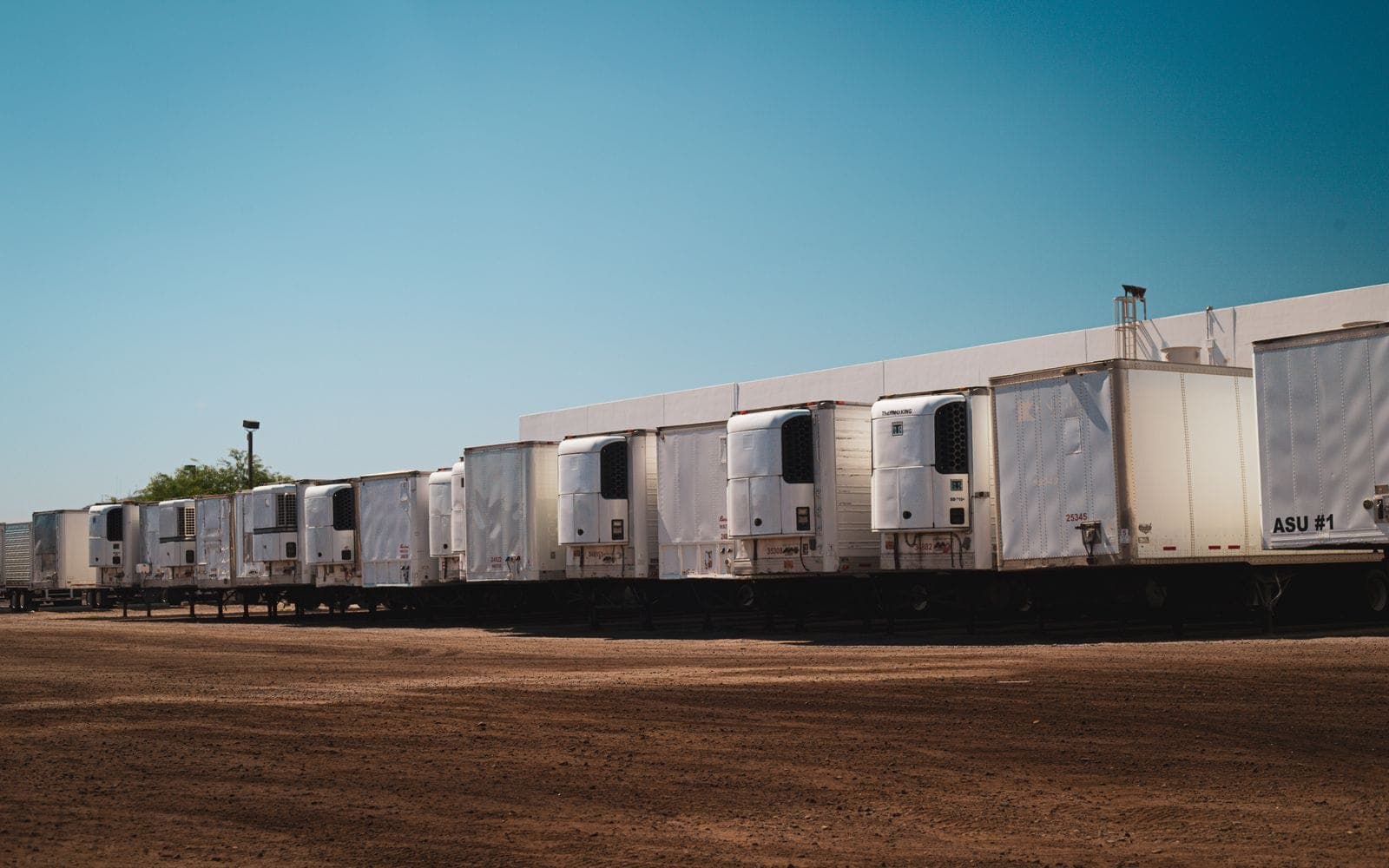
Cold chain for exported organic agricultural products: principles of temperature control
With many types of agricultural products, keeping the right temperature from the field to the destination determines the quality when the goods arrive at the port. This article presents the links in the export cold chain.
Read more →
Tổng quan các tiêu chuẩn hữu cơ quốc tế: USDA Organic, EU Organic và JAS
USDA Organic, EU Organic và JAS cùng dựa trên một triết lý nhưng khác nhau ở giai đoạn chuyển đổi, ghi nhãn và cơ chế thừa nhận. Bài viết so sánh ba khung này, đối chiếu với TCVN 11041 và Nghị định 109/2018/NĐ-CP của Việt Nam.
Read more →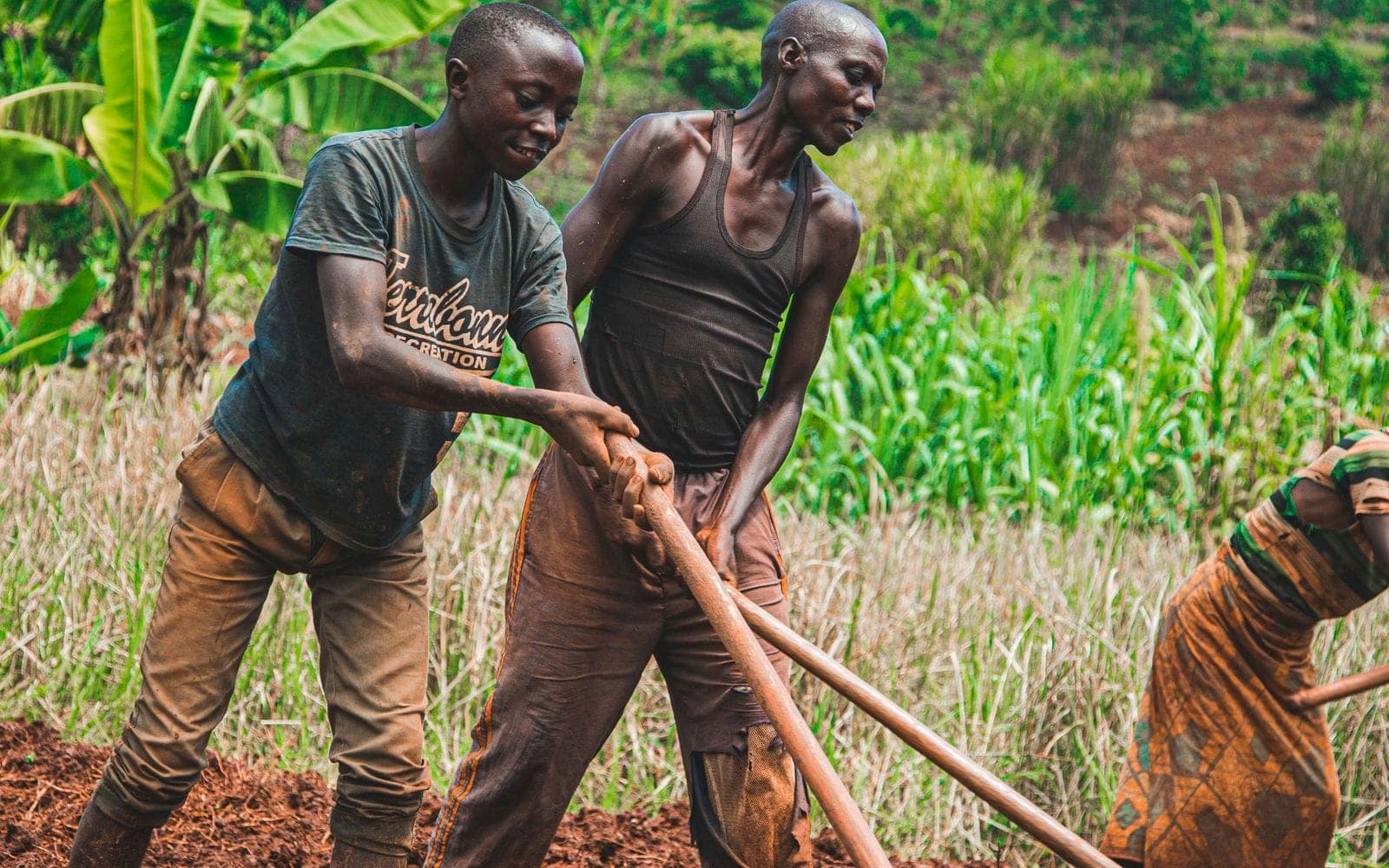
Transition to organic farming: roadmap for the first years
Switching from conventional to organic farming is a multi-year process, not a one-crop decision. This article outlines the steps and common difficulties encountered during the transition period.
Read more →
Vietnam promotes organic agriculture from the ISOP 2025 Conference
From November 3 - 6, 2025, Can Tho University will host the International conference on Organic Agriculture - Sustainable Production (ISOP 2025). With the message that organic agriculture is the key to realizing the goal of "prosperous farmers...
Read more →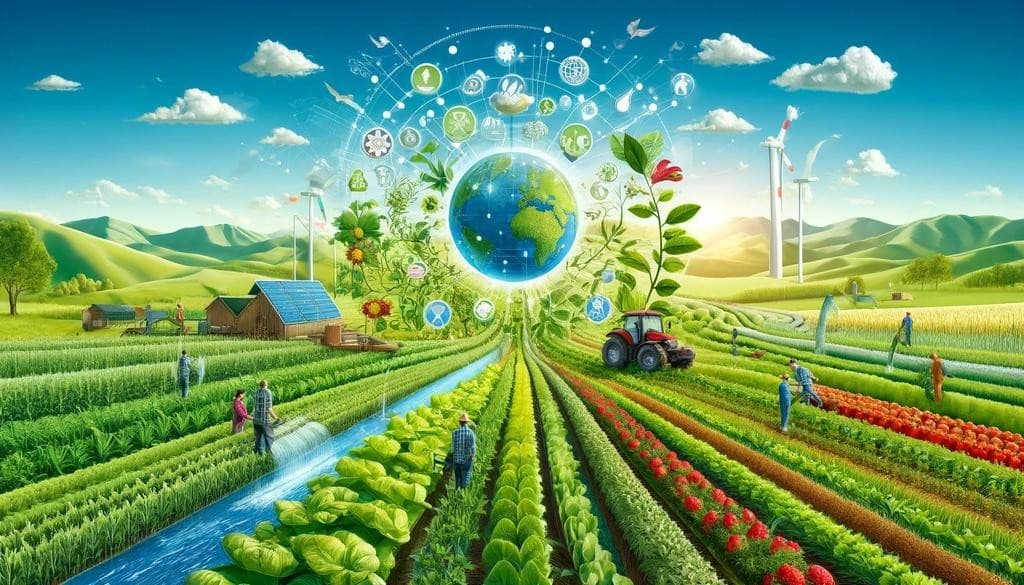
The global organic agricultural area reached nearly 99 million hectares
FiBL has just released the 2025 Global Organic Agriculture report with outstanding figures and important information, updating information and positive development trends of the global organic market. Vietnam, Sri Lanka…
Read more →
5 new agricultural trends in 2025
(The Breeder) – Sustainability is no longer just a trend but an essential requirement for the future of agriculture. In 2025, sustainable methods and technological innovation will create…
Read more →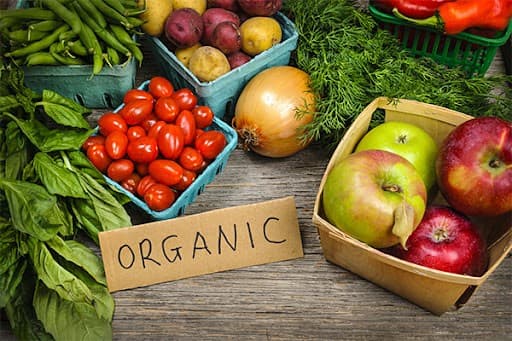
The global organic food market is growing strongly
The global organic food market is expected to grow strongly, reaching 568.82 billion USD by 2029 thanks to health-oriented consumer demand. However, the challenges of short shelf life and high costs still pose a lot of pressure...
Read more →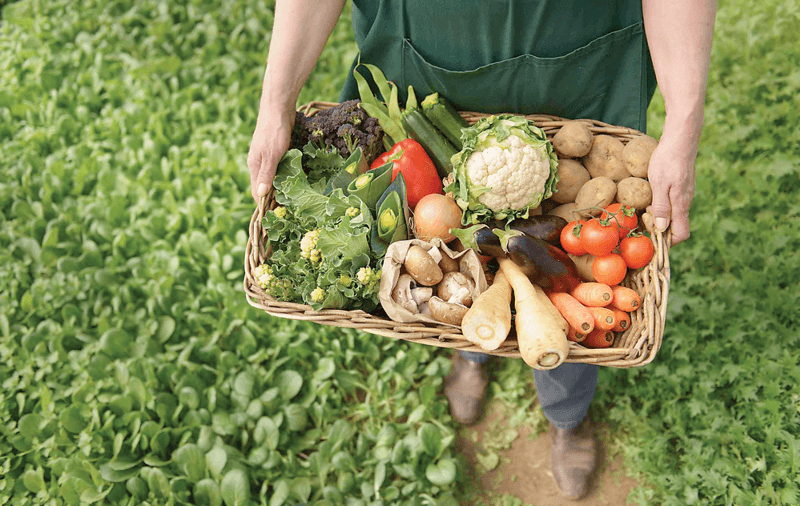
Keeping up with the organic trend: A sustainable direction for Vietnamese agriculture
Organic agriculture is becoming an inevitable trend not only in developed countries but also in Vietnam. With the increasing demand for clean and safe food, organic agriculture not only meets consumer needs but also...
Read more →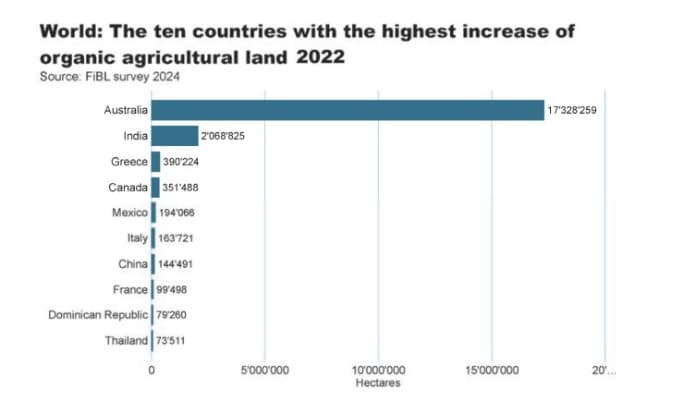
Statistics on the current status of organic agriculture in the world
FiBL Organic Agriculture Research Institute and IFOAM - International Organic Organization have conducted research and published the report "World of Organic Agriculture" annually. The 25th report was published in February 2024 to…
Read more →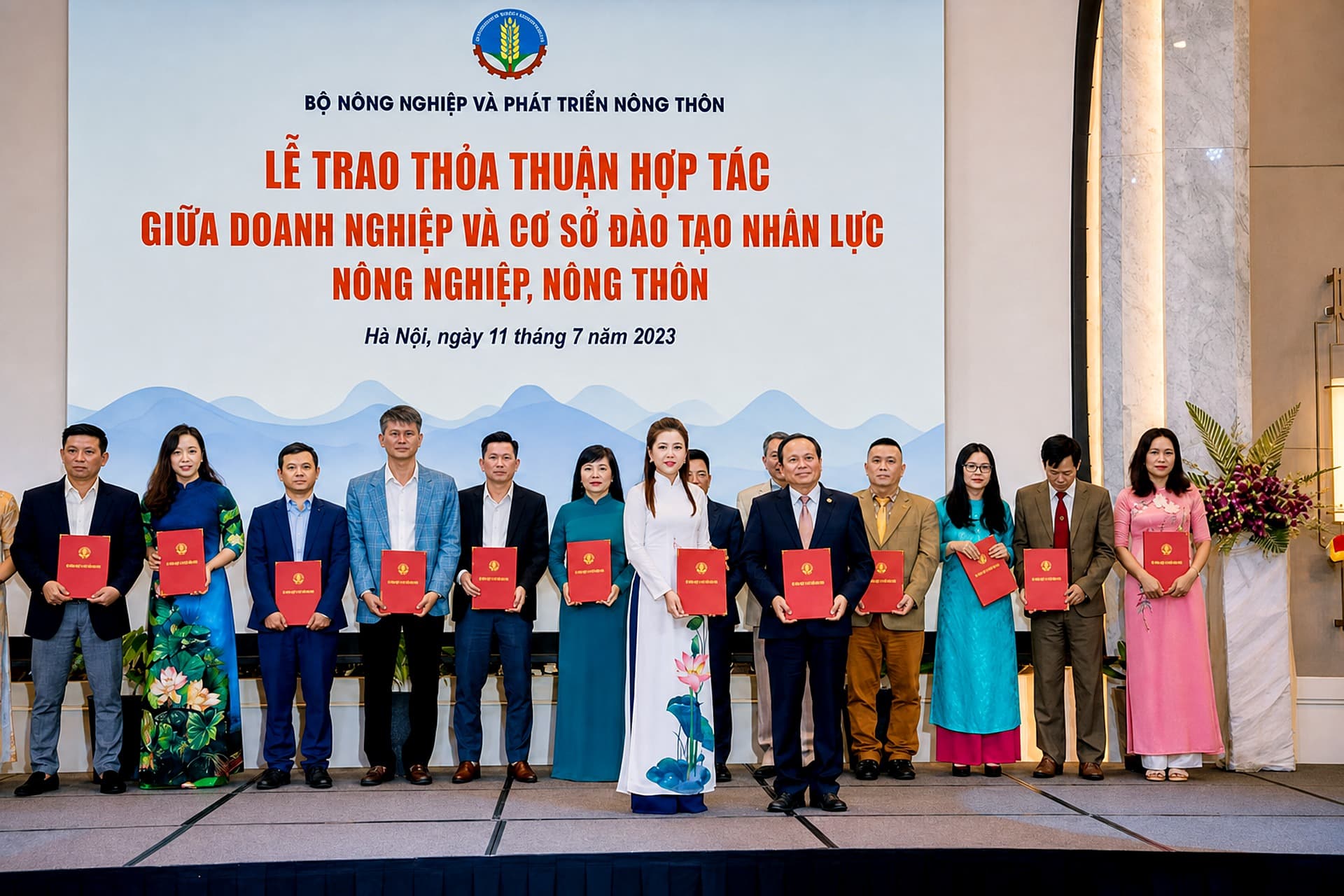
CEO Le Thi Thuy Hoa and her desire to join farmers in realizing organic agriculture
Table of Contents Desire for commitment and contribution What impression remains with you when you switch to organic agriculture? So after actually approaching organic agriculture, what are your specific assessments? Open the way from ‘th…
Read more →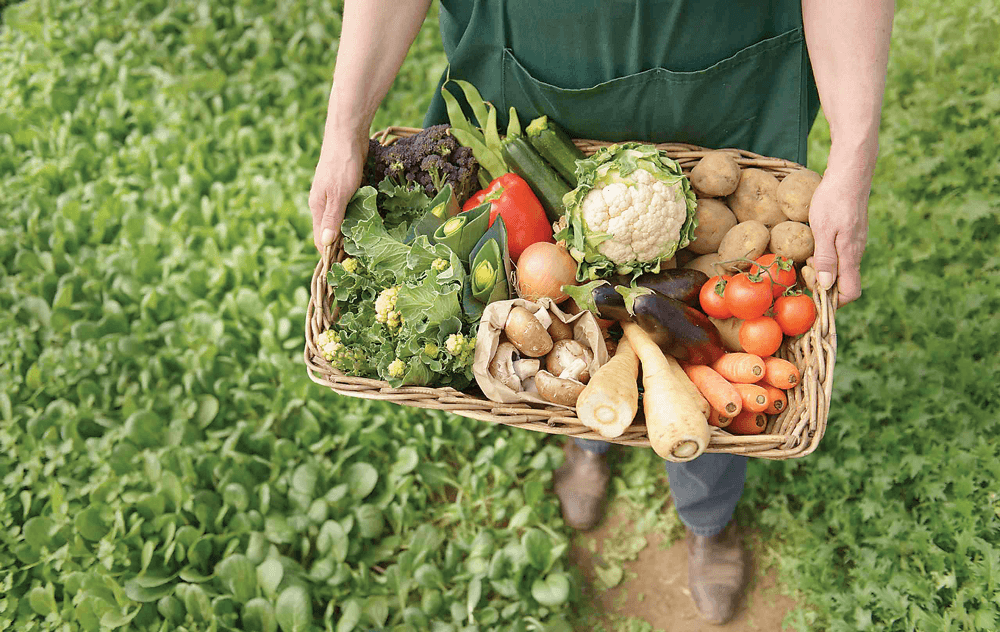
Organic agricultural products predominate
The organic agricultural market is showing persistent growth, despite economic challenges. Consumers are prioritizing natural ingredients over artificial, which is leading to steady demand for products…
Read more →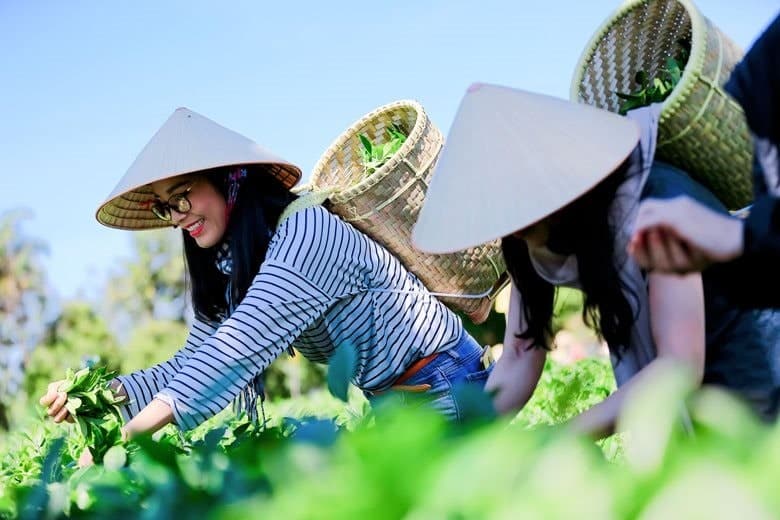
Vietnam promotes the development of organic agriculture
Organic production has become an inevitable trend in world agriculture. Not standing aside, Vietnam's agricultural industry has gradually promoted the development of organic agriculture, considering this a long-term, sustainable direction...
Read more →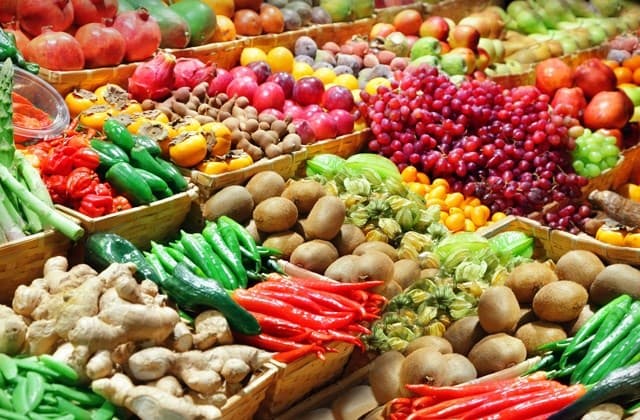
Exporting organic agricultural products: Trends, opportunities and challenges from organic cashew products
Global consumers are gradually changing their habits of using foods with the closest natural origin, meeting the needs of not only being full, but also ensuring good health and a healthy lifestyle. To meet the trend…
Read more →