
5 Questions to Ask Before Choosing Organic Fertilizer

Walking into an agricultural supply store, growers might see dozens of fertilizers labeled “organic” with widely varying prices. How do you know which one is truly good for your soil and crops? Here are five questions we often suggest our customers ask themselves before making a decision.
1. Where Do the Raw Materials Come From?
Organic fertilizer can be made from livestock manure, poultry manure, crop residues, seafood by-products, peat, and more. The origin of the raw materials determines the nutrient profile and potential risks. Clear, consistent inputs are the sign of a serious manufacturer; inputs of unknown origin may contain impurities, heavy metals, or unwanted residues.
2. How Was the Fertilizer Processed?
Fresh, untreated manure can carry pathogens, weed seeds, and cause root burn. Common processing methods include thermophilic composting for sufficient time, microbial composting, drying, or high-temperature calcination such as calcined poultry manure ash. Each method produces a product with distinct characteristics: composted fertilizer is rich in organic matter and beneficial microbes, whereas calcined ash is rich in minerals but virtually free of nitrogen.

3. What Are the Ingredients and Quality Parameters?
Read the label carefully: organic matter content, moisture, pH, primary nutrients, and microbial density (for bio-organic fertilizers). Legally marketed fertilizers must be certified and fully labeled according to regulations. For large shipments, you can request test reports from the supplier, including heavy metal and pathogen testing parameters.
4. Is the Fertilizer Suitable for My Soil and Crops?
No single organic fertilizer fits all scenarios. Acidic soil may benefit from calcium-rich fertilizer; humus-poor sandy soil needs abundant organic matter; fruiting plants require additional potassium. Soil test results and crop growth stages provide the best basis for selecting the fertilizer type and application rate.
| Fertilizer Type | Main Characteristics | Commonly Used For |
|---|---|---|
| Well-rotted composted manure | Rich in organic matter, improves soil structure | Basal application, restoring degraded soil |
| Bio-organic fertilizer | Supplies beneficial microorganisms | Biologically inactive soil, root zone disease prevention |
| Composted poultry manure, pelleted fertilizer | Relatively high nutrient content, easy to apply | Top-dressing for vegetables and fruit trees |
| Calcined poultry manure ash | Rich in minerals like phosphorus, potassium, calcium; low nitrogen | Mineral supplementation, improving acidic soil |
| Vermicompost | Friable, safe, rich in microbes | Nursery seedlings, leafy greens, potted plants |
5. Is There Documentation for Organic Production and Export?
If you are producing under organic certification or for export markets, the fertilizer must be on the allowed input list of the relevant standard. Ask your supplier for full ingredient declarations and documentation, and submit them to your certification body for approval before use. Keep invoices, labels, and records to present during audits.
Flora's Organic Fertilizers
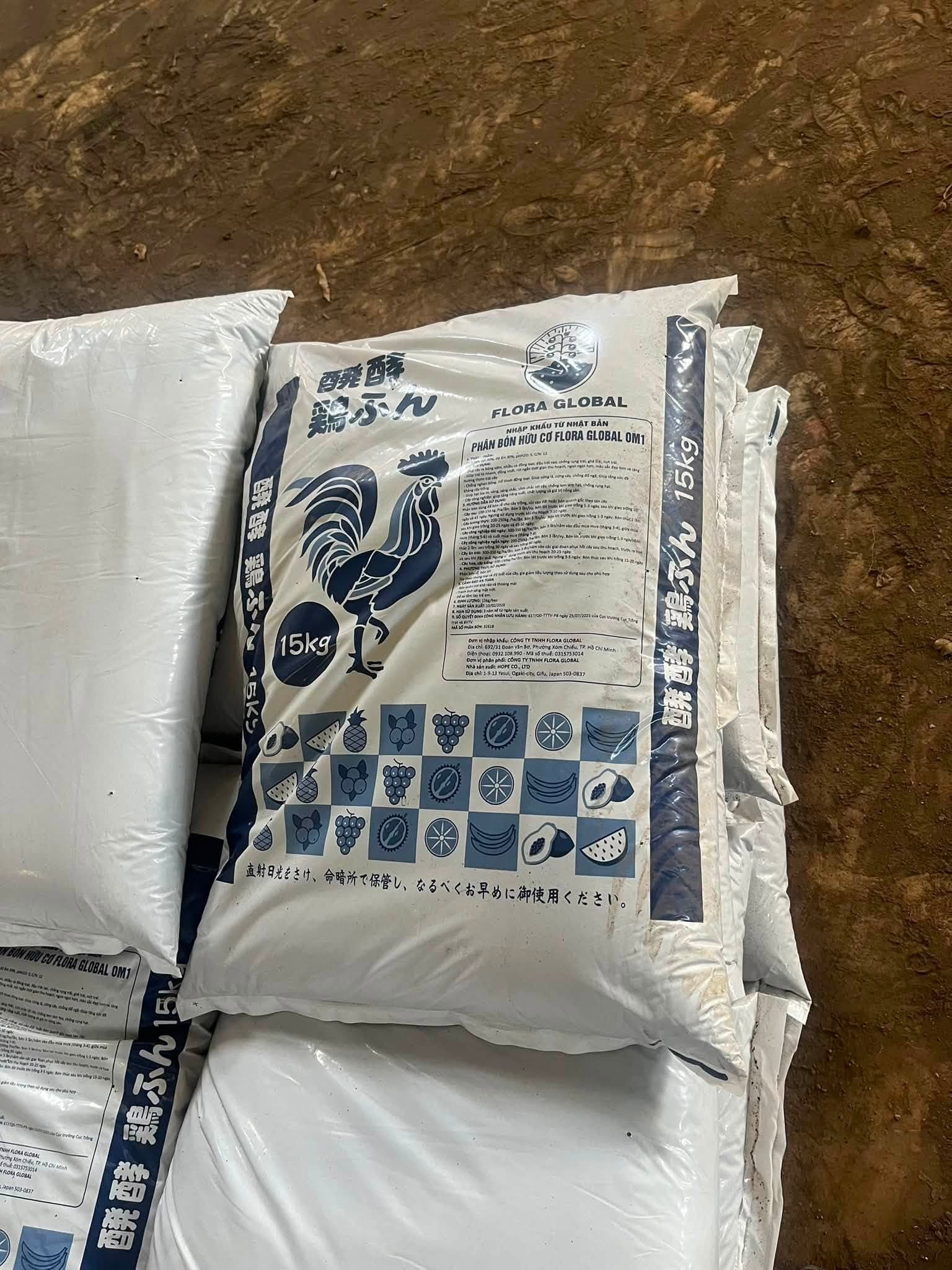 Japanese Organic Chicken ManureOrganic chicken manure imported from Japan, fermented and heat-treated.Request a quote →
 Organic Fertilizer from Calcined Chicken Manure AshOrganic PK compound fertilizer made from calcined chicken manure ash.Request a quote →
Flora Global's Perspective
We encourage growers to ask plenty of questions to any supplier, including us. A reputable supplier will be glad to share origin details, process methods, and documentation. That transparency is the foundation of trust in organic agriculture.
Cover photo: Bob Nichols / USDA NRCS / Wikimedia Commons (Public domain).


