
Service 12 · Model Farms
VOAC chemical-free farm model
Natural, chemical-free cultivation that meets the VOAC organic standard.
- 5
- 5 tỉnh
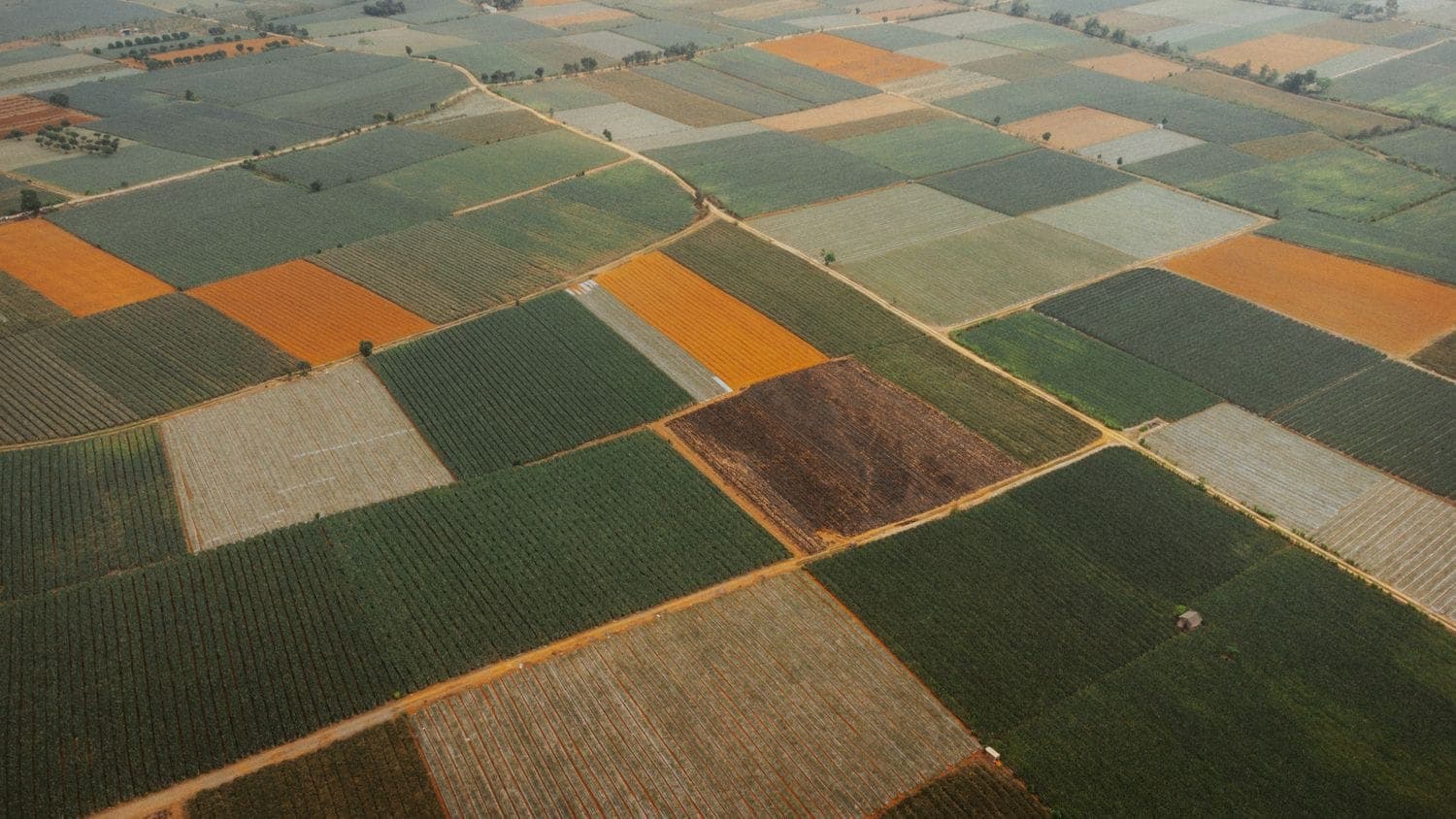
1. What is an organic farm?
In the modern agricultural landscape, organic farming is becoming increasingly popular and important. This is an agricultural model that uses natural farming and animal husbandry methods, without using synthetic chemicals or genetically modified products. Organic farms not only bring products that are safe for human health but also contribute to protecting the living environment.
2. Benefits of organic farms
Organic farms bring many outstanding benefits. First of all, products from organic farms do not contain harmful chemicals such as pesticides, herbicides and chemical fertilizers. This helps reduce the risk of chemical-related diseases, including cancer, neurological disorders and hormone problems. Additionally, organic foods are often more nutritious, containing more vitamins, minerals and antioxidants.
Environmentally, organic farms help improve soil quality, reduce erosion and protect biodiversity. Not using toxic chemicals also helps protect groundwater and neighboring ecosystems.
3. The difference between organic farms and traditional farms
Compared to traditional farms, organic farms use more sustainable farming methods. While conventional farms often rely on chemicals and mechanized techniques to increase productivity, organic farms focus on maintaining natural balance, using organic fertilizers and crop rotation to maintain soil fertility.
| Comparison factor | Organic farm | Traditional farm |
|---|---|---|
| Use chemicals | Do not use synthetic chemicals, pesticides and chemical fertilizers. | Extensive use of pesticides and chemical fertilizers to increase productivity and control pests. |
| Genetically Modified (GMO) | Do not use genetically modified varieties (GMO). | Genetically modified varieties are often used to increase productivity and resistance to pests. |
| Fertilizer | Use organic fertilizers such as compost and manure. | Use chemical fertilizers to quickly provide nutrients to plants. |
| Land management | Focus on protecting and improving soil quality, using crop rotation and planting cover crops. | There is often little emphasis on soil health, which can cause soil erosion and degradation due to chemical use and constant farming. |
| Pest management | Use natural remedies such as natural enemies, herbs and crop rotation to control pests. | Rely on chemical pesticides to control pests. |
| Biodiversity | Create an environment of high biodiversity, protecting beneficial organisms. | Low biodiversity due to chemical use and monoculture farming. |
| Product quality | The product is rich in nutrients, safe for health, and does not contain chemical residue. | Products may contain chemical residues, nutritional quality may be lower. |
| Impact on the environment | Minimize negative impacts on the environment, protect water sources and land. | Causes water pollution, soil degradation and negative impacts on ecosystems. |
| Product price | Usually higher due to high production costs and complex farming processes. | Usually lower due to large production scale and use of modern technology. |
| Regulation and certification | Must adhere to strict standards and have organic certification. | Few certification requirements, mainly following general food safety regulations. |
4. Organic farms and sustainable agricultural development
Contribute to environmental protection. Organic farms help minimize negative impacts on the environment. Not using synthetic chemicals helps protect biodiversity and ecosystems. Organic farms also contribute to reducing greenhouse gas emissions, protecting groundwater resources and increasing soil resilience to climate change.
Minimize impact on land and water resources. Organic farming methods help improve soil structure, increase fertility and water holding capacity. This not only helps plants grow better but also minimizes the risk of soil erosion and degradation. Not using toxic chemicals also helps protect groundwater and freshwater ecosystems.
5. Developing organic farms in Vietnam
Situation and potential. Vietnam has much potential to develop organic farms thanks to favorable natural conditions and biodiversity. In recent years, many organic farms have been established and received attention from consumers. The organic food market is increasingly expanding, not only serving domestic demand but also aiming for export.
Challenges and opportunities. Despite having much potential, organic farms in Vietnam still face many challenges such as lack of knowledge and experience, high production costs and difficulties in accessing the market. However, with support from state policies and consumer attention, organic farms can develop strongly in the future.
Conclude
Organic farming is a sustainable solution for agriculture, bringing many benefits to human health and the environment. With chemical-free growing methods and contributions to environmental protection, organic farms are becoming an important development trend in modern agriculture. Developing organic farms in Vietnam not only helps improve food quality but also contributes to the sustainable development of the country's agriculture.
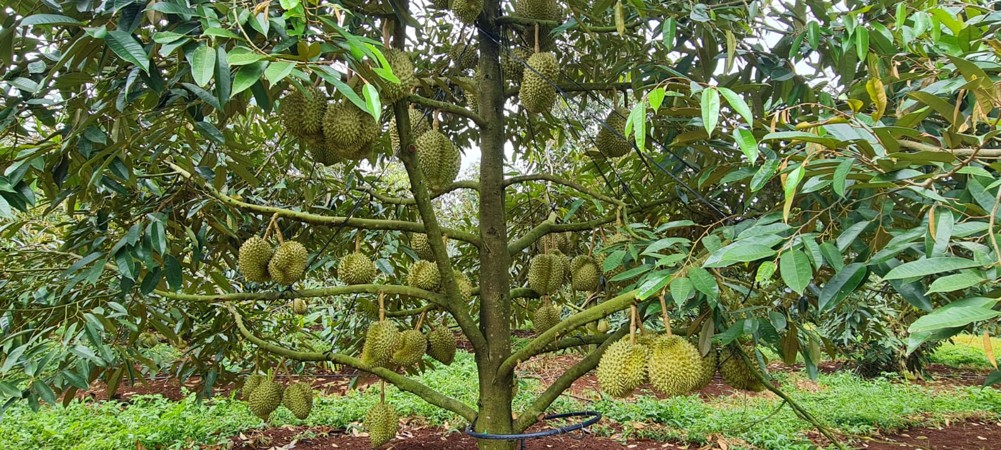
Durian
- Location
- Bao Loc
- Farm area
- 0.5 hectares
- Number of plants
- 80
- Variety
- Monthong
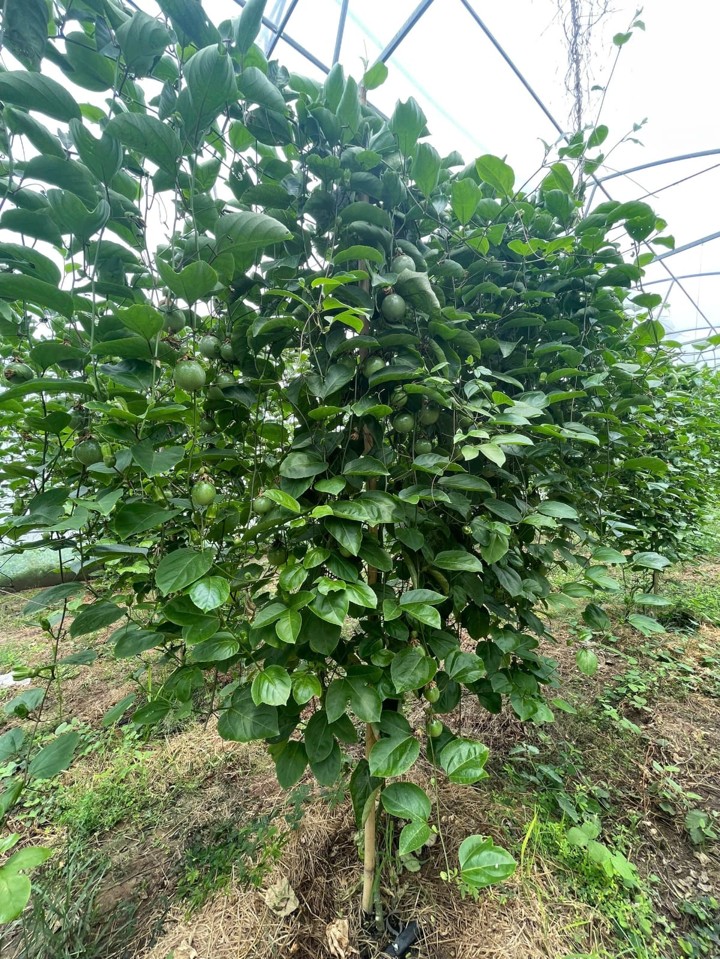
Passion fruit
- Location
- Binh Thuan
- Farm area
- 3.5 hectares
- Number of plants
- 8750
- Variety
- Golden Honey No. 9
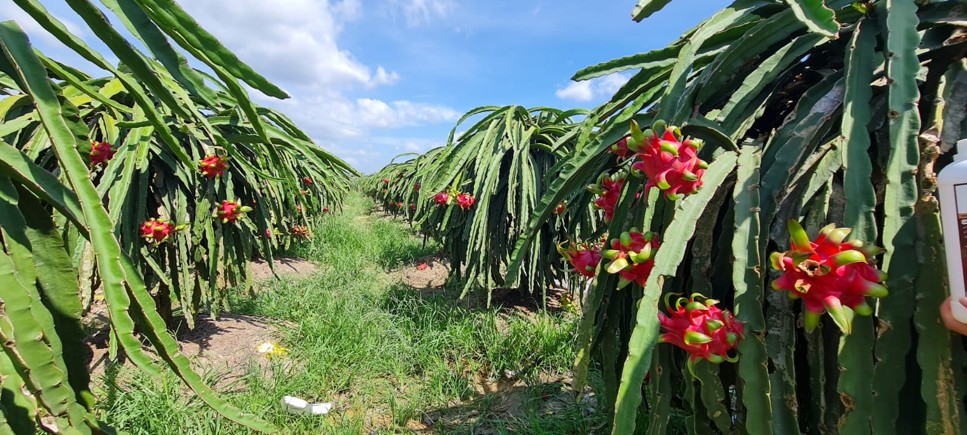
Dragon fruit
- Location
- Long An
- Number of plants
- 1 ha
- Variety
- Red flesh dragon fruit
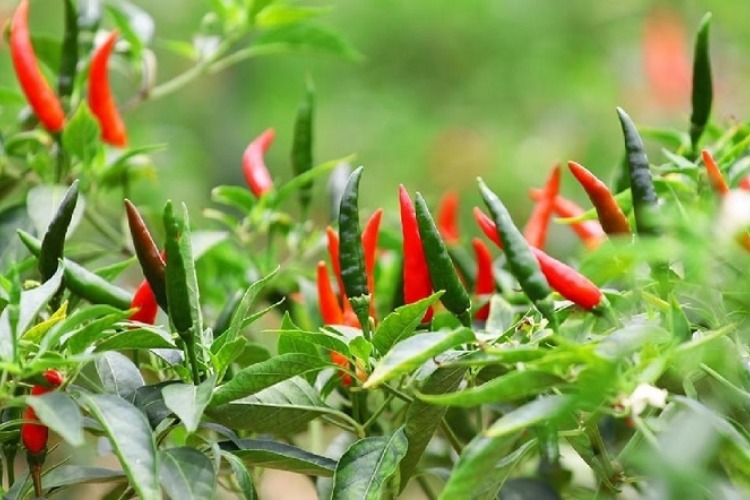
Chilli
- Location
- Dong Nai
- Farm area
- 1000 m2
- Number of plants
- 2800
- Varieties
- Chili pepper
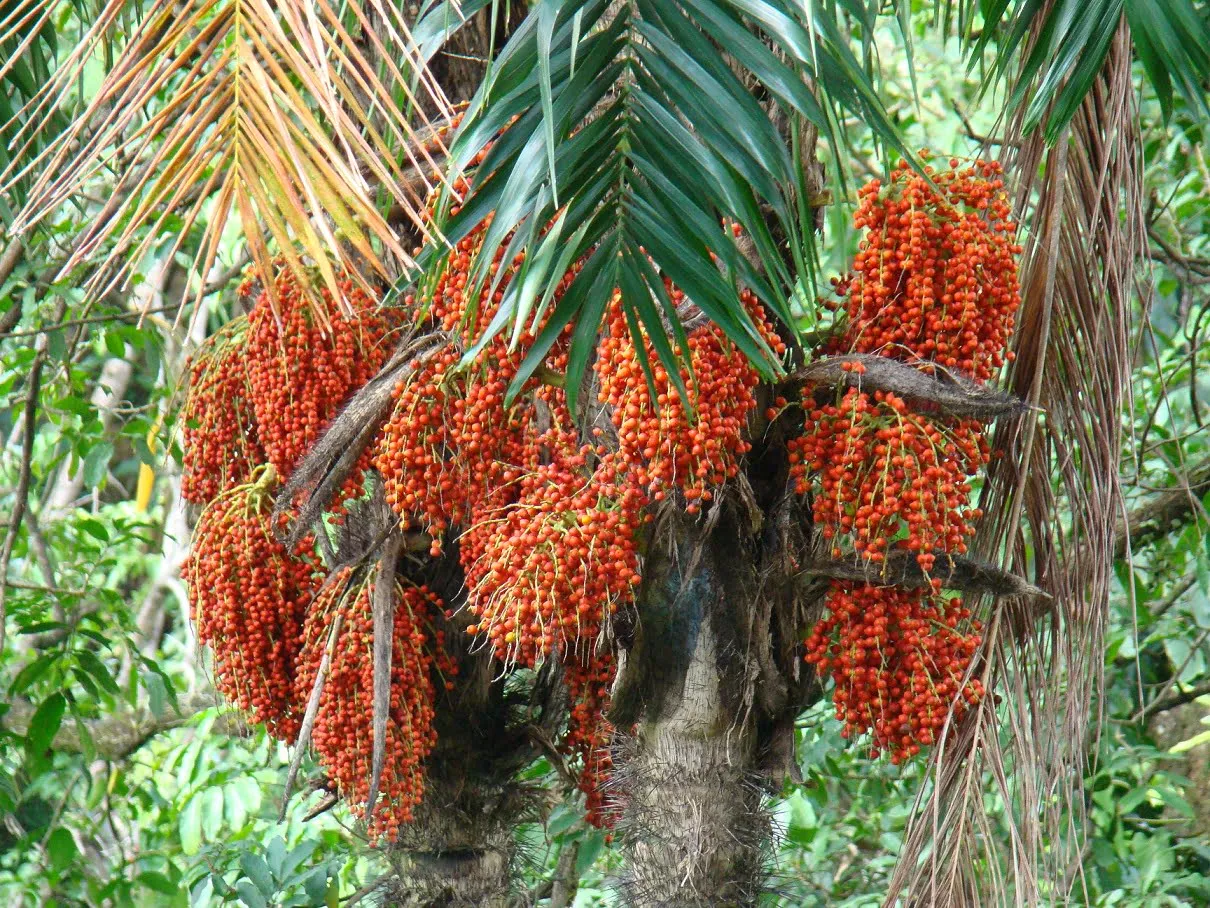
Peach palm tree
- Location
- Binh Phuoc
- Farm area
- 7 hectares
Ready to integrate with our ecosystem?
Initiate partnership