Organic Farming

Mulch with straw: retain moisture, limit weeds and nourish the soil

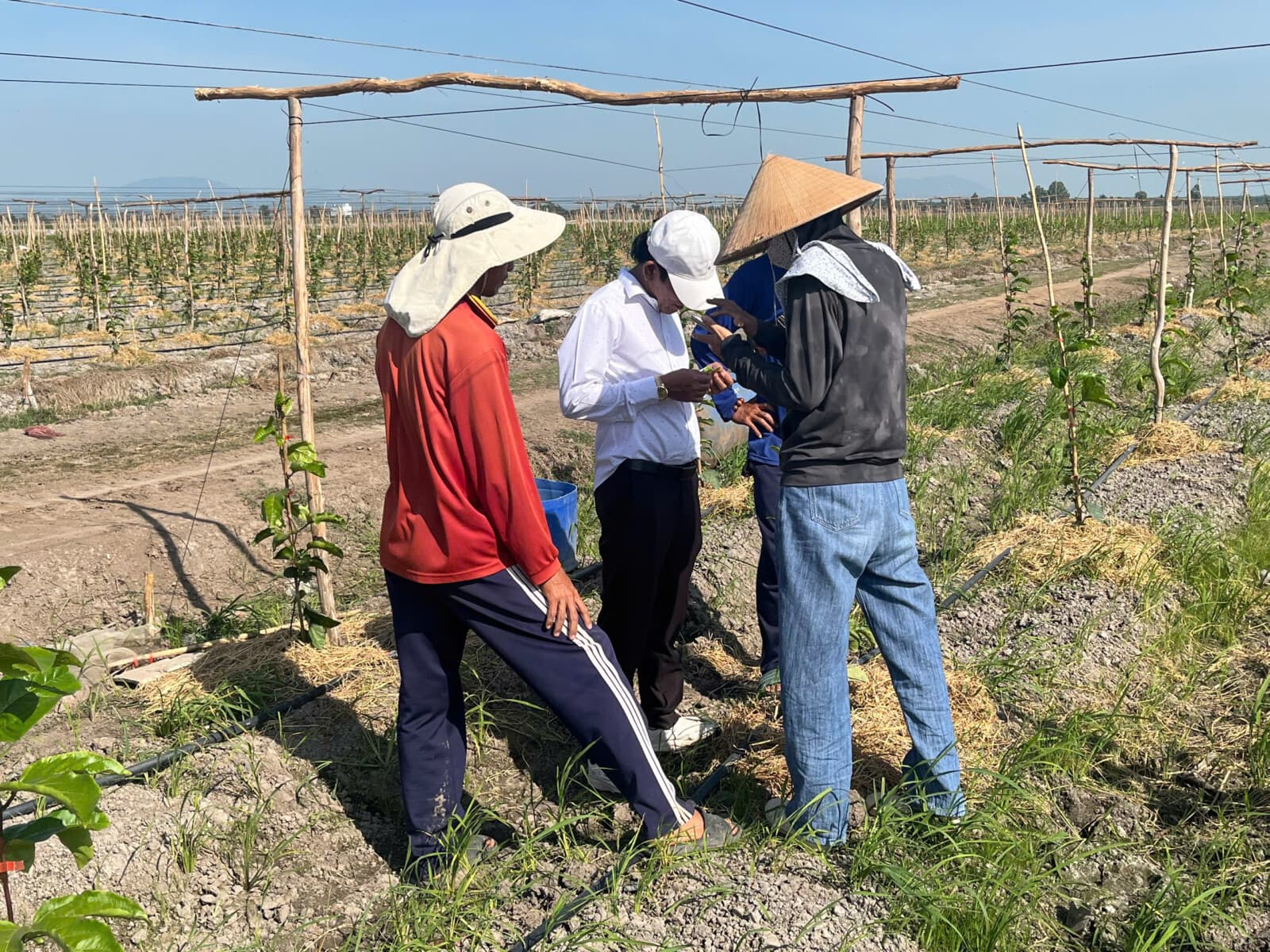
Mulching is applying a layer of organic material such as straw, dry leaves, or rice husks to the ground around the tree. Mulch retains moisture, reduces ground heat, limits grass growth and when decomposed, adds organic matter, creating a good environment for earthworms and microorganisms.

Nov 20, 2026

Intercropping and companion plants: diversity for a healthier garden

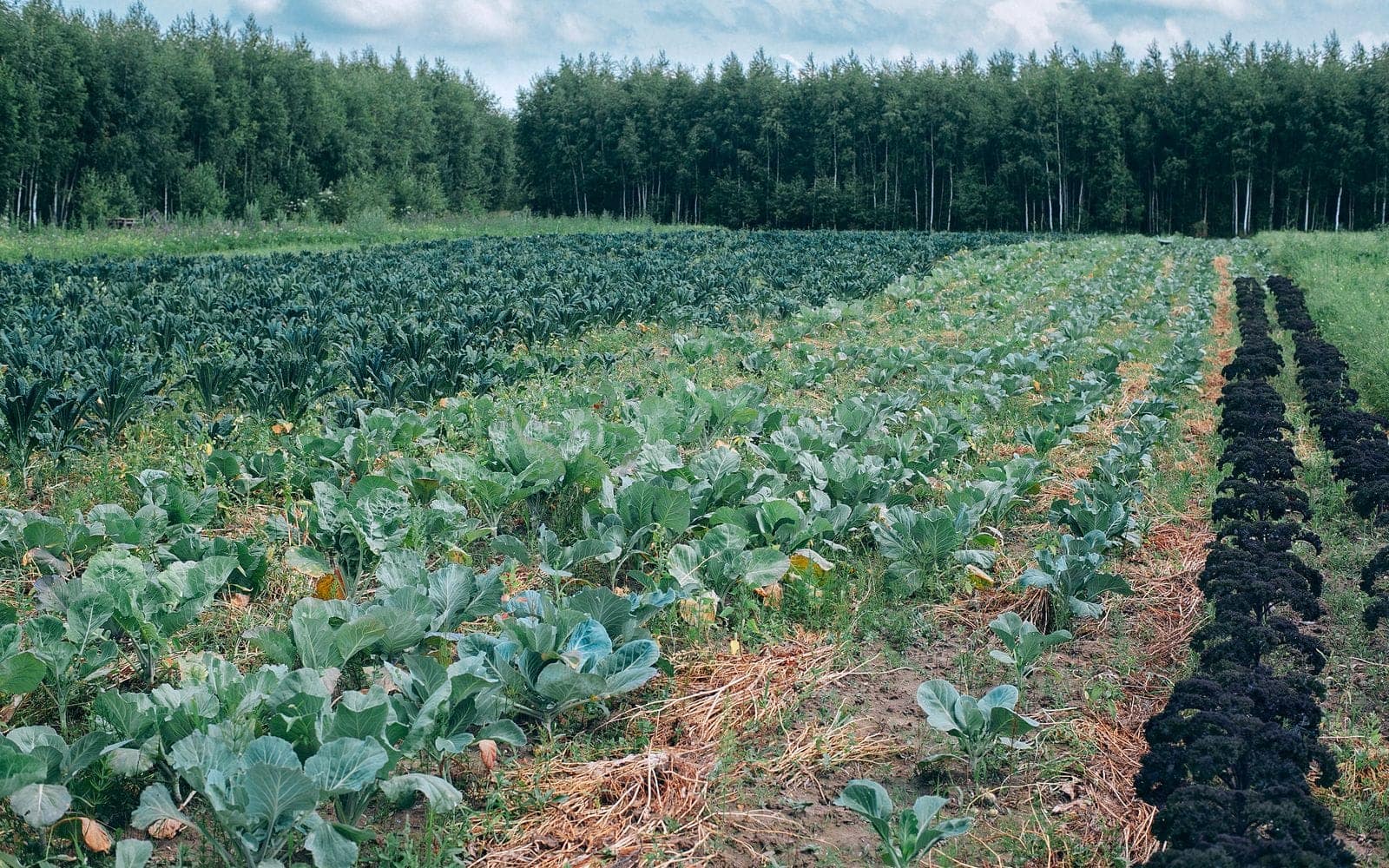
Intercropping is arranging two or more types of plants on the same area to take advantage of light, soil and water. Combined correctly, tree species support each other: covering the ground, attracting natural enemies, disturbing some pests and reducing the risk of one tree having problems.

Nov 15, 2026

Drip irrigation in organic gardens: saves water, reduces leaf diseases

Drip irrigation delivers water slowly and evenly to the root zone instead of spraying it all over the foliage. For organic gardens, this irrigation method helps save water, limit weeds in the middle of the bed, reduce conditions for fungal diseases and can be combined with watering with soluble organic nutrients.

Nov 10, 2026

Featured knowledge

Biochar: soil improvement from agricultural by-products

Biochar is the char obtained when biomass is pyrolyzed in the absence of oxygen. Thanks to its very porous structure, biochar helps soil retain water, retain nutrients and create shelter for microorganisms — but needs to be loaded with nutrients before applying to avoid being counterproductive.

Nov 05, 2026

Phân bón hữu cơ là gì? Lợi ích trong canh tác bền vững

Phân bón hữu cơ là nền tảng quan trọng của nông nghiệp bền vững. Sử dụng đúng cách không chỉ giúp cây trồng phát triển tốt mà còn góp phần bảo vệ đất, giảm tác động môi trường và nâng cao giá trị nông sản.

Oct 12, 2026

Weed control in organic farming without herbicides

Weeds are one of the biggest challenges when converting to organic. This article brings together preventive, cultural, mechanical and biological methods, models such as duck–rice and managed grass cover in orchards, and a weeding schedule by crop stage.

Aug 30, 2026

Latest

Aug 20, 2026

Crop rotation and cover crops: two foundational tools of organic systems

Good rotations and cover crops help manage nutrients, break pest and disease cycles and protect the soil. This article groups crops by family, gives example rotations for vegetables and for rice–upland crops in the Mekong Delta, and suggests cover crops for orchards and coffee on slopes.

Aug 10, 2026

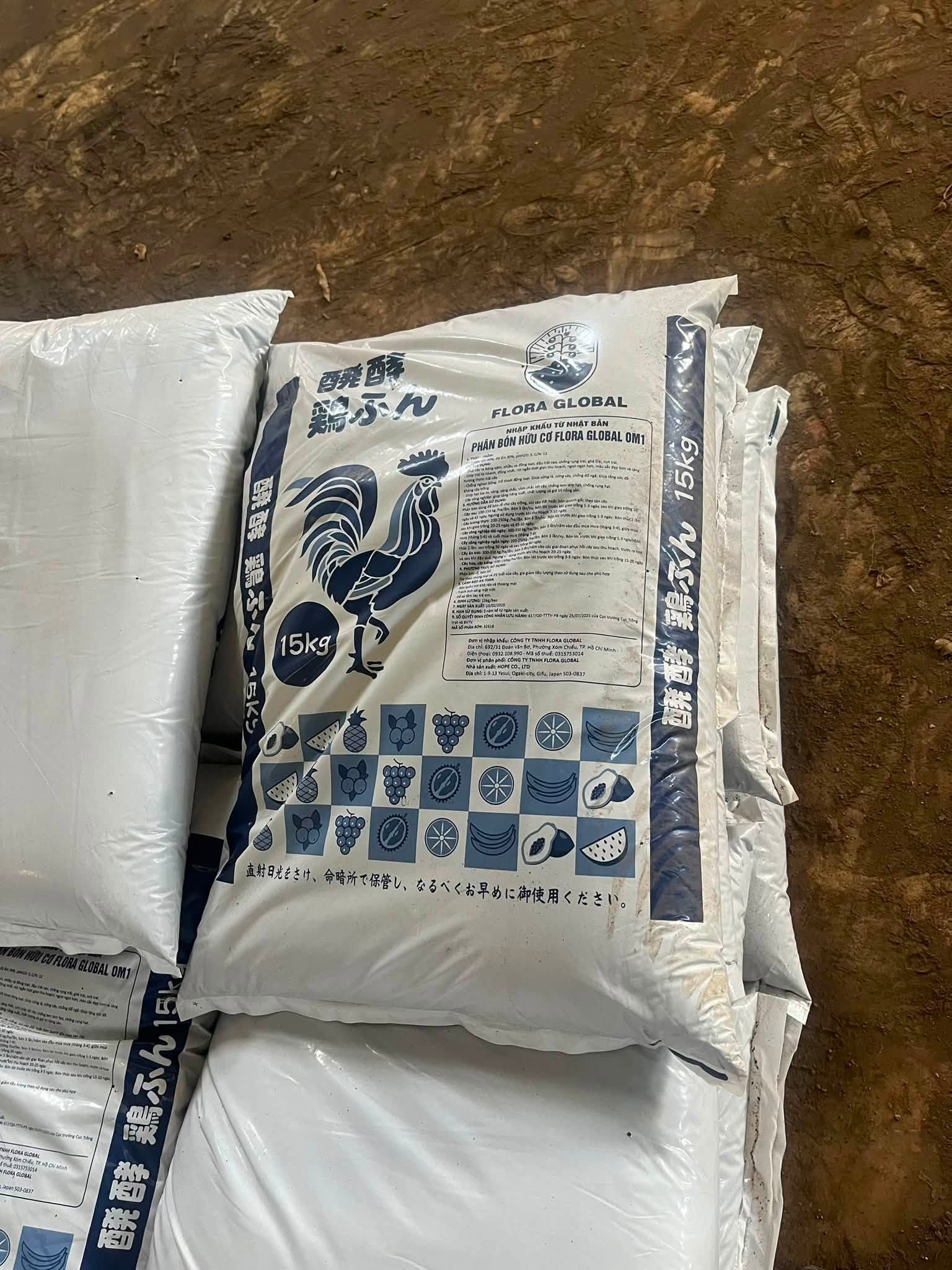
Organic fertilizers: classification, composting and principles of use

Cattle manure, chicken manure, compost, green manure and processed organic fertilizers play different roles. This article compares the groups, explains composting by C/N ratio, summarises USDA and EU rules on manure, shows how to read a fertilizer label in Vietnam and lists common application mistakes.

Jul 31, 2026

Pest management in organic farming without synthetic chemicals

Not using synthetic pesticides does not mean giving in to pests. This article sets out a four-layer prevention strategy, models already used in Vietnam such as ecological engineering in rice and weaver ants in citrus, and a table of commonly used biological agents.

Jul 11, 2026

Transition to organic farming: roadmap for the first years

Moving from conventional to organic farming takes several years. This article compares conversion periods under USDA, EU and JAS, suggests a year-by-year roadmap, sets realistic expectations for yields and costs, and lists the mistakes that make farmers give up halfway.

Jul 19, 2018

Vietnam promotes the development of organic agriculture

Organic production has become an inevitable trend in world agriculture. Not standing aside, Vietnam's agricultural industry has gradually promoted the development of organic agriculture, considering this a long-term, sustainable direction...