Index
- Desire to commit and contribute
- Opening the way from 'fair trade'
- 70,000 hectares of organic production
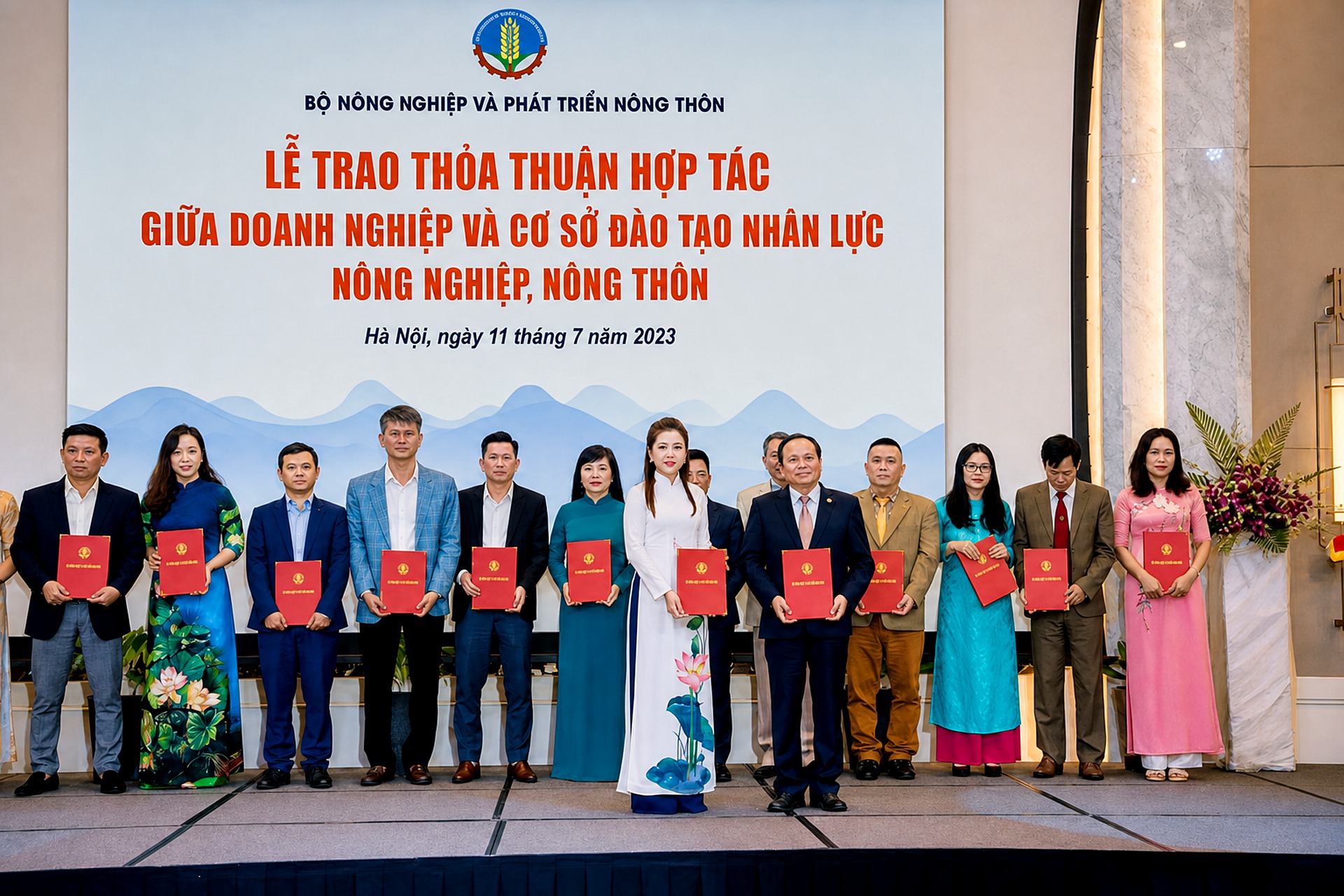
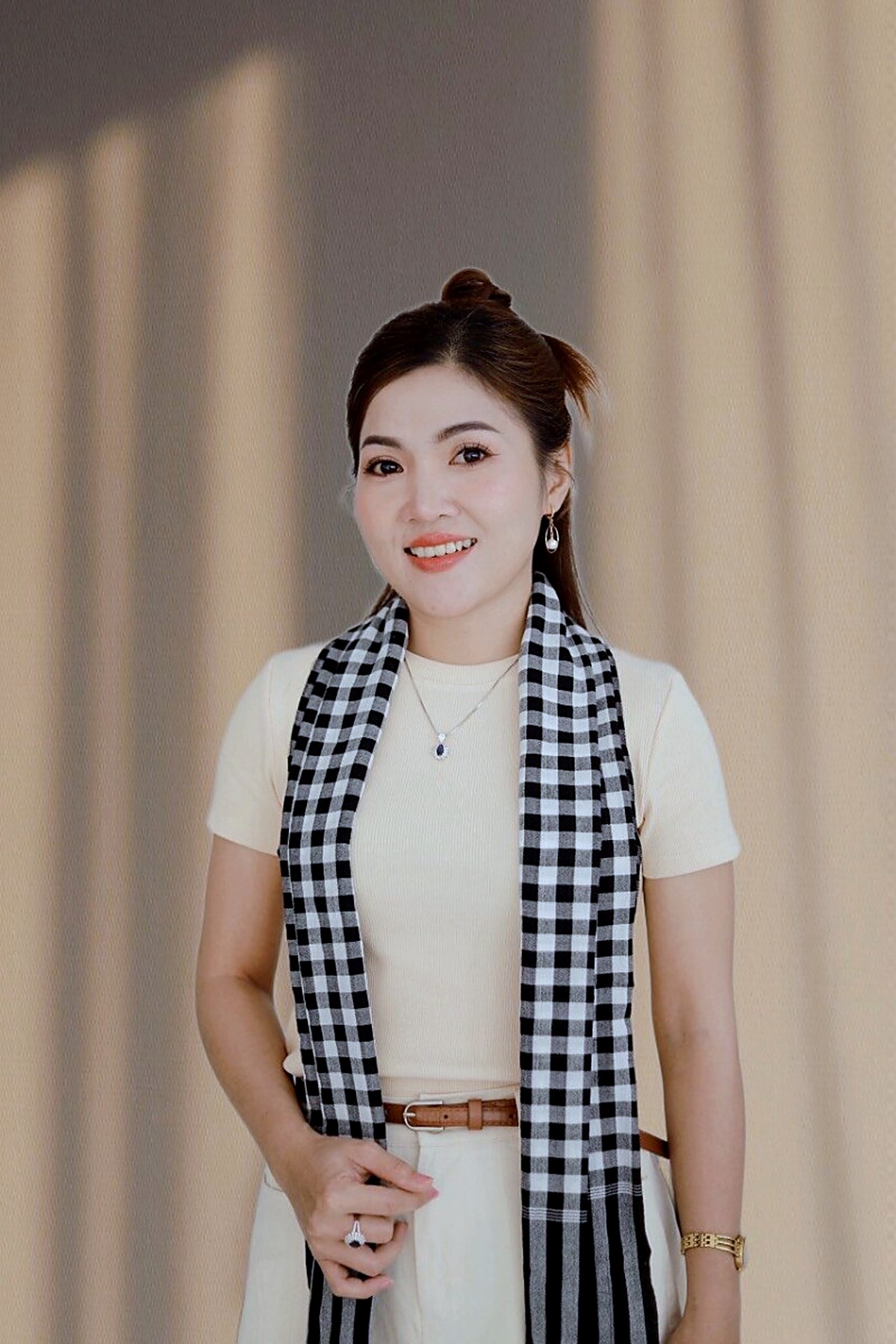
Le Thi Thuy Hoa - Director of Sinai Vietnam Co., Ltd., City. Ho Chi Minh City, choosing the direction of accompanying agriculture and farmers.
Born and raised in the lotus land of Dong Thap, had a time of diving with lotus, understanding the hardships early and late in the fields, but success comes with luck depending on the season.
Therefore, after graduating with a major in English language, Ms. Le Thi Thuy Hoa, Director of Sinai Vietnam Co., Ltd., City. Ho Chi Minh City, choosing the direction of accompanying agriculture and farmers.
Desire to commit and contribute
What impressions remained with you when you switched to organic agriculture?
– I was fortunate that right after finishing my studies, I was able to work with a German corporation specializing in exporting cashew nuts in Binh Phuoc.
Wandering around the cashew "capital" area from Bu Dang, Bu Nho, Bu Gia Map to Phuoc Long, working with farmers, cooperatives and local authorities has given me valuable experiences. That is also the luggage that I will always remember on my journey to conquer lands called organic.
Additionally, I am very lucky to be in charge of the "Fair Trade" project. In fact, this is a welfare program for the locality where the project takes place. The new roads, bridges connecting river wharves, school buildings, and agricultural production tools for farmers that the project gave me have truly left me with simple happiness.
The concept of “fair trade” opened the way for me. I want to be involved and contribute. I understand the value of giving and receiving when we exploit valuable agricultural resources from mother nature and the strength of farmers in the fields.
So after actually approaching organic agriculture, what are your specific assessments?
– After working on the cashew raw material area, I carried out a project on the raw coconut area in Ben Tre and the finished dried coconut products of the Betrimex factory were exported to the US and German markets, creating many opportunities for the Vietnamese coconut industry.
Also from this reality, I have gained experience working with farmers, factories, and food hygiene and safety issues for the organic supply chain.
I also realized another fact that our farmers lack information about the market for internationally certified organic agricultural products. At the same time, businesses also lack a department to market their businesses to the international market.
Opening the way from 'fair trade'
And is that the driving force that motivated you to open your own company?
– That's right, in the context of a very large market in need of goods. I want to remove this bottleneck for development. My company was born with the desire to accompany farmers, cooperatives, and businesses. The goal is to own the output for agricultural products, bringing Vietnamese products to advanced countries. I deeply understand that only creating output that meets export standards will keep agricultural output from stagnating. The chorus of falling prices will one day no longer be an obsession in agricultural production.
That's the wish, but is it difficult to get organic certification?
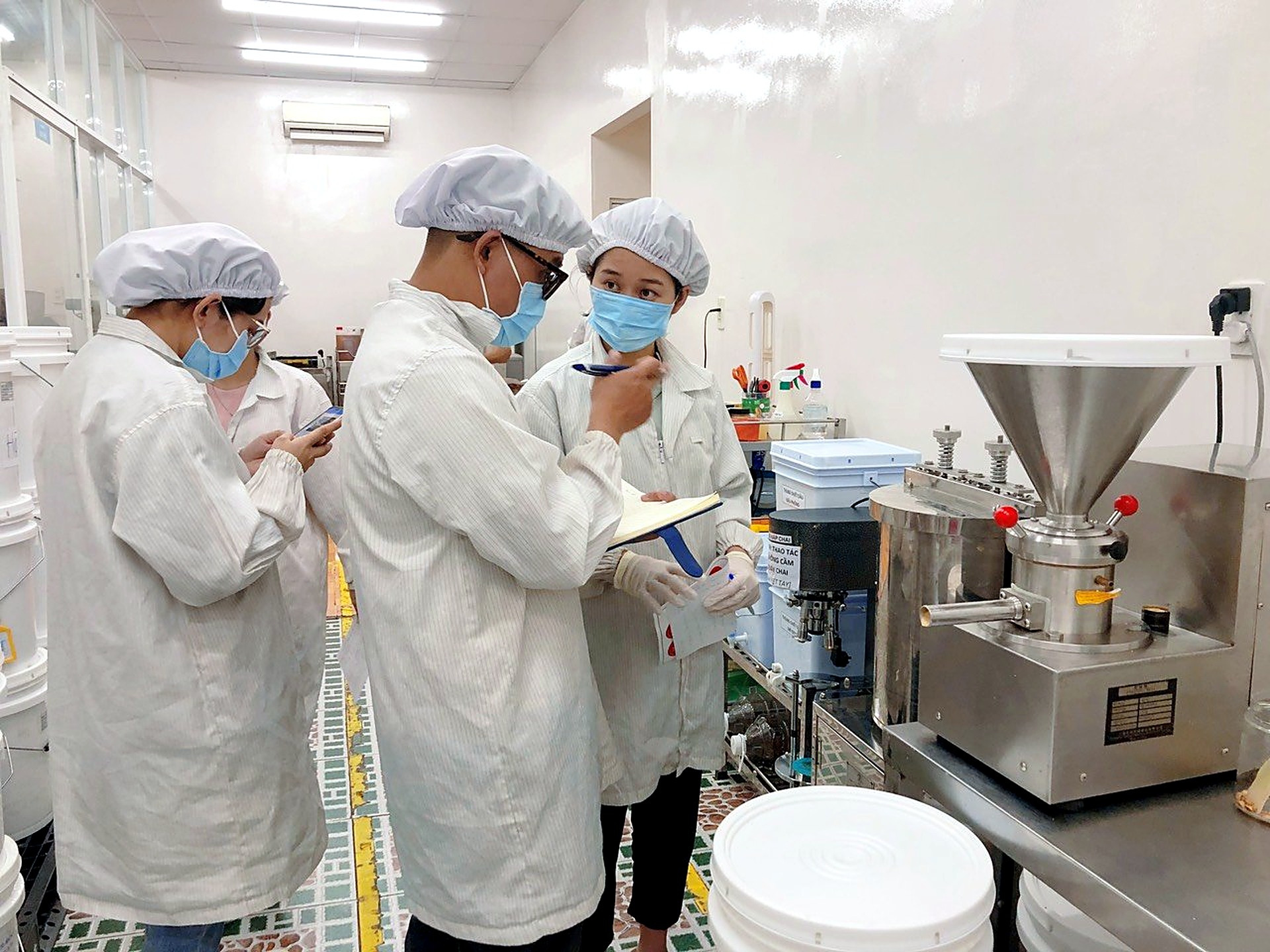
– We are currently granting USDA organic certification (USA); EU (Europe); JAS (Japan) and other organic certifications through cooperation with Mayacert headquartered in North America.
Regarding certification, I just cite a detail that when we certify a cooperative or enterprise that meets USDA standards, the code of that enterprise or cooperative is updated on the website of the US Department of Agriculture. This not only affirms the product's reputation but also makes it very convenient for international customers who want to look up the product.
However, the certification assessment process is strict, directly evaluated and certified by experts from the international organization.
It must be added that organic agricultural production must be 5 hectares or more and the model is an enterprise or cooperative. This comes from the fact that our agricultural products are produced seasonally (usually one to two seasons a year), so small and fragmented production will not meet the output needs of the export market.
70,000 hectares of organic production
Sinai has currently granted organic certification to approximately how many Vietnamese businesses?
– We are doing it and we can call it a start-up, because looking at the new figure there are about 70,000 hectares of production under the organic agriculture model. But really, wherever you go, you will definitely get there, seeing the economic value of the product, the health and environmental value for the community, and for the sustainable development of agricultural production.
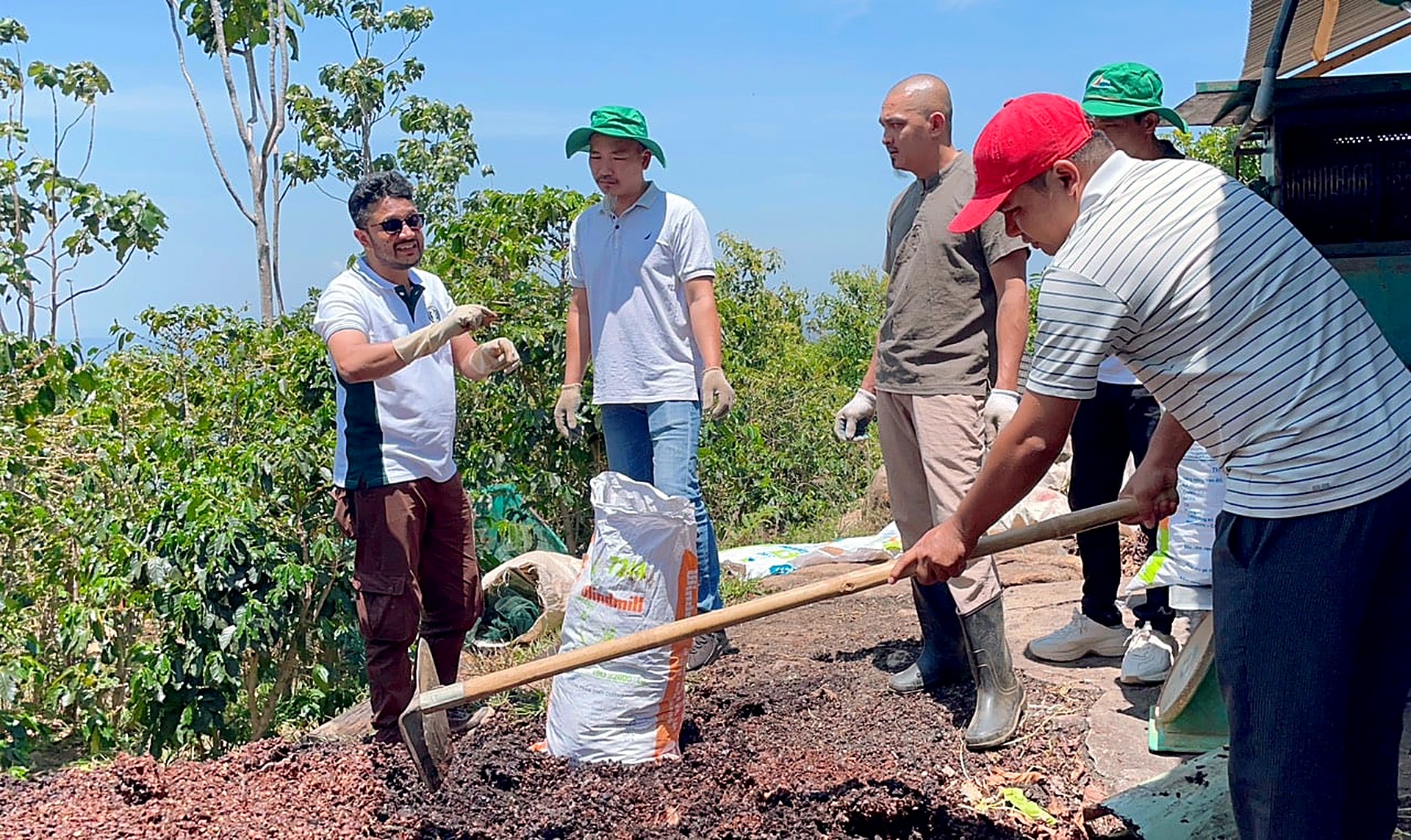
Some of the products we have made include: 30 hectares of dragon fruit in Binh Thuan; 35 hectares of coffee in Di Linh (Lam Dong province), cordyceps of the High-Tech Agricultural Cooperative in Ba Ria - Vung Tau; macadamia and durian raw material areas in E H'leo DakLak, cashew nuts in Tay Ninh...
In the upcoming direction, what will Sinai's priority be?
– Our biggest wish is to work with farmers to realize organic agriculture.
In the immediate future, we hope to be able to impart knowledge through training courses on international organic agriculture and share experiences received through seminars and promotion programs on organic products.
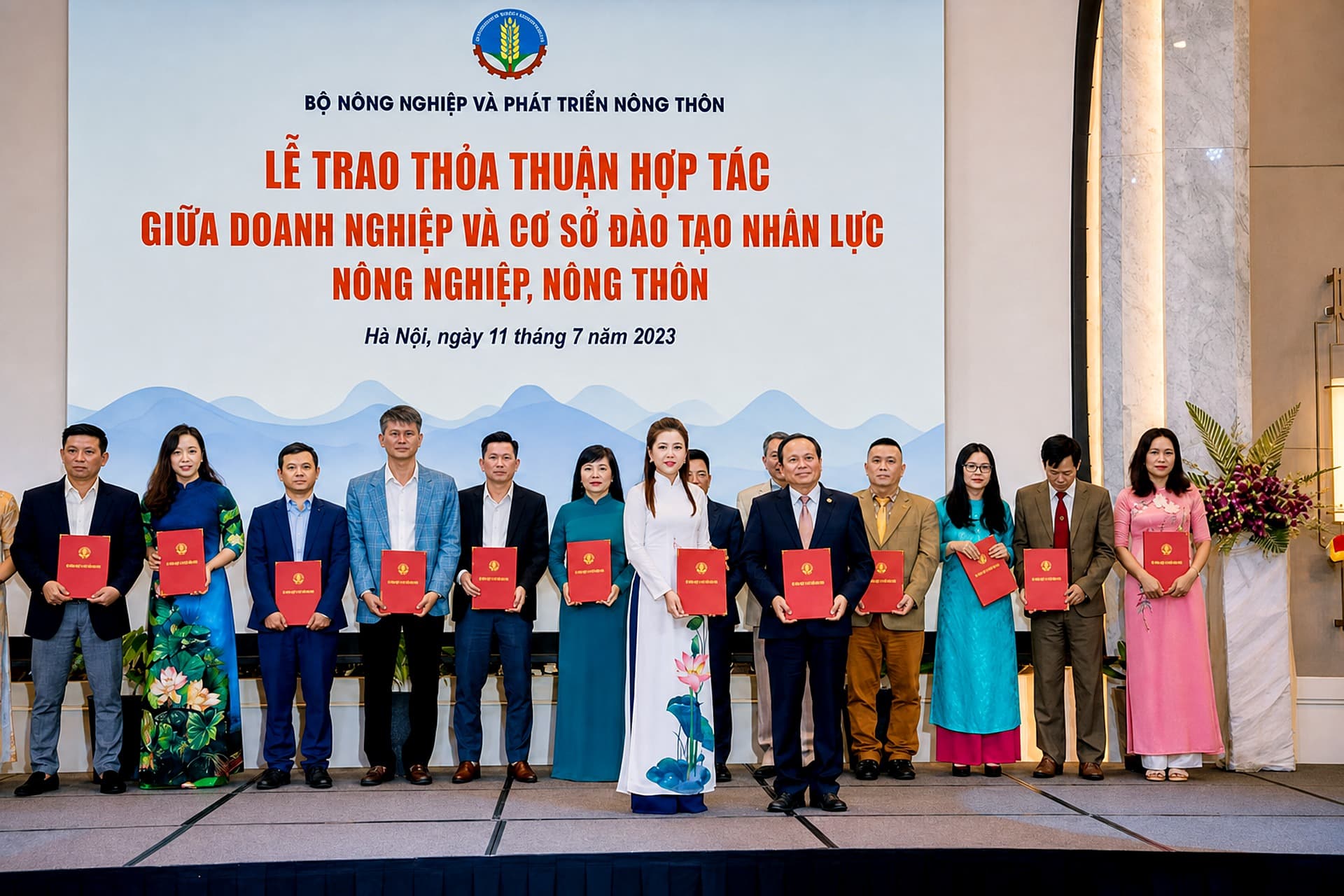
In addition, we have also cooperated with Bao Loc College of Technology and Economics (Ministry of Agriculture and Rural Development) to continue training generations of students with the mindset to realize organic agriculture in Vietnam. This is also the leading generation to implement organic agriculture first in Lam Dong for specific products such as vegetables, coffee, oolong tea, passion fruit, and flowers (to make tea).
Along with that, we support businesses and cooperatives to control risks before exporting; Representatives to associated countries, supporting importers to visit growing areas and factories in Vietnam.
A journey with many opportunities and challenges, but we believe that Vietnamese organic agriculture will definitely "bloom".
Organic agricultural products, also known as organic foods, are products produced under a comprehensive management system to promote and maintain the health of land, water, human and animal ecosystems. This system is based on the principles:
– Do not use toxic chemicals: The use of pesticides, chemical fertilizers, growth stimulants, artificial preservatives and other synthetic additives are prohibited in organic production. Instead, farmers use natural methods such as crop rotation, organic fertilizers and natural enemies to control pests.
– Preserving biodiversity: Organic agriculture encourages the diversity of plant species, animals and microorganisms in the farm ecosystem. This enhances soil health, improves water quality and creates healthy habitat for pollinators and other beneficial organisms.
– Promote animal welfare: Animals raised using organic methods are free to graze or raised in spacious, airy living environments. They are fed organic food and are not given antibiotics or artificial growth hormones.
Source: danviet. VN