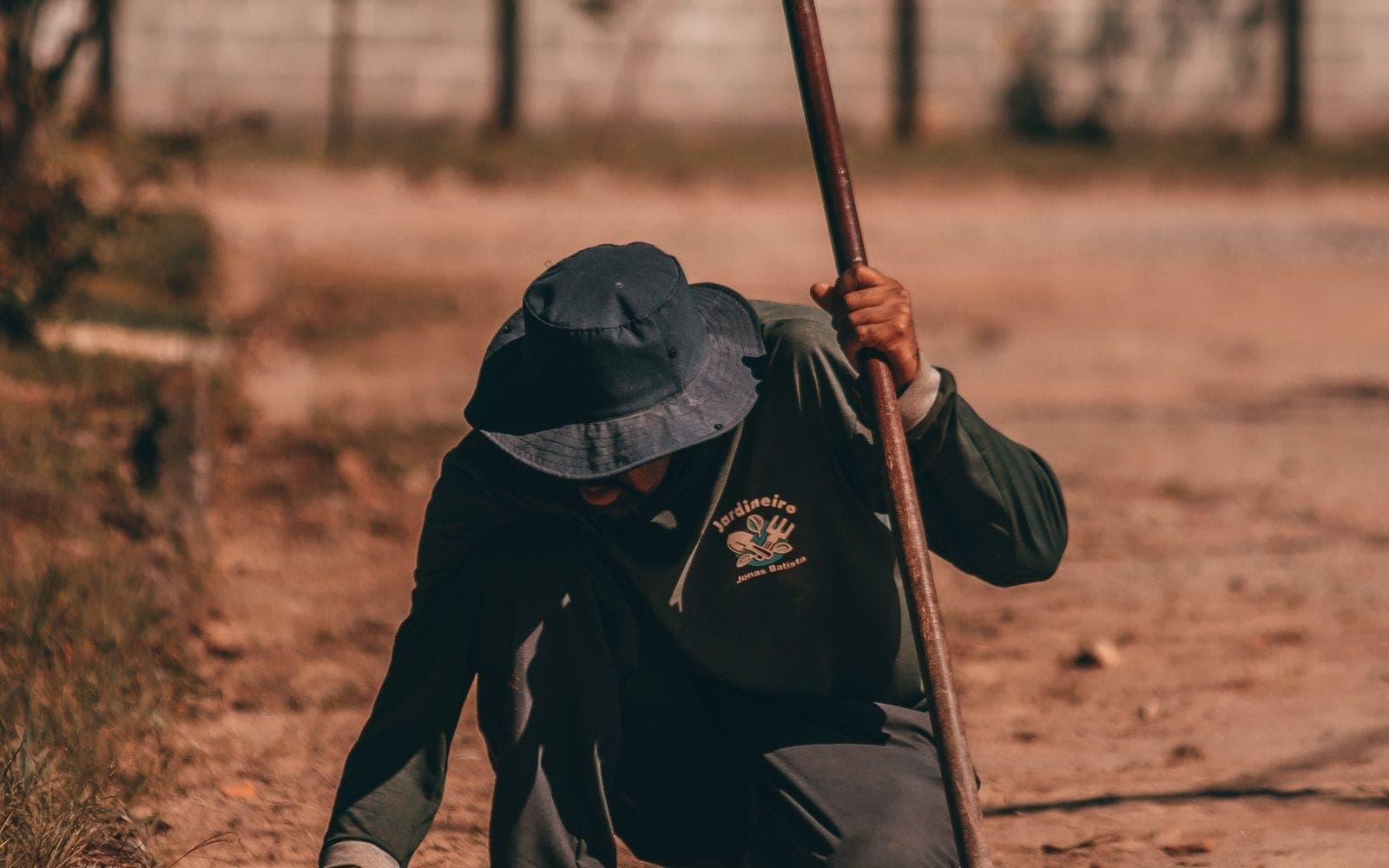
Without synthetic herbicides, organic growers must manage weeds with a coordinated set of practices. The goal is not to have a weed-free field, but to keep weed competition at a level that does not significantly affect yield and quality.
Understand the "grass seed bank" in soil
Each plot of land contains a large amount of weed seeds that persist for many years. The long-term strategy of organic farming is to gradually deplete this bank: do not let grass go to seed, stimulate seed germination and then kill young plants before planting, and limit the introduction of new grass seeds through unrotted manure or mixed seeds.
Farming measures
- Making fake land:Prepare the beds early, wait for the grass to germinate, treat the young grass layer before sowing the crops.
- Ground cover:Straw, crop residue, or biomulch block light from reaching the grass seeds.
- Tree density and canopy:Plants that close their canopy quickly will compete well with grass.
- Crop rotation and cover crops:Changing conditions cause no grass species to dominate for long.
Mechanical measures
Weeding by hand, hoe, row cultivator, tooth harrow, and in some systems, heat treatment. Timing is more important than tools: killing weeds when they are young takes much less effort than when they are grown, and the early part of the season, when the crop is young, is crucial.
Accept and prioritize
Veteran organic farmers often focus their resources on the stage when the crop is most sensitive to competition, and accept a certain amount of weed at the end of the season when damage is no longer significant. Recording which grass species appear where and when helps to adjust plans for future crops.