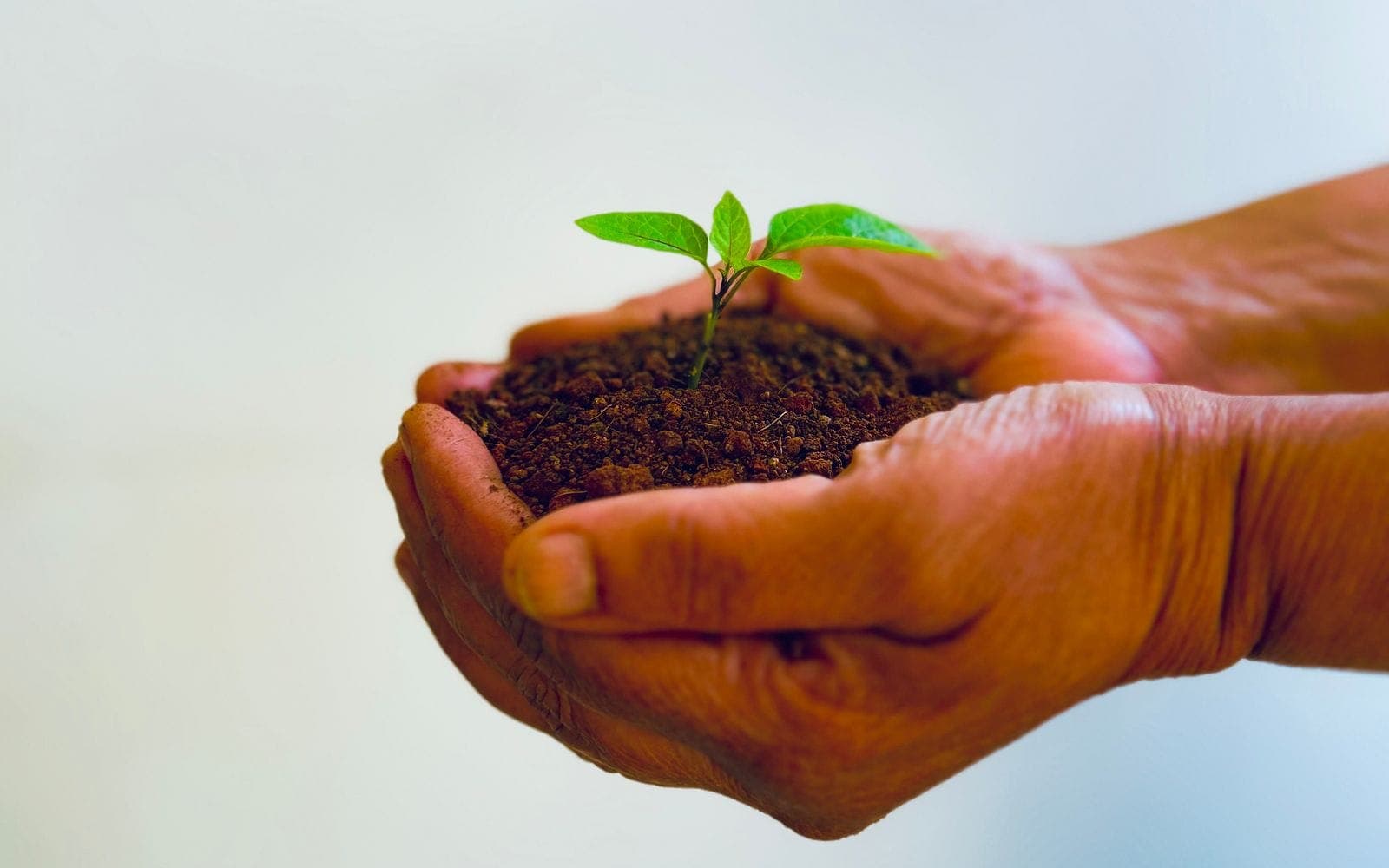
One of the questions Flora Global often receives is why it can't be "organic" right away. The answer lies not in procedure, but in the biological nature of soil and agricultural ecosystems.
Soil needs time to recover
Conventional, long-term cultivated soil often has a reduced microbiome, depending on dissolved nutrients supplied from the outside. When these inputs are stopped, the soil needs time for biota to recover, for organic matter to rebuild, and for natural nutrient cycles to resume. This process takes place according to nature's rhythm and cannot be accelerated.
The ecosystem needs rebalancing
Populations of natural enemies, pollinators, and other beneficial organisms need time to reestablish after environmental exposure to broad-spectrum chemicals ceases. During this period, pest pressure may increase temporarily before a new balance is established.
Cultivators also need time
Going organic is about learning a different way of managing: more observation, earlier intervention and more coordinated measures. This skill is accumulated through practice, and the transition period is also the period when the farming team matures.
Why does the market respect this period?
Transition period requirements in organic standards are not arbitrary administrative barriers. It is a commitment to consumers that when a product is called organic, the production system behind it has actually been operating according to organic principles long enough to make sense.
How Flora Global sees it
We don't view the transition period as a cost to endure, but as an investment in the platform. A farm that goes through the transition methodically will have better land, a better team and a more stable system for many years to come.