Có một câu thường được nhắc trong giới chứng nhận hữu cơ: "nếu không được ghi lại thì coi như không xảy ra". Đánh giá viên chỉ có mặt tại trang trại một hoặc hai ngày mỗi năm, nên toàn bộ phần còn lại của một vụ canh tác được chứng minh qua hồ sơ. TCVN 11041-1:2017 và các tiêu chuẩn quốc tế đều yêu cầu nhà sản xuất lưu trữ hồ sơ đủ để truy xuất ngược từ sản phẩm bán ra về tới thửa đất và từng lần tác động.
Các loại hồ sơ cốt lõi
- Nhật ký hoạt động đồng ruộng:làm đất, gieo trồng, bón phân, xử lý dịch hại, làm cỏ, tưới — ghi theo thửa và theo ngày, kèm tên vật tư và liều lượng.
- Hồ sơ vật tư đầu vào:hóa đơn mua, nhãn sản phẩm, phiếu kỹ thuật, giấy xác nhận thành phần và bằng chứng về tính hợp lệ theo tiêu chuẩn (chứng nhận đầu vào hữu cơ, thư xác nhận của tổ chức chứng nhận, hoặc phiếu đánh giá vật tư).
- Hồ sơ giống:Origin of seeds or seedlings, priority given to organic varieties; If you have to use conventional, untreated varieties, you need an explanation and proof that you have found an organic source, but there is none.
- Harvest profile:Yield by plot and batch, harvest date, batch code.
- Post-harvest records:Preliminary processing, washing, sorting, preserving and packaging; materials in direct contact with the product; Substance used for surface treatment, if any.
- Sales profile:Lots of goods sold, volume, buyer, invoices, and organic transaction documents accompanying each lot.
Balance input and output volumes
An important test in the evaluation is to compare the area under cultivation, the reasonable yield for that crop in that area, and the volume of organic produce sold. If the sales volume far exceeds the actual production capacity of the registered area, it is a sign that non-organic products are mixed in and sold with the organic label — one of the most severely punished violations. Clear harvest and sales records, matched by lot code, help demonstrate this consistency over the years.
A simple example: the farm registered 2 hectares of vegetables, the average regional yield is about 18 tons/ha/crop, two crops a year, post-harvest loss is about 15%. The maximum salable organic output is approximately 2 × 18 × 2 × 0.85 ≈ 61 tons/year. If the sales invoice adds up to 80 tons, the auditor will ask for an explanation: buy more from another certified household? Is there a corresponding contract and input documents? If documents cannot be explained, the difference is considered a mislabeled non-organic product.
Minimum set of records
- Field diary by plot:date — plot — activity — materials and doses — implementer.
- Material inventory book:Input date — material name — quantity — supplier — invoice number — release date.
- Harvest book:date — plot — product — volume — batch code.
- Processing/packaging book:Input batch code — operation — output weight — output batch code — used packaging.
- Sales book:date — lot code — volume — buyer — invoice number — organic transaction documents.
The key point is the batch code throughout: a batch code must be traceable from the sales invoice back to the packing book, harvest book, then to the plot and its field diary entries.
Compare two ways of keeping records
| Paper notebook | Spreadsheets/software | |
|---|---|---|
| Advantage | Recorded right in the field, not dependent on electricity/equipment, cost is nearly zero | Easy to synthesize, search, and perform mass balancing; Quick report output when evaluating |
| Disadvantages | Difficult to synthesize, easy to lose, difficult to read | It's easy to delay data entry ("let it go in the evening"), leading to errors and omissions |
| Fit | Small household, few plots | Multi-plot farms, household groups, export enterprises |
The important thing is not form but continuity: records are recorded as soon as the activity takes place, complete, without gaps. A simple ledger that is maintained regularly is much more valuable than a complex software system that is left half empty.
Connect with traceability
Internal farm records are the foundation layer of traceability. At the national level, Vietnam has a Project on traceability (Decision 100/QD-TTg dated January 19, 2019), a set of standards TCVN 12850:2019 on general requirements for traceability systems, and a National Product and Goods Origin Traceability Information Portal (operating from October 2024). Businesses that want to connect shipment data to this system for export will need original data, which are the above documents, digitized and assigned consistent batch codes. In other words, making a good field diary today is preparing yourself for tomorrow's electronic retrieval requirements.
Digitizing records: where to start
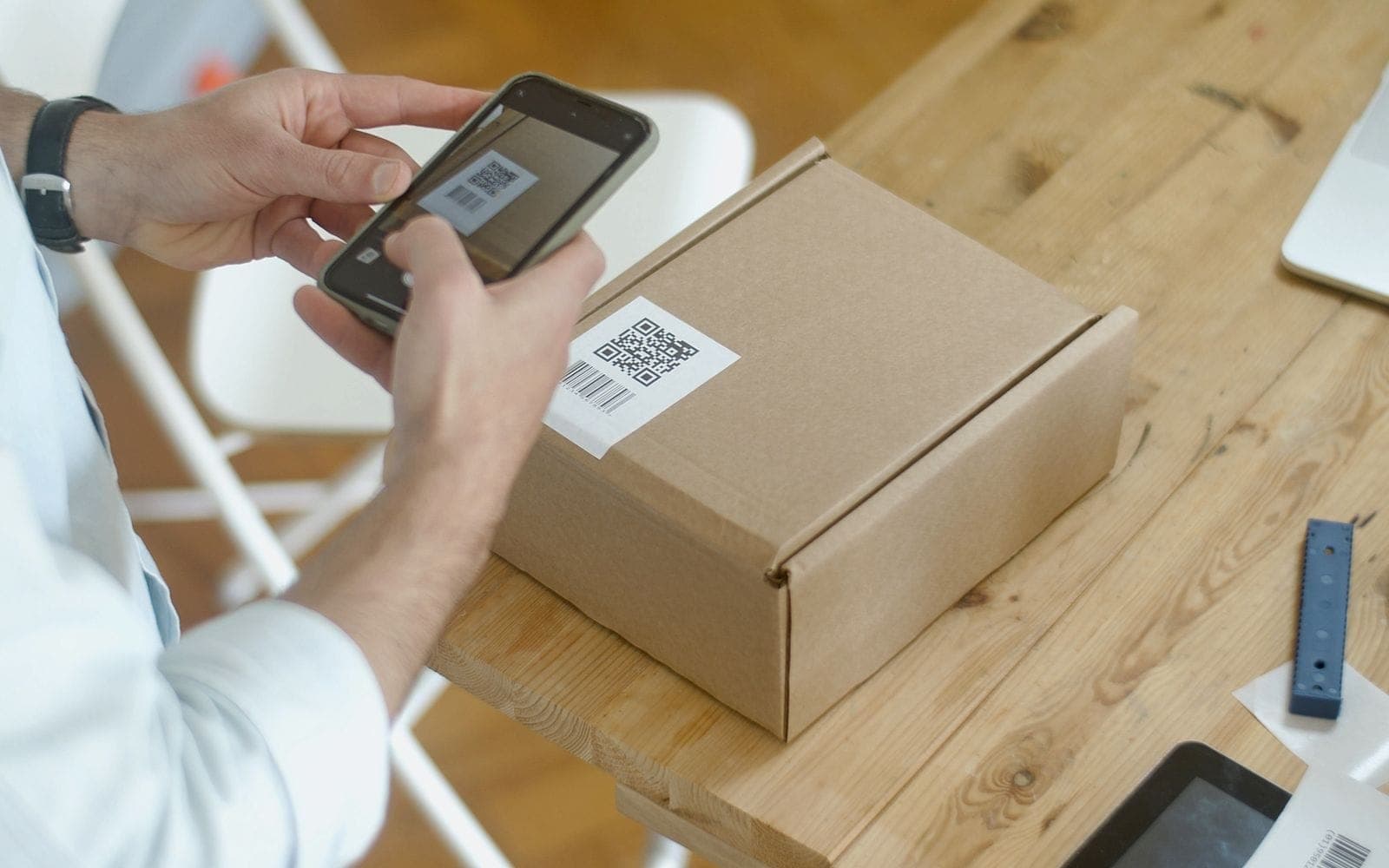
No need to invest in expensive software right away. One method used by many household groups: keep records in the field using paper books or pre-printed forms, then re-enter each week into a shared spreadsheet according to a uniform format. The spreadsheet allows you to quickly add up output by plot, compare incoming and outgoing supplies, and detect missing lines. When scale is larger or when buyers require traceability stamps, it is possible to switch to specialized software that supports QR codes, but data quality still depends on the discipline of field recording — the software does not generate correct data on its own.
How long to keep?
Organic standards typically require records to be kept for a minimum of 5 years; Some markets and some types of documents require longer. You should save both the original paper copy and the digitized version, in two different places, so as not to lose everything if your computer breaks down or the book is lost.
Reference
- National information portal for traceability of products and goods.
- TCVN 12850:2019 — Traceability — General requirements for traceability systems.
- Decree 109/2018/ND-CP on Organic Agriculture(regulations on traceability of organic products).
- National Center for Codes and Barcodes— the operator of the National Traceability Portal.