In many high-income markets, organic food has moved from a niche to a stable part of the food industry. According to the annual report "The World of Organic Agriculture" published by the Organic Agriculture Research Institute (FiBL) and IFOAM - Organics International in early 2025, the global organic farming area reached about 98.9 million hectares (2023 data), managed by about 4.3 million producers, and organic food retail revenue exceeded 136 billion euros. Behind that number are a number of structural drivers that are worth understanding for manufacturers and exporters when planning for the long term.
Health concerns
Some consumers choose organic food because they want to reduce exposure to synthetic pesticide residues, especially when buying food for children. This interest is more durable than diet trends because it is linked to households' repeat purchasing decisions: once they switch to buying organic vegetables, milk or baby food, buyers often maintain that habit for many years.
Care about the environment and climate
Many buyers associate organic farming with healthier soils, greater biodiversity and less water pollution. Public policy in some regions also pushes in this direction: The European Union, in its "Farm to Fork" Strategy, aims to bring the proportion of organic agricultural land to 25% by 2030. When policy goals and consumer concerns are in the same direction, the set of environmental drivers tends to expand, not shrink.
Transparency and trust
Organic certification, with third-party audits, provides a level of assurance that self-declared claims do not. In a context where consumers are increasingly skeptical of advertising and "greenwashing", a label that is independently verified and has a legal framework behind it — like the EU leaf logo or the USDA Organic seal — has its own value.
Expanded distribution channels
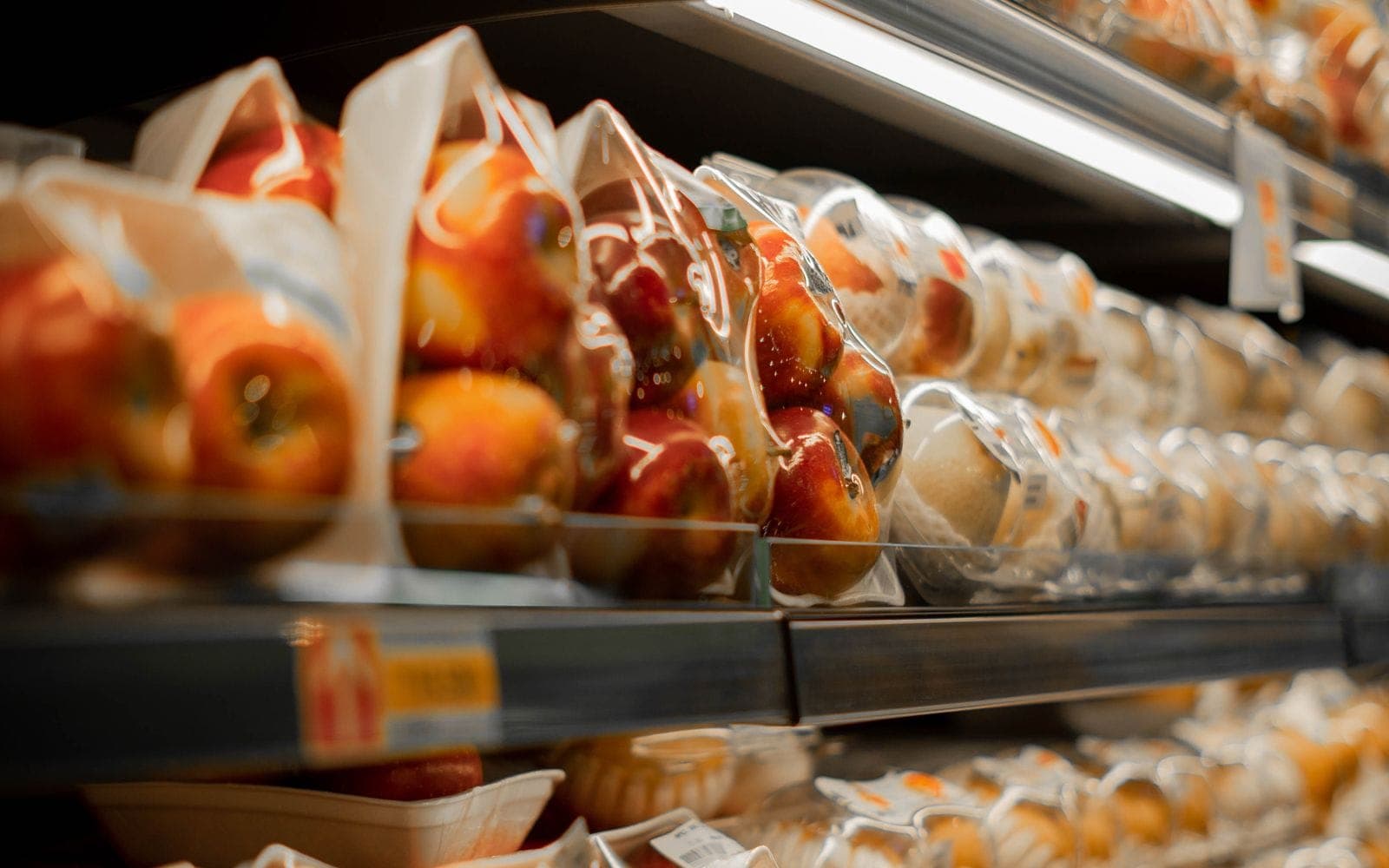
When large retail chains introduce organic products into their regular catalogs instead of keeping them in specialized corners, the barrier to access for general consumers is reduced. The price difference between organic and conventional in many product groups also gradually narrows as output increases. This is why the market is growing in breadth, not just limited to specialized organic food stores.
Developments are not always straight
It should be noted: organic demand is sensitive to the economic cycle. During periods of inflation and weak purchasing power, several major markets saw organic revenues stagnate or decline slightly before recovering. This does not negate the long-term trend, but reminds suppliers that they need to be prepared for years of flat demand.
Pictures by region
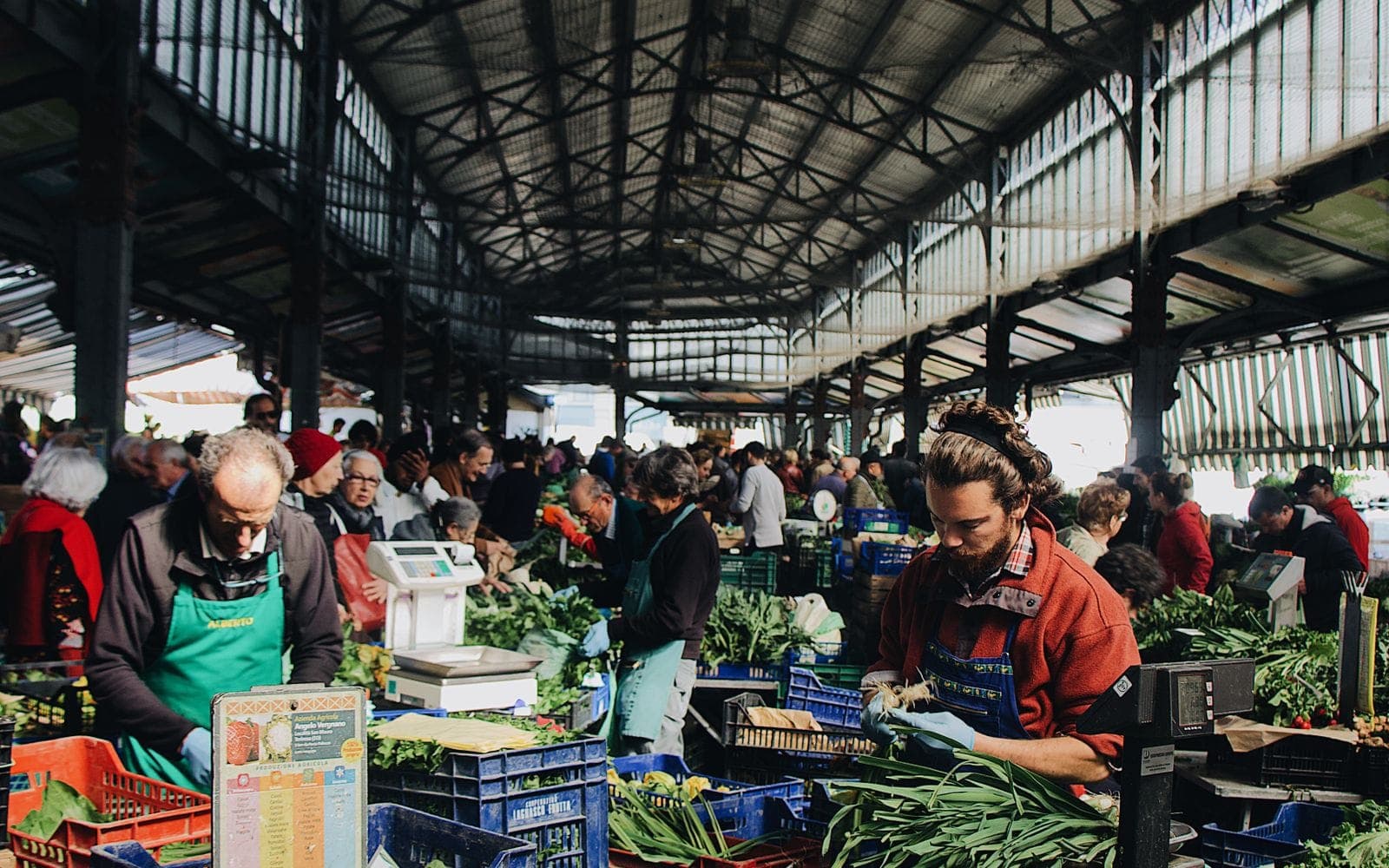
According to data compiled in the FiBL–IFOAM report, the consumer market is mainly concentrated in North America and Europe - these two regions account for the majority of global organic food retail revenue. The United States is the largest single market by value; Germany and France are the two largest markets in Europe. In terms of per capita spending on organic products, the leading countries are usually Switzerland, Denmark and some Nordic countries. Asia has a fast growth rate but a low starting point; This is both an emerging consumer market and a production area - in which India, China and some Southeast Asian countries, including Vietnam, are among the continent's largest organic farming areas.
Which product groups have room for Vietnamese suppliers?
- Coffee, pepper, cashew, organic spices:Vietnam already has a great position in its conventional form; The organic segment is still small and prices are good.
- Tropical fruits and products processed from fruits(dried, frozen, concentrated juice): stable demand in EU, Japan, Korea.
- Organic rice:has its own TCVN (TCVN 11041-5:2018) and niche markets in many countries.
- Raw materials for the organic food and cosmetics industry(coconut, cinnamon, anise, essential oils): industrial buyers often sign long-term contracts.
Common point: these Vietnamese groups have climate advantages and farming experience, and buyers are willing to pay more for a stable supply, with clear certification and traceability.
Meaning for suppliers
The above dynamics show that demand is fundamental, but also selective: buyers are willing to pay more in exchange for guarantees, so they demand consistent quality across batches and seasons, transparent certification and traceability records, and a supply large and consistent enough for them to plan. Meeting those three requirements is much more important than following every temporary consumer trend. For Vietnam, the Organic Agriculture Development Project for the period 2020–2030 (Decision 885/QD-TTg) determines the orientation of linking organic production with both domestic consumption and export, considering this a direction with high added value.