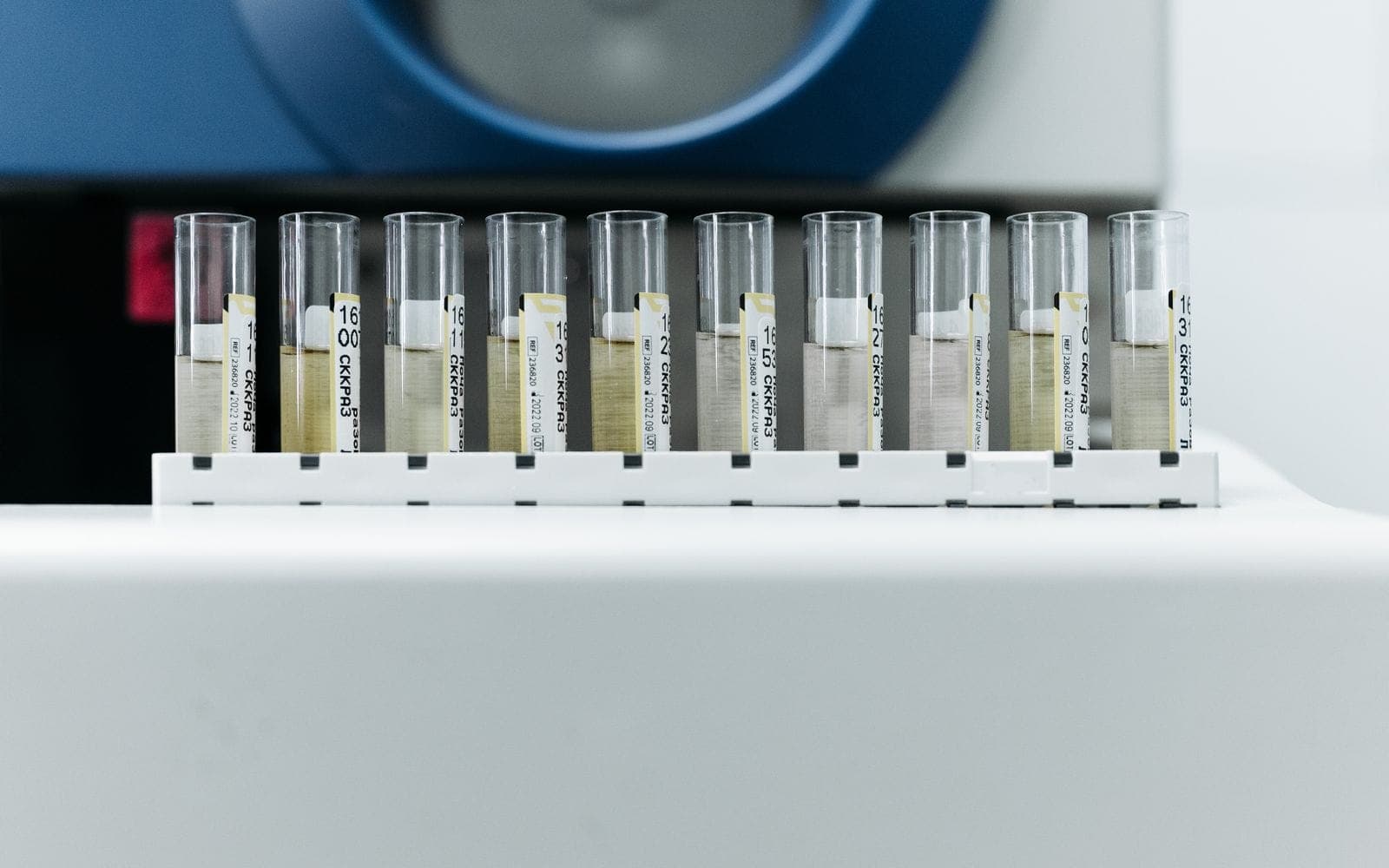
Organic certification is based on the production process, not on the results of a single test. However, residue testing remains an important tool: it helps to detect cross-contamination early, meets the requirements of buyers and some markets, and protects the reputation of the whole chain.
Why does a "residue" result not automatically mean fraud?
A sample of organic products can detect traces of banned substances for many unintended reasons: drug drift from neighboring fields, long-term residues in the soil from previous cultivation, or contamination during post-harvest. When detected, the standard procedure is to investigate the source, evaluate whether the manufacturer has applied enough preventative measures, and then draw a conclusion.
Develop a sampling plan
- Based on risk:Prioritize sampling in plots bordering conventional fields, crops with a history of problems, and the first plots after conversion.
- Right time:Sampling close to harvest time gives results close to the exported goods.
- Correct specifications:Collect representative samples, preserve them and send them to the laboratory according to instructions to avoid bias.
- Suitable laboratory:Choose a recognized unit with detection methods sensitive enough to the groups of substances of concern.
Store and use results
Test results are kept with the shipment records and can be provided to the purchaser upon request. A string of clean results over multiple cases is additional evidence that the cross-contamination control system is operating effectively.
Testing is part of it, not everything
Overinvesting in testing while neglecting preventative measures in the field is a common mistake. Testing indicates there is a problem, but only a good cultivation and segregation system will prevent the problem from occurring.