Organic certification evaluates not only what producers actively do, but also what may happen unintentionally. Cross-contamination from outside sources — pesticide drift, contaminated irrigation water, shared equipment — is one of the risks most closely considered in any audit, and is also a common reason why a batch of produce is excluded from organic status despite perfectly correct farming practices.
Common sources of cross-contamination
- Evaporation and drift of drugs:from fields adjacent to normal cultivation when spraying in windy conditions, especially when spraying with high pressure equipment or by aerial equipment.
- Irrigation water:Surface water flows through areas where chemicals, domestic or industrial wastewater are used before reaching organic fields.
- Shared equipment:soil tillers, sprayers, and uncleaned transport vehicles between organic and non-organic areas.
- Warehouse and packaging:Residues from old materials in warehouses, reused packaging that once contained fertilizers or chemicals.
- After harvest:Preliminary processing, preservation, and transportation with conventional products; cold storage treated with anti-fungal substances that are not allowed.
- Residual land:Persistent chemical residues from the previous farming history of the land itself.
Buffer zone: how wide is enough?
A buffer zone is a strip of land or barrier that separates an organic area from an external source of risk. The general principle of the standards: products harvested in the buffer zone cannot be sold as organic, and the width of the buffer zone must be commensurate with the actual risk level, not a fixed number for all cases.
| Borderline situation | Risk level | Commonly used measures |
|---|---|---|
| Bordering other organic fields or abandoned land | Short | No need for buffer zones or just clear boundaries |
| Bordering fields is often hand-sprayed for low trees | Medium | Strip of bare land or fence of trees; Do not collect organic matter at the edge of the field |
| Fields are often sprayed with high pressure machines/air sprayers | High | Multi-storey high fences, larger distances, agree on spraying schedule with neighboring households |
| Adjacent to major roads and industrial parks | High | Dust barriers, additional assessment of heavy metals in soil/products |
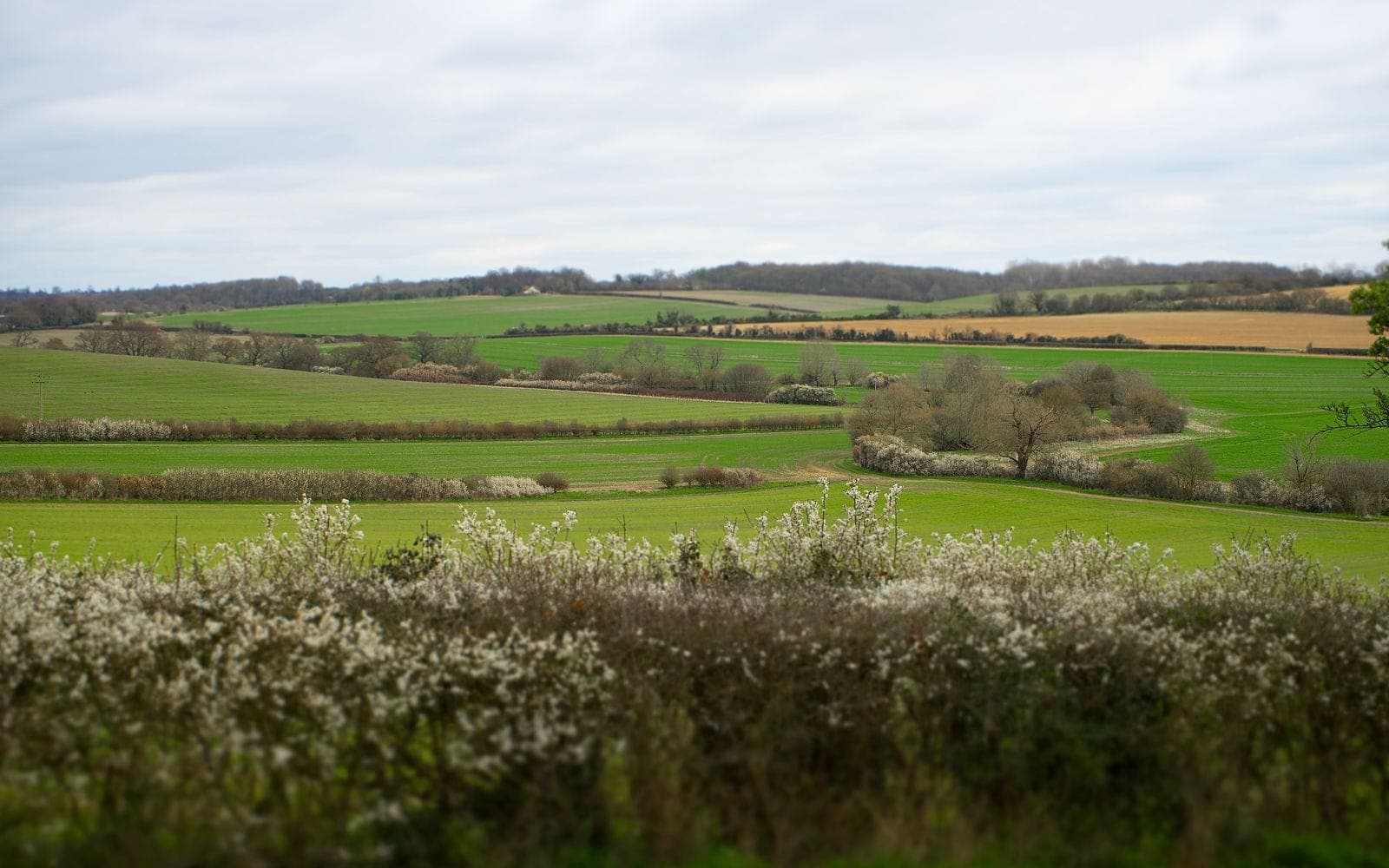
Multi-storey tall tree fences both prevent drug drift and create habitat for natural enemies - a "two-in-one" measure that many longtime organic farms invest in from the beginning.
Buffer zone with rice fields and canals
In the Mekong Delta and other rice farming regions, the biggest risk is often not drift in the air but water: shared irrigation canals pass through many conventionally farmed fields before reaching the organic fields. Common measures include: arranging organic fields at the head of the water source; build embankments and have separate regulating culverts; Use settling ponds before taking water into the fields; and periodically test irrigation water, especially after heavy spraying in the whole region. When it is not possible to separate the water source, some groups of households switch to certification by concentrated area, mobilizing the whole field to cultivate organically to eliminate internal sources of contamination.
Infected from the history of the land
Some active plant protection ingredients, especially the organochlorine group, which has been banned for a long time, can remain in the soil for decades. If the land plot has been under intensive cultivation or is near an old medicine warehouse or treatment area, the soil should be analyzed to find residues from groups that are difficult to decompose before registering for certification. Early detection helps avoid situations where the entire conversion phase has been invested and then eliminated because the background residue exceeds the threshold.
For example a boundary risk assessment
| Location | Source of risk | Level | Measure | Person in charge |
|---|---|---|---|---|
| Plot A, next to the North | Corn fields sprayed with herbicides and machine spraying | High | Acacia row 3 m + no organic collection 2 edge beds; exchange spraying schedules | Production team leader |
| Plot A, next to the East | Dirt and dusty road | Short | Low rows of trees block dust | — |
| Water source | The common canal passes through 4 ordinary fields | Medium | Sedimentation pond + water testing 2 times/crop | In charge of engineering |
| Materials warehouse | Put it together with the chemical fertilizer of the regular area | High | Private storage compartment, private lock, signage | Storekeeper |
This version is short but sufficient: each line is a specific risk, a specific measure, a responsible person. Updated every time there are changes in neighboring fields or on the farm.
Develop a risk assessment
The farm should prepare a written analysis: list each plot boundary and each at-risk step (irrigation, shared equipment, shared storage), identify the level of risk, and clearly state the corresponding preventive measures with the person responsible. This is the document the auditor will ask to see. Direct discussion with neighboring farming households about spraying schedules and wind directions is an effective and almost inexpensive measure.
When infection is suspected
If signs of contamination are detected - a chemical smell after spraying in a neighboring field, plants have unusual symptoms, test results show residue - it is necessary to: (1) immediately isolate the products of the relevant plot, do not sell them as organic; (2) notify the certification organization within the time limit specified in the contract; (3) take test samples to determine the scope; (4) record the entire incident and handling measures. Proactively reporting and transparently handling an incident often only leads to rejection of a shipment; Concealment and subsequent discovery can lead to suspension or revocation of certification for the entire farm.
Reference
- Decree 109/2018/ND-CP on Organic Agriculture.
- TCVN 11041 system on organic agriculture(TCVN 11041-1:2017 and 11041-2:2017 regulate buffer zones and cross-contamination control).
- USDA National Organic Program— guidance on buffer zones and preventing cross-contamination.