
Applying Japanese Organic Chicken Manure for Post-Harvest Durian: Timing, Method, and Key Notes
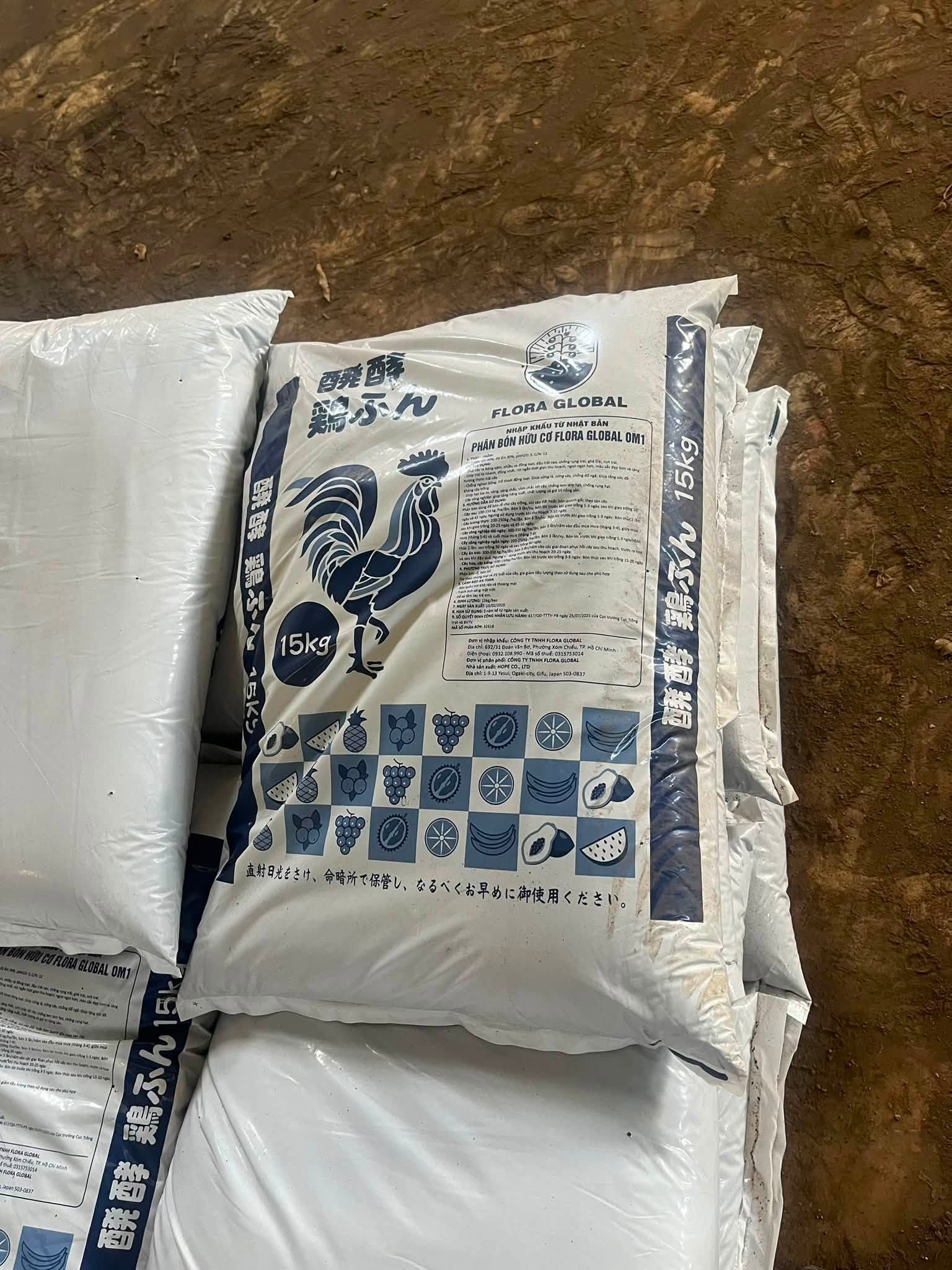
For durian, organic chicken manure should be applied after harvesting all fruit, pruning branches, and clearing the orchard—when the tree begins to recover and before new leaf flushes emerge. The goal is to rebuild fine feeder roots and loosen compacted topsoil. Regarding application rates, follow the instructions on the packaging of Japanese organic chicken manure or advice from an agronomist, as conditions vary by orchard.
Why Do Durian Trees Need Soil Replenishment Immediately After Harvest?
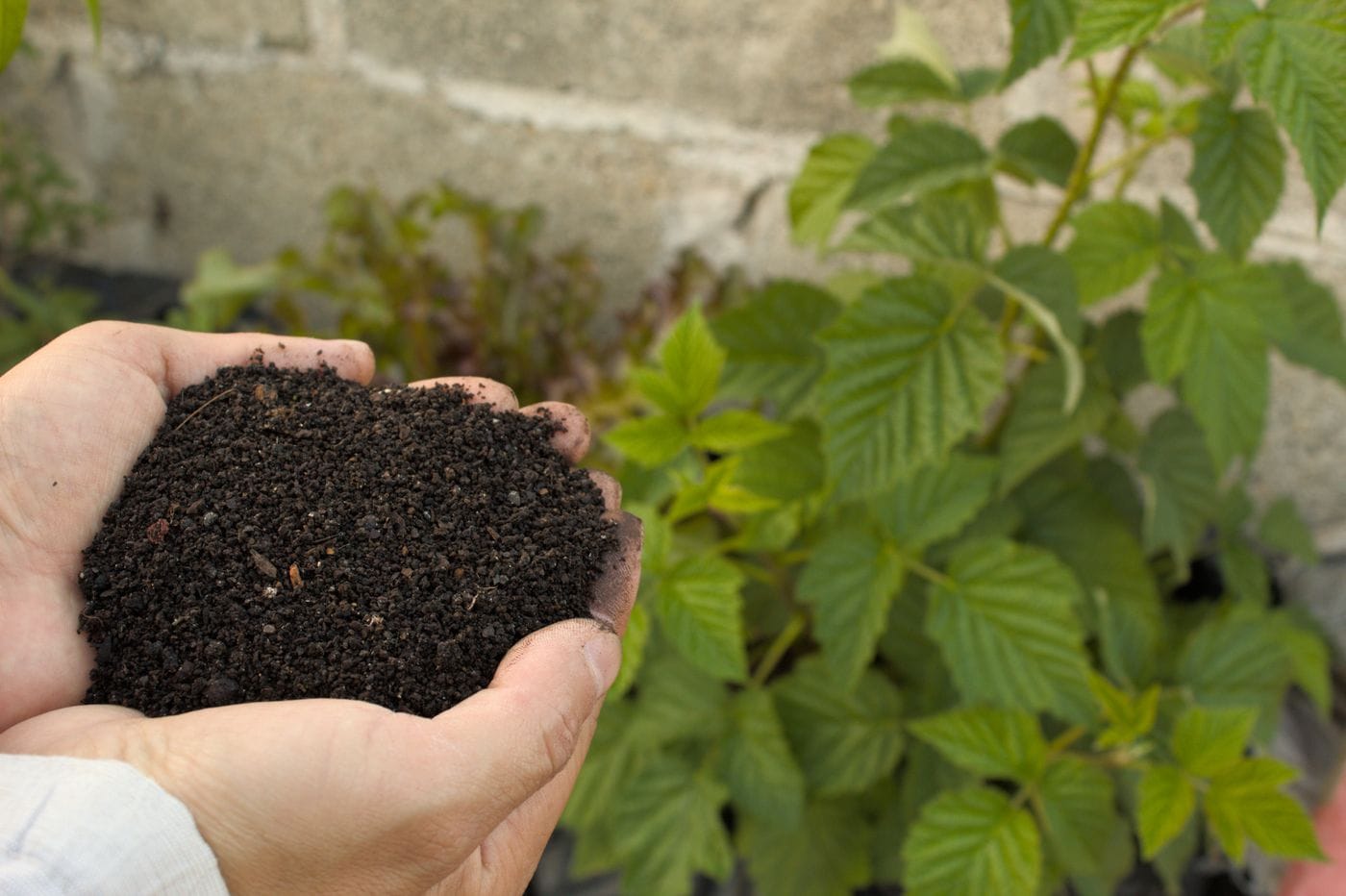
After fruit production, the tree has spent significant energy. Fine feeder roots near the surface are most affected by irrigation, foot and vehicle traffic, and field labor throughout the season. In long-term intensive orchards, soil under the canopy often becomes compacted, pooling water during rain and cracking under heat.
Organic chicken manure adds organic matter to this topsoil layer. Organic matter feeds soil microorganisms, making the soil more friable and allowing roots to spread outward again. This is a gradual soil improvement method, not a growth stimulant; soil requires time to rebuild its structure. This principle is further detailed in our article on soil health as a foundation.
When Should Manure Be Applied After Harvest?
Apply after completing orchard cleanup, following the order below. Following the correct sequence prevents manure from being buried under diseased pruning debris.
- Pruning and canopy shaping: cut diseased branches, shaded inner shoots, and overcrowded limbs to improve ventilation.
- Orchard cleanup: collect fallen fruit and diseased plant material and remove them from the orchard; do not leave them to rot under the canopy.
- Disease treatment if necessary: use only biological or input products permitted under organic farming standards.
- Chicken manure application: apply when the soil is adequately moist and the tree is recovering, before new flushes grow vigorously.
The exact timing between harvest and application varies by region, cultivar, and tree condition. Monitor the trees rather than following a rigid schedule. If heavy rains have just occurred, wait until the soil drains before applying.
How to Apply Organic Chicken Manure Around the Durian Canopy

Durian feeder roots are concentrated beneath the drip line of the canopy; this is where fertilizer should be applied, not near the trunk. Applying near the trunk wastes fertilizer and increases the risk of root collar rot.
- Lightly loosen topsoil along the canopy drip line. Shallow tillage only, to avoid damaging major roots.
- Broadcast fertilizer evenly in a ring following the canopy outline, adhering to package instructions or agronomist recommendations.
- Cover the manure with a thin layer of soil, dry leaves, or straw to reduce moisture loss and nutrient volatility caused by sunlight. Covering methods are detailed in our article on rice straw mulching.
- Irrigate moderately after application. Durians are sensitive to waterlogging, so avoid standing water around the root zone.
Application Rates: How Should You Decide?
Flora Global does not specify a single standard kg-per-tree rate for all orchards. The optimal application rate depends on tree age, canopy diameter, soil type, root health, and previous seasonal fertilization. Sandy soils and clay soils respond differently to the same application rate.
A safe approach is to read the package instructions carefully and consult with an agronomist or local agricultural extension officer. Where feasible, perform soil testing before application to assess nutrient deficiencies or excesses. Splitting applications is preferable to applying a single excessive dose.
What Compliance Items Must Be Checked for Organic Durian Orchards?

If the orchard is pursuing organic certification, fertilizers must comply with the TCVN 11041 standard series, specifically Part 2 (TCVN 11041-2:2017) governing organic crop production. Detailed regulations and permitted input lists should be referenced directly in standard documentation or verified with your registered certification body. Our article on organic production inputs lists key verification points prior to purchase.
The table below provides a quick checklist prior to application.
| Checklist Item | Action Required |
|---|---|
| Label and origin of manure | Retain packaging, labels, and invoices; cross-reference with your certification body |
| Soil moisture | Ensure adequate soil moisture; do not apply during drought/cracked soil or waterlogging |
| Application zone | Apply along the canopy drip line, avoiding direct contact with the trunk |
| Application rate | Follow package guidelines or agronomist advice; log actual quantities used |
| Documentation | Record application date, manure type, batch, and plot details in your farm log |
Practical Considerations for Post-Harvest Application
- Record entries on the day of application. Dates, manure type, quantity, and orchard block identifiers are routinely reviewed by organic auditors. For recording guidelines, see field logs and traceability records.
- Inspect root systems prior to application. If root rot, yellow leaves, or basal diseases are present, address the root cause and consult an agronomist first; adding fertilizer does not cure disease.
- Verify soil pH and drainage. Highly acidic or waterlogged soils impair nutrient uptake regardless of application rates. Consult an agronomist regarding target pH levels for your specific soil.
- Segregate non-organic inputs and storage. Orchards in transition must prevent cross-contamination with non-compliant inputs.
- Do not expect instant results within days. Soil and root systems recover seasonally, with benefits showing over subsequent crop cycles.
Organic chicken manure is only one component of a post-harvest nutrition program; packaging details and documentation must be verified prior to application. If you require assistance developing an organic input strategy or preparing certification documentation for your durian orchard, contact Flora Global via our contact page for guidance.


