
Pest management in organic farming without synthetic chemicals
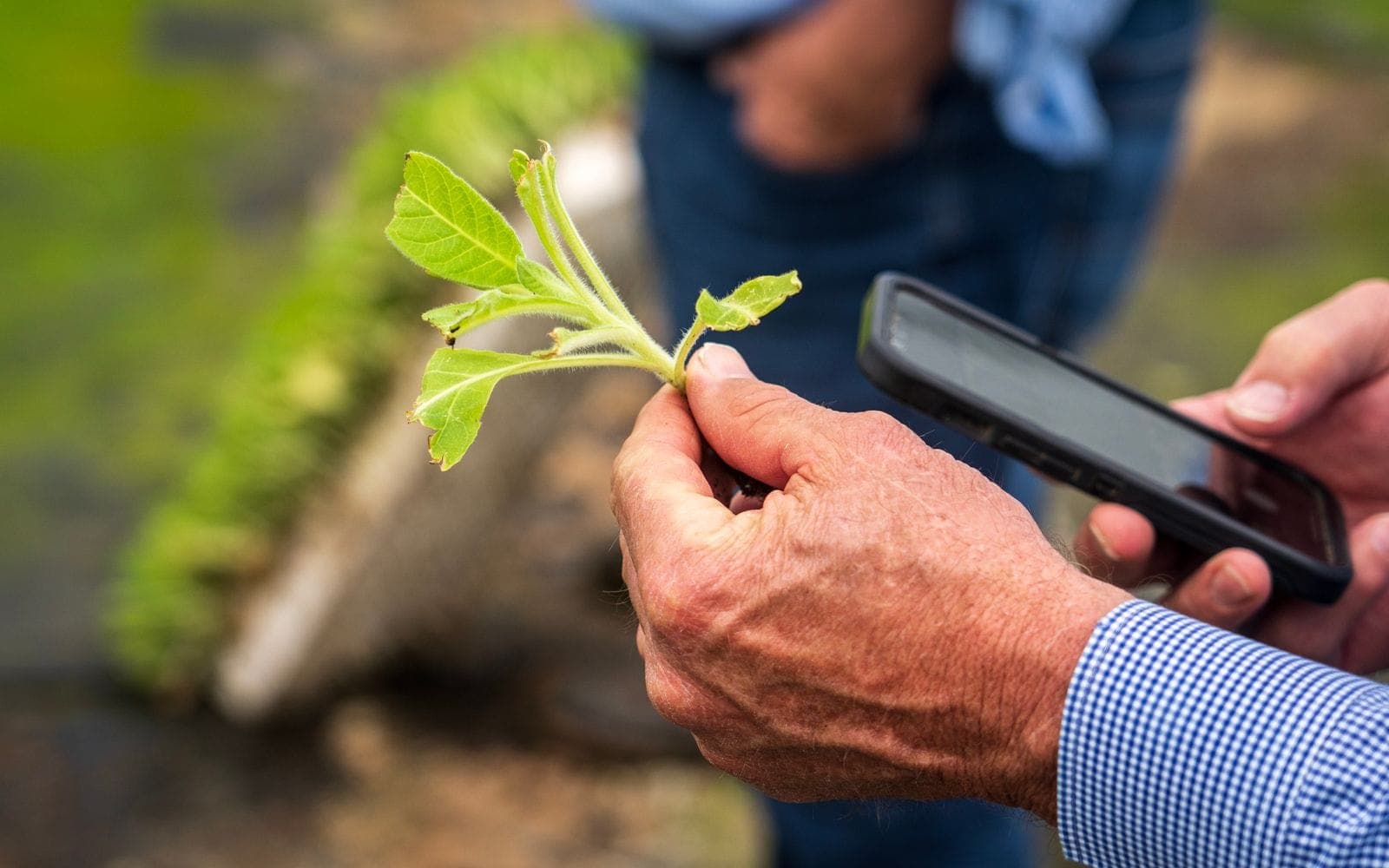
A common misconception is that organic farming means accepting pest damage. In reality, organic systems rely on a multi-layered prevention strategy in which spraying any product is the last resort, used only when the earlier layers are not enough. The approach is not new to Vietnamese farmers: the national Integrated Pest Management (IPM) programme, rolled out from the early 1990s together with farmer field schools, laid the groundwork for many practices that organic farming now builds on.
Organic standards also set a clear order of priority. The US organic programme (7 CFR 205.206), for example, requires cultural, biological and mechanical methods first; only when these are insufficient may substances on the permitted list be used, and the conditions for their use must be described in the organic system plan.
Layer one: prevention through system design
Choose varieties suited to local conditions and with disease resistance, time planting to avoid the peaks of major pests, rotate crops to break pest and disease cycles in the soil, and keep sensible plant spacing so canopies stay open. Most serious pest problems can be reduced right at the crop-planning stage.
- Rice: sow in synchrony following the "planthopper avoidance" calendar recommended by local agricultural authorities, avoid dense sowing and avoid excess nitrogen — dark green, dense rice is an ideal environment for brown planthopper and blast.
- Fruit trees: prune after harvest to open the canopy, collect fallen fruit (where fruit flies and fruit borers pupate) and keep drainage good to limit root rot.
- Vegetables: use disease-free seedlings, rotate between plant families and use raised beds in the rainy season.
Layer two: encourage natural enemies
Ladybirds, parasitic wasps, spiders, predatory bugs, birds and many other species control pests naturally if their habitat is maintained. Planting flower strips along field margins, keeping hedgerows, limiting soil disturbance and avoiding broad-spectrum products that also kill natural enemies all help sustain this biological control force.
Ecological engineering in rice
In the Mekong Delta, "ecological engineering" — growing flowers such as cosmos, okra and sesame on rice bunds — was trialled in Tien Giang from the late 2000s with technical support from the International Rice Research Institute (IRRI) and later scaled up to many provinces. The flowers provide nectar and pollen for parasitic wasps, helping them live longer and parasitise more pest eggs, allowing farmers to cut the number of sprays.
Weaver ants in citrus
Keeping weaver ants in orange, mandarin and pomelo orchards is a long-standing traditional practice among Mekong Delta farmers, documented by numerous studies. The ants patrol the canopy and hunt many caterpillars and stink bugs. Growers often string ropes between trees so the ants can move around and provide extra food in lean seasons. Note that weaver ants may "farm" mealybugs and soft scales for honeydew, so scale populations in the orchard need to be watched.
Layer three: monitoring and action thresholds
Organic growers walk their fields frequently, set monitoring traps and record pest densities. They intervene only when densities exceed the level likely to cause economic damage. Calendar spraying that is not based on observation is not consistent with organic principles.
- Light traps: monitor adult brown planthoppers and leaf folders to forecast hatching peaks. Light-trap networks run by local plant protection services issue regular bulletins — a free source of information worth using.
- Yellow sticky traps: monitor aphids, whiteflies and thrips on vegetables and fruit trees.
- Lure traps: pheromone traps for diamondback moth and armyworm; attractant traps for fruit flies on mango, guava and dragon fruit.
- Fixed-point field checks: inspect a set number of plants or leaves at fixed points each week so data can be compared over time.
Layer four: permitted direct measures
- Hand-picking, sticky traps, pheromone traps, insect netting in net houses.
- Bagging fruit such as mango, guava, pomelo and custard apple to keep out fruit flies and fruit borers.
- Augmentative releases of reared natural enemies.
- Biological products and some naturally derived active substances on the standard's permitted list, such as Bt bacteria, spinosad, neem oil (azadirachtin) and sulphur. Copper compounds are permitted with limits: in the EU, copper is capped at 28 kg/ha over 7 years.
Commonly used biological agents
| Agent | Main targets | Notes on use |
|---|---|---|
| Egg parasitoid wasps (Trichogramma) | Eggs of lepidopteran pests: stem borers, leaf folders, fruit borers | Release when pests are laying eggs, guided by light-trap data |
| Bacillus thuringiensis (Bt) | Lepidopteran larvae: diamondback moth, cotton bollworm, armyworm | Most effective on young larvae; degraded by UV light, so spray in the late afternoon |
| Green muscardine fungus (Metarhizium) | Brown planthopper, beetles, some soil-dwelling caterpillars | Spores need high humidity to germinate; acts more slowly than chemical insecticides |
| White muscardine fungus (Beauveria bassiana) | Planthoppers, aphids, stink bugs, thrips | Do not apply at the same time as fungicidal products |
| Antagonistic fungus Trichoderma | Root-zone diseases: root rot, quick wilt, collar rot | Usually mixed into organic fertilizer during composting or applied with well-rotted manure |
| Weaver ants, ladybirds, spiders | Caterpillars, stink bugs, aphids, planthoppers | Maintain shelter and avoid broad-spectrum products |
Check before using any product
A product advertised as "biological" is not necessarily permitted in organic production. Producers need to check two things: whether the product is on Vietnam's list of plant protection products permitted for use, and whether its active ingredient and co-formulants are on the permitted list of the organic standard being applied. The best practice is to send the label and composition sheet to the certification body for confirmation before buying. Every pest-control input must be entered in the field diary: product name, batch, rate, date, plot and reason for use.
Accepting some damage
Organic systems do not aim to wipe out pests but to keep them below damaging levels. A small pest population is even necessary to keep natural enemies fed. Shifting the mindset from "eradicate" to "balance" is the most important step in getting used to organic farming.
References
- 7 CFR Part 205 — National Organic Program (USDA), section 205.206 on crop pest, weed and disease management.
- Regulation (EU) 2018/848 on organic production and labelling.
- SARE — Manage Insects on Your Farm: A Guide to Ecological Strategies.
- Department of Crop Production and Plant Protection (Vietnam) — list of permitted plant protection products, pest bulletins.
- Decree 109/2018/ND-CP on Organic Agriculture.


