
Preventing Moisture and Mold in Dry Agricultural Cargo During Ocean Freight
One of the most frustrating complaints for exporters of dry agricultural products is when a customer opens a container to find moist, moldy, or discolored bags of produce—even though the goods were thoroughly inspected before leaving the warehouse. The culprit is often a phenomenon known in logistics as "container rain."
Why Does Dry Cargo Still Suffer from Moisture Damage inside Containers?
Dry agricultural products still contain a certain level of moisture and exchange humidity with the surrounding air. During long voyages, containers heat up during the day and cool down at night, or travel from warm, humid tropical regions to cooler climates. As the container walls and ceiling cool down, moisture in the internal air condenses into droplets that drip down onto the bags. Repeated over several days, the top layer and cargo adjacent to the walls become damp, creating ideal conditions for mold growth.
Factors That Increase Risk
- Product moisture content exceeding the safe limit for that specific commodity.
- Packaging, wooden pallets, or dunnage materials that are still damp.
- Older containers with holes, worn door seals, or damp wooden flooring.
- Stuffing cargo during rain or under extremely high ambient humidity.
- Long transit times, passing through multiple climate zones, or extended transshipment delays.

Effective Methods to Prevent Moisture and Mold
- Control product moisture content: Measure moisture levels prior to stuffing, ensuring they meet the contracted limits and the safe threshold for the specific commodity.
- Inspect the container: Select dry, clean containers free of foreign odors; inspect for light leaks by closing the doors from the inside and looking for entering daylight.
- Line the container: Use kraft paper or corrugated cardboard to line the walls and floor and cover the top of the cargo to absorb moisture and prevent droplets from falling directly onto the goods.
- Use desiccant bags: Hang specialized desiccant bags along the container walls according to the manufacturer's recommendations.
- Use dry pallets and dunnage: Utilize heat-treated, dry pallets that comply with phytosanitary standards.
- Stuff cargo under dry conditions: Avoid loading outdoors in the rain; seal the container immediately upon completing loading.
- Consider specialized solutions: For certain commodities like green coffee beans, consider ventilated containers or container liner bags.
What Additional Considerations Apply to Organic Cargo?
- Containers must be clean and free of chemical residues or odors from previous shipments; retain container cleaning inspection records.
- Do not use unauthorized chemical fumigants for pest treatment in warehouses or containers.
- Lining materials and desiccant bags must not come into direct contact with or contaminate the product.
- Organic goods must not be co-loaded in the same container with conventional products unless clearly segregated.
Preventing moisture and mold damage is a series of small steps executed correctly from the warehouse to the port. Documenting moisture readings, container conditions, and photos during stuffing also serves as crucial evidence should disputes arise.
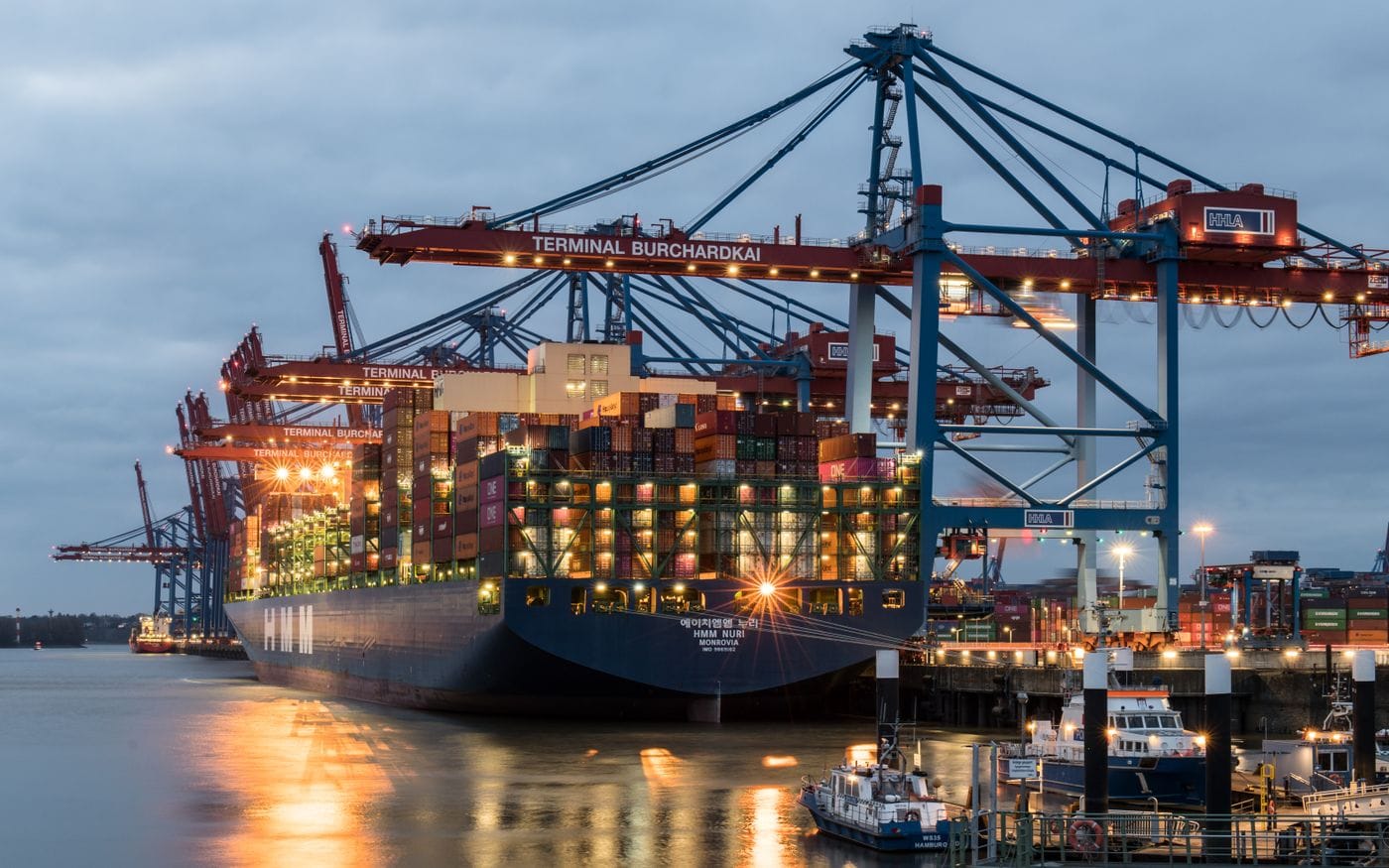
Cover image: Lemonblind / Wikimedia Commons (CC BY-SA 4.0).


