
Drying and post-harvest processing: increasing the value of organic agricultural products

During the main season, fresh fruit prices often drop sharply because of the rush of supply. Post-harvest processing is a way to help agricultural products escape the "poor season" situation: dried products, flour, and jam can be preserved for a long time, transported long distances at low cost and sold all year round.
Why should we process it instead of just selling it fresh?
- Extend shelf life:Reduce damage, reduce pressure to sell urgently when in season.
- Reduce shipping costs:The dry product is much lighter, no cold chain required.
- Market expansion:Easier to meet quarantine requirements than fresh fruit, can be sold via e-commerce.
- Take advantage of second-class goods:Fruit that is not beautiful can still be processed into valuable products.
Popular drying methods
| Method | Characteristic | Fit |
|---|---|---|
| Traditional sun drying | Low cost, weather dependent, difficult to control hygiene | Small scale, traditional products |
| Solar drying house | With a closed roof, the heat is higher than being exposed to the ceiling, and it's cleaner | Farmers and cooperatives |
| Hot air drying | Proactive, fast, moderate investment costs | Medium and large scale production |
| Freeze drying, heat pump drying | Low temperature, retains color and smell better | High value fruits and herbs |
| Sublimation drying | Keep structure, best color, high cost | High quality products, exported |

What should you pay attention to when processing organic products?
- Ingredient:Products that want to be labeled organic must contain mainly organic ingredients; If sugar is added, the sugar must also be organic.
- Additives:Many common bleaches, preservatives, and synthetic colors are not allowed.
- Separate:Organic product processing lines must be separated or thoroughly cleaned before each batch to avoid mixing with conventional products.
- Toilet:Detergents and disinfectants used for equipment must also be suitable and not leave residue on the product.
- Retrieve:From raw material batches to finished product batches, processing facilities must also be certified.
Fruit powder, seed powder: direction for Vietnamese agricultural products
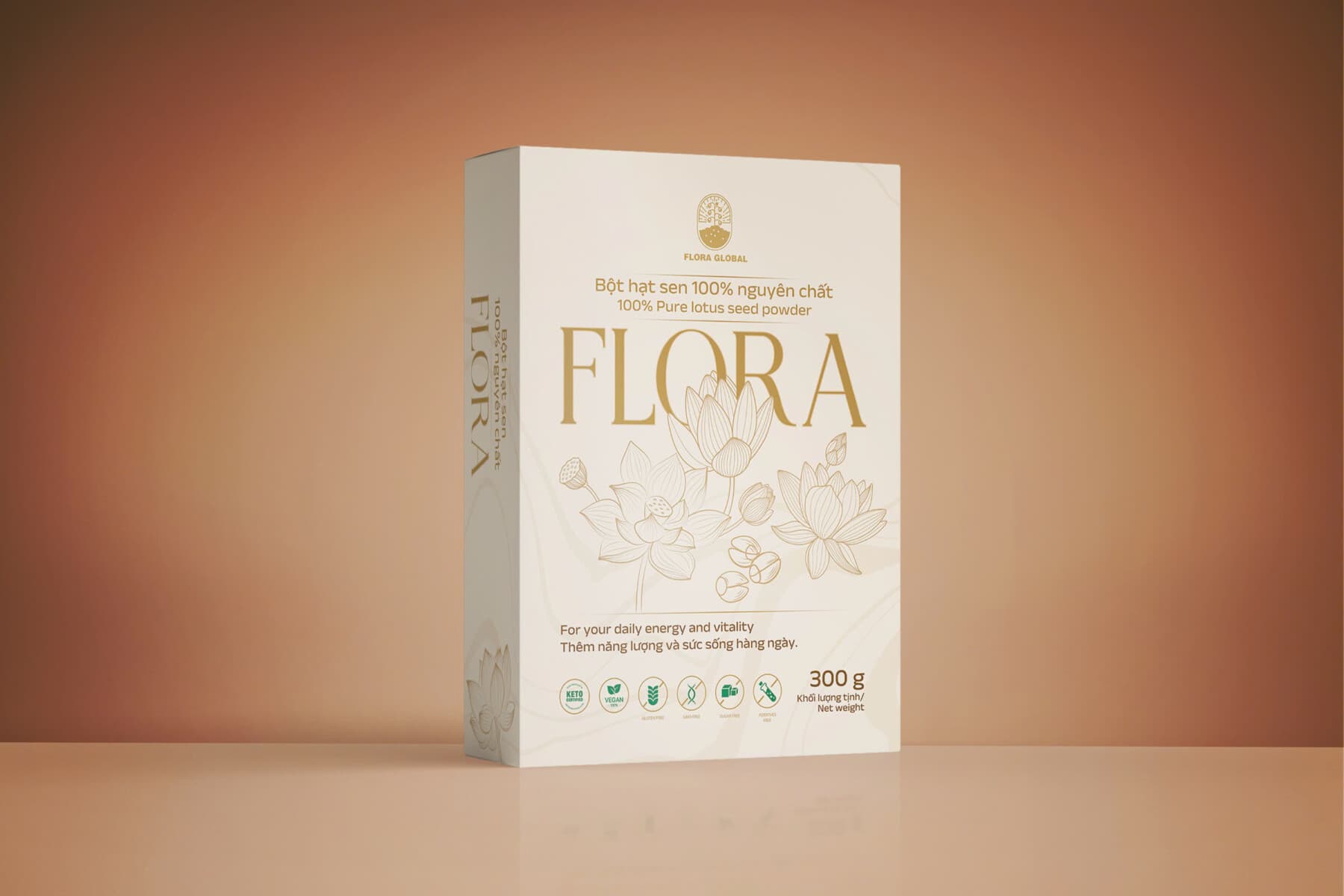
In addition to dried fruits, powdered products from agricultural products such as lotus seed powder, gac powder, and moringa powder are increasingly popular because they are convenient for use in mixing, baking, and cooking. Powder processing requires careful moisture, fineness and microbiological control, but opens up many opportunities in the food and beverage industry.
Products processed from agricultural products
Cover photo: Weetjesman / Wikimedia Commons (CC BY-SA 4.0).


