
Smart Agriculture: Drones, Sensors, and Data in the Field
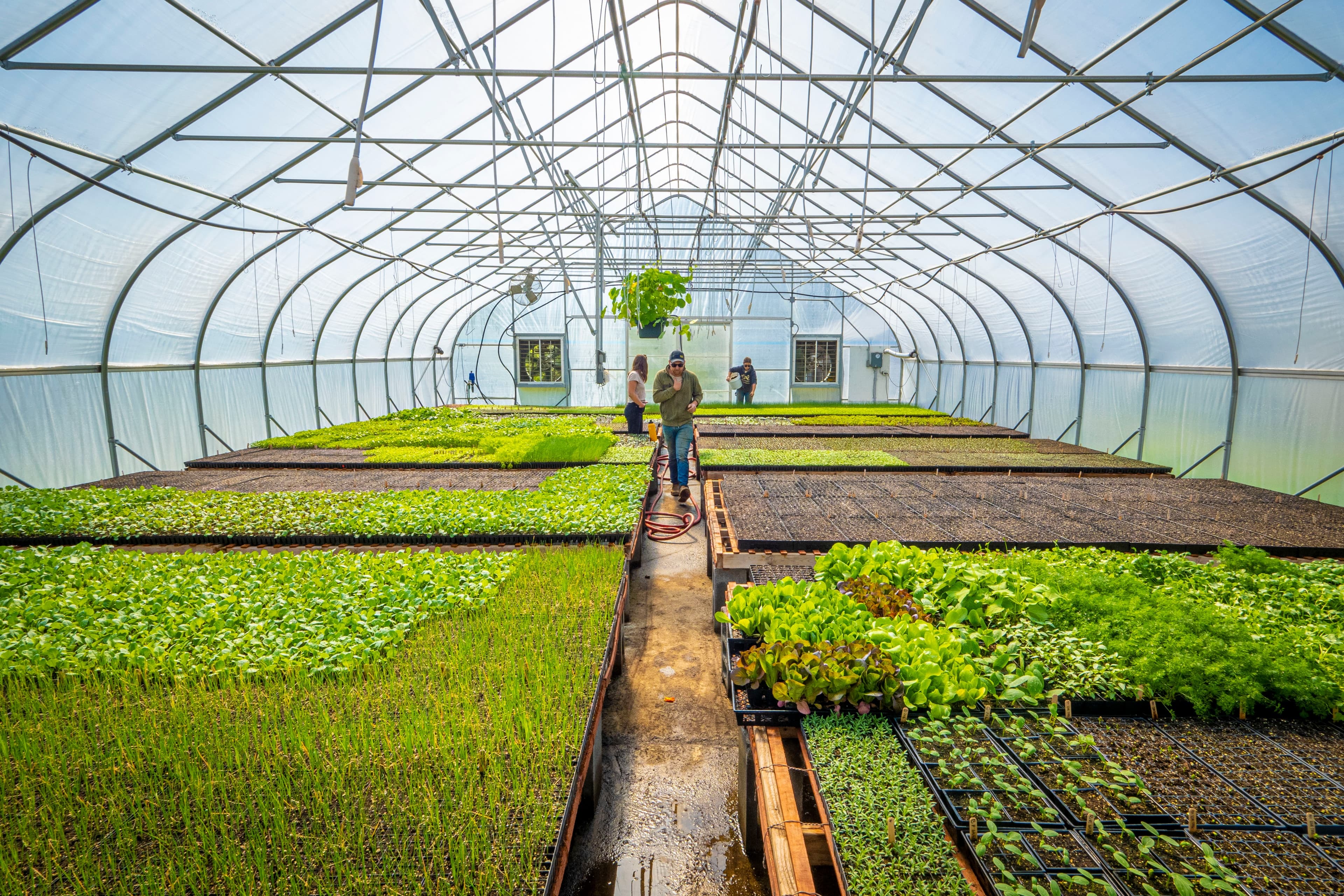
A few years ago, the sight of a drone flying over a rice paddy was still a novelty. Today, drone-based spraying and spreading services are fairly common across many major agricultural production areas. Alongside them are sensors, software, and data — tools that are reshaping how farmers manage their fields.
What is smart agriculture?
Smart agriculture involves applying digital technologies, sensors, automation, and data analytics to production to use inputs more efficiently, reduce labor, and improve quality. The focus is not on expensive machinery, but on making decisions driven by information rather than intuition.
Technologies currently in application
- Agricultural drones: spray inputs, sow seeds, and spread fertilizer across large areas; camera-mounted drones capture imagery to detect weak crop areas early.
- Soil moisture sensors: indicate when irrigation is genuinely needed, integrating with automated irrigation systems.
- Mini weather stations: measure rainfall, temperature, and humidity directly in the field, supporting pest and disease risk forecasting.
- Digital farm logs and traceability: record farming practices on mobile phones and generate QR codes for products.
- Smart insect traps: photograph and count insects automatically to monitor pest population density.


Is technology suitable for organic farming?
Entirely suitable, and even essential. Because organic farming restricts chemical "firefighting" interventions, detecting issues early and intervening at the right moment becomes even more critical. Drones can apply permitted biological inputs; sensors help conserve water; and digital farm logs ensure certification records are thorough and easily audited.
It is important to note that drone spraying carries a higher risk of drift than manual spraying. Organic farms located adjacent to conventional plots should agree with neighbors on application timing and wind conditions when chemical drone spraying is hired, as well as maintain an adequate buffer zone.
How to get started at a reasonable cost?
- Start with digital farming logs — low initial cost with immediate, clear benefits.
- Hire drone services on a per-season basis instead of purchasing equipment outright.
- Install sensors in high-value crop zones first, assess effectiveness, and then scale up.
- Invest collectively through cooperatives to share the costs of equipment and trained operators.
- Select solutions with local technical support and exportable data to avoid vendor lock-in.
Cover photo: Vis M / Wikimedia Commons (CC BY-SA 4.0).


