Superfoods from indigenous plants: opportunities for gac, moringa, and lotus seeds

Chia seeds, quinoa, blueberries... used to be strange names before becoming "super foods" on supermarket shelves around the world. Their story shows that an indigenous ingredient can reach the global market if it has the right quality, story and strategy. Vietnam also has many such candidates.
What is a “super food”?
“Superfood” is a marketing term, not a scientific or legal concept. It often refers to foods that are rich in nutrients, naturally derived and associated with a healthy lifestyle. Because there is no official definition, many markets like the EU tightly control health claims on product labels.
Indigenous ingredients have potential
- Gac:Characteristic natural orange-red color, associated with Gac sticky rice on Tet; Can be processed into gac oil, gac powder, natural coloring ingredients for food.
- Moringa:Leaves are used as vegetables, dried and ground into powder or made into tea; Easy to grow, drought-resistant plant.
- Lotus seeds:Familiar agricultural products in Vietnamese cuisine can be processed into dried lotus seeds, lotus seed powder, and lotus heart tea.
- Other types:Turmeric, ginger, lemongrass, perilla, native colored rice... can all be developed into specialty products.


Conditions to enter the high-end market
- Stable raw material area:Consistent yield and quality, traceable to the growing area.
- Certification and testing:organic, food safe; Control heavy metals, microorganisms, and residues.
- Standard processing:retain color, smell, nutrients; The factory meets the requirements of the import market.
- Comply with new food regulations:In the EU, foods that do not have a significant history of consumption there before 1997 may require approval under “novel food” regulations before being sold.
- Brand story:origin, culture, grower — what makes a product different.
Why should we not overpromise about the benefits?
The attraction of superfoods easily causes sellers to attribute "curative" and "miracle" effects to the product. This is not only dishonest but can also violate advertising and labeling regulations in both the country and the importing country, discrediting the entire industry. A more sustainable way is to speak correctly about the origin, production method, flavor and usage in daily meals.
Products from local ingredients
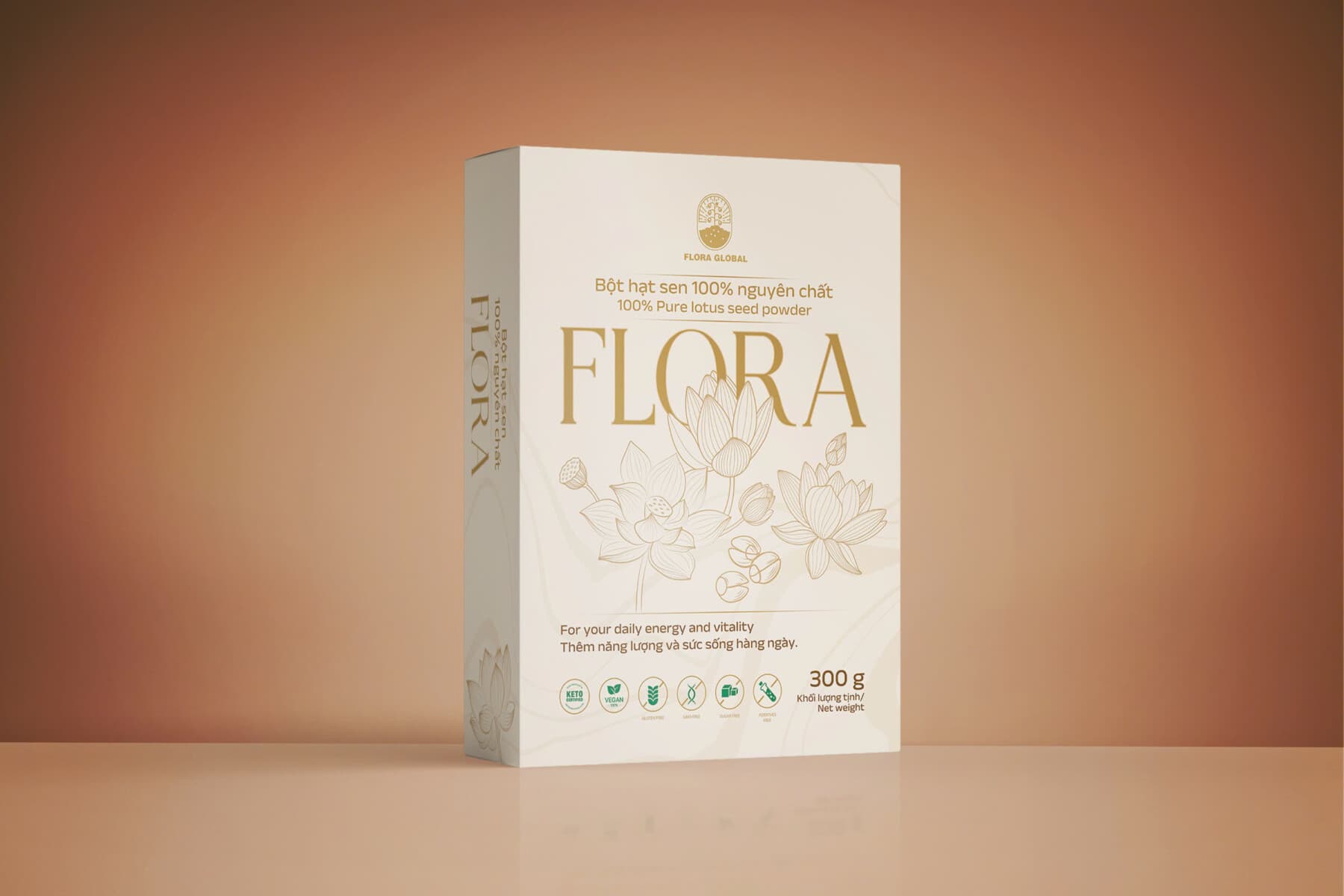
Indigenous plants are an advantage that not every country has. When combined with organic farming and modern processing, they can become products with Vietnam's mark on the world market.
Cover photo: Qoheletal / Wikimedia Commons (CC BY-SA 3.0).


