
Separate organic and conventional product lines in warehouse and transportation
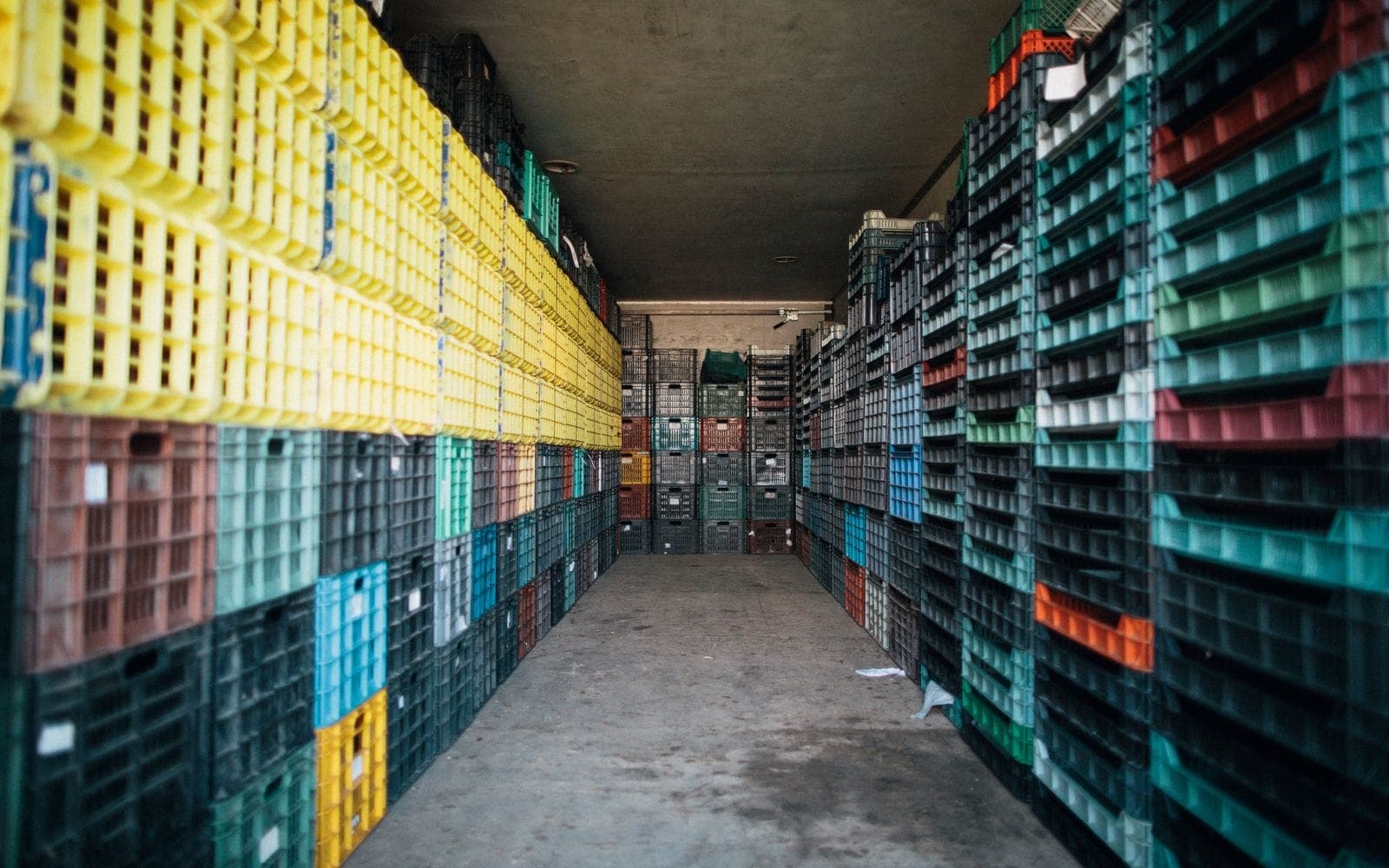
A product grown according to organic standards can still lose its organic status if mixed with conventional goods or contaminated during post-harvest handling. Therefore, processing, packaging and logistics units in the organic export chain are also within the scope of certification.
Principle of separation
Organic shipments need to be clearly identified and separated from conventional goods at every stage: receiving areas, processing lines, packaging areas, storage and transportation vehicles. When equipment is shared, a cleaning procedure is required before processing organic batches, and this procedure must be recorded.
Identification and labeling
- Each organic batch carries a unique traceability code, associated with origin records.
- Pallets and containers are labeled separately.
- Organic storage areas are marked and, where possible, segregated.
Control at transfer points
The highest risk lies at the points where goods change hands: from the farm to the processing unit, from the warehouse to the container, from the port to the buyer's warehouse. At each point, there needs to be documents confirming the volume and organic status, so that if there are any discrepancies, responsibility can be traced to which link belongs.
Post-harvest handling
Substances used for washing, surface treatment, anti-mold or post-harvest preservation must be on the list allowed by standards. Materials that come into direct contact with the product, such as wraps and box liners, should also be inspected.
The role of contract
When outsourcing warehouse and transportation services, organic integrity requirements should be included in the contract: segregation obligations, inspection rights, and liability when cross-contamination occurs. This helps clearly identify and protect the exporter.


